Introduction
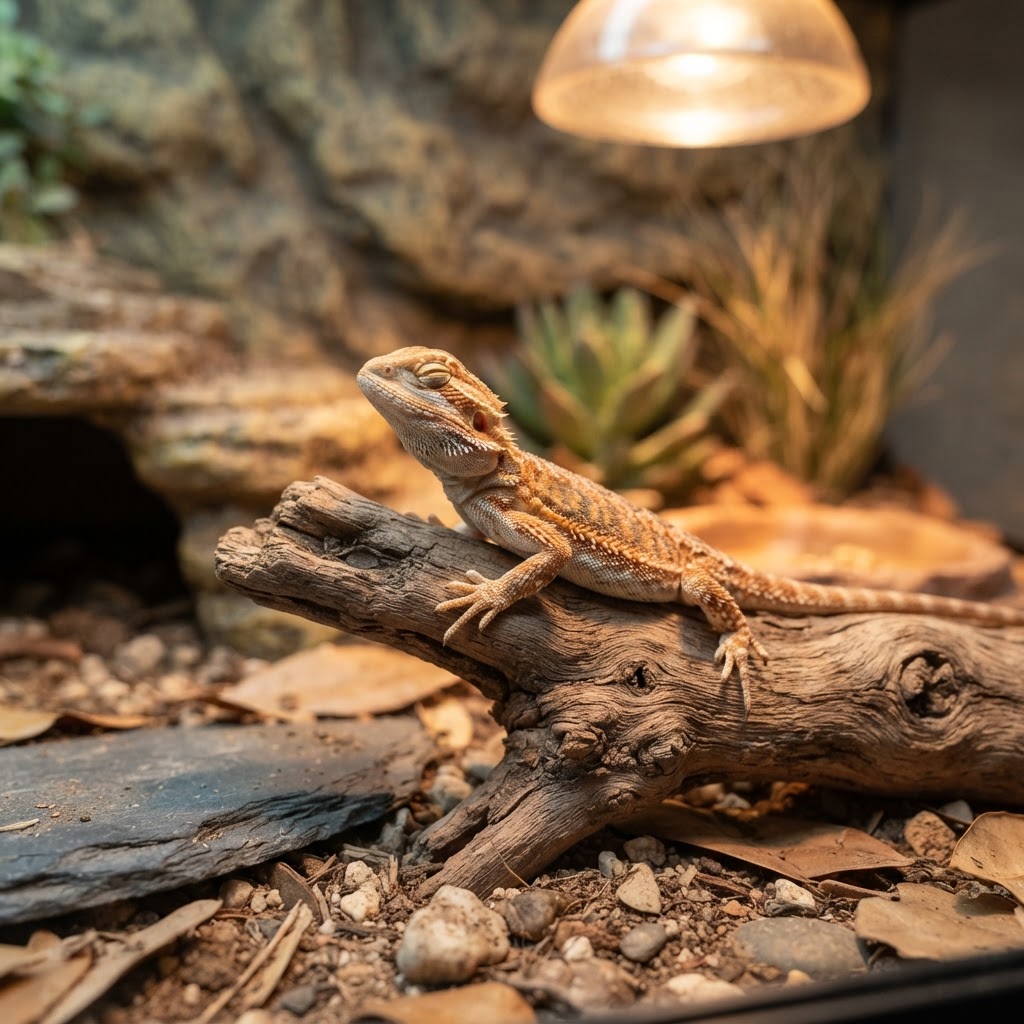
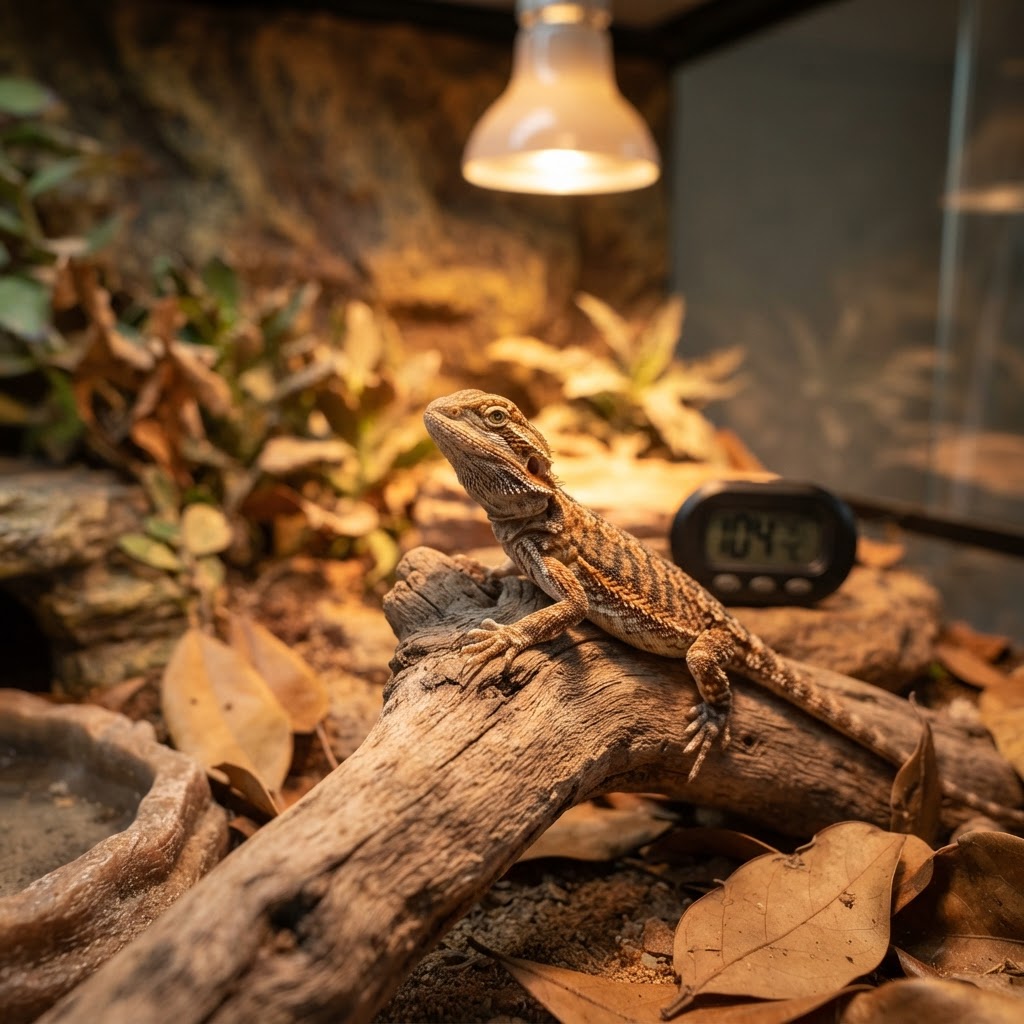
A good hide is one of the most overlooked parts of a baby bearded dragon setup. New owners often focus on the tank, heat lamp, and food first, which makes sense, but a properly chosen hide is just as important for helping a young dragon feel secure. Baby bearded dragons are small, alert, and easily stressed by bright light, movement outside the enclosure, and open spaces. A safe hiding spot gives them a place to rest, cool down, and settle into their new home.
If you are shopping for the top rated tank hides for baby bearded dragons, it helps to know that the “best” hide is not always the biggest or most decorative one. For babies from 0 to 12 months old, the ideal hide should be easy to enter, stable enough that it cannot tip, simple to sanitize, and sized so your dragon feels tucked in rather than exposed. The right choice can make a noticeable difference in appetite, confidence, and daily activity.
In this guide, I’ll walk you through what makes a hide suitable for a baby beardie, review several popular options, and show you how to place and use hides correctly in a starter enclosure. If you are still building your habitat, pair this article with our baby bearded dragon tank setup guide and baby bearded dragon lighting and UVB guide so everything works together.
Affiliate Disclosure: As an Amazon Associate I earn from qualifying purchases. BabyBeardedDragon.net is a participant in affiliate programs including Amazon Associates. We may earn a commission on qualifying purchases at no extra cost to you.
Key Takeaways
- Baby bearded dragons need at least one secure hide to reduce stress and support normal resting behavior.
- The best hide for a baby is snug but not cramped, stable, easy to clean, and free of sharp edges.
- Resin caves and molded rock hides are usually the easiest options for beginners.
- A cool-side hide is essential, while a second warm-side shelter can also be useful in larger setups.
- Avoid hides that are oversized, wobbly, rough enough to scrape skin, or difficult to disinfect.
- Always check that the hide does not block basking light, UVB exposure, or safe movement around the enclosure.
Why Baby Bearded Dragons Need a Hide
In the wild, young bearded dragons are prey animals. Their instincts tell them to watch for danger and retreat when they feel vulnerable. That instinct does not disappear just because they are living in a glass enclosure. In fact, babies often feel more exposed in captivity because they are surrounded by transparent walls, overhead lights, and human activity.
A hide helps in several ways:
- Reduces stress: Babies that can retreat often settle in faster after coming home.
- Supports healthy rest: Even active babies need quiet downtime during the day.
- Encourages confidence: A dragon that knows it has a safe retreat often explores more.
- Provides a cooler retreat: On the cool side of the enclosure, a hide helps your dragon thermoregulate.
If your beardie is glass surfing, staying dark in color, or acting unusually skittish, check the enclosure furniture. A missing or poorly placed hide can contribute to stress. For more behavior clues, see our guide to signs of stress in baby bearded dragons.
What Makes a Great Hide for a Baby Beardie?
Not every reptile cave is automatically a good fit for a young bearded dragon. Here is what matters most.
Right Size
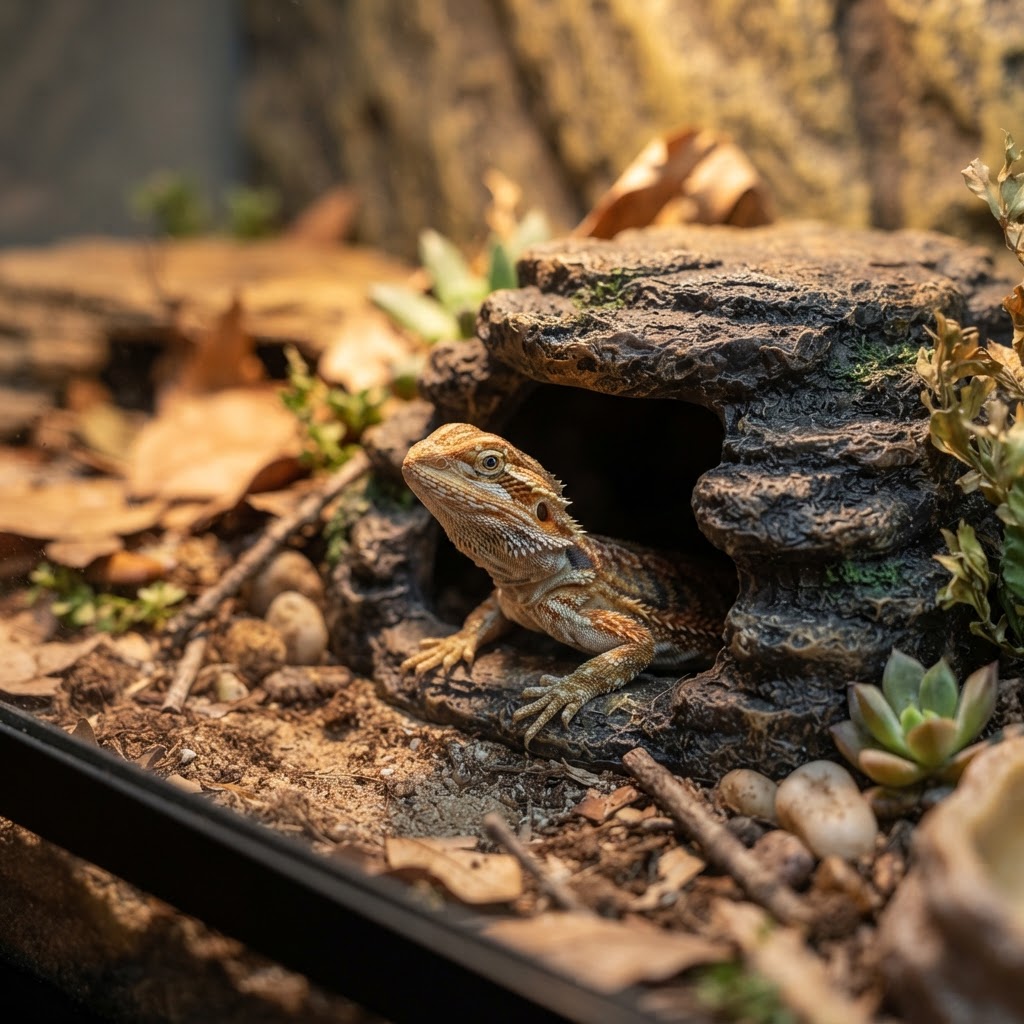
A baby beardie usually feels safest in a hide that is slightly snug. If the shelter is too large, it can feel more like an open room than a protected retreat. Your dragon should be able to turn around comfortably, but there should still be some close wall contact around the body.
As a rough rule, look for a hide that:
- Has an entrance wide enough for easy access without scraping the sides
- Allows your baby to sit fully inside with tail tucked naturally
- Does not leave huge empty space above or around the dragon
Very large hides are better for juveniles and adults. If your dragon is still quite small, starting with a small or medium cave often works best.
Safe Materials and Texture
The best hides are made from materials that are sturdy, non-toxic, and easy to wipe down. Resin and molded reptile-safe caves are popular because they are durable and hold up well to repeated cleaning.
Look for:
- Smooth interior surfaces
- No sharp edges around the entrance
- No loose paint or flaking finish
- A heavy enough base that it will not slide easily
Natural wood and cork can work too, but inspect them carefully for splinters, mold risk, and unstable shapes.
Easy Cleaning
Baby dragons are messy. They may track insects into the hide, shed inside it, or even poop there. That means the hide needs to be simple to remove, scrub, and fully dry before going back into the tank.
Complicated ornaments with deep crevices can look impressive, but they are not always practical for beginners. In a baby enclosure, cleanability matters more than decoration.
Stable Placement and Good Temperature Use
A hide should sit flat on the enclosure floor or on a very stable surface. Never balance a hide on top of loose decor. Babies climb more than many owners expect, and a shifted cave can cause injury.
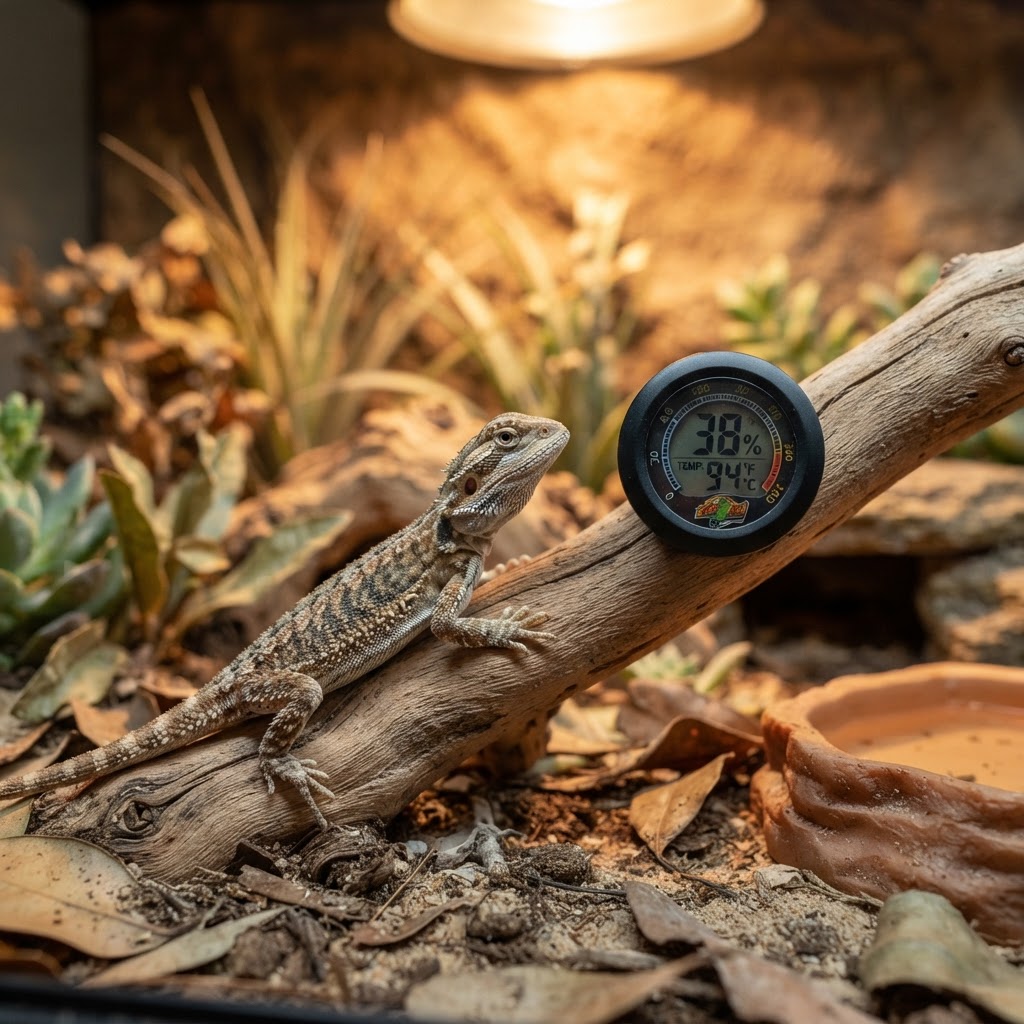
In most setups, the primary hide should go on the cool side. That gives your dragon a proper retreat without forcing it to sit under intense basking heat all day. To make sure your habitat supports safe thermoregulation, review our guide to best temperatures for baby bearded dragon enclosures.
Top Rated Tank Hides for Baby Bearded Dragons: Reviews
Below are some of the most popular and beginner-friendly hide styles for young beardies. These are not ranked only by appearance; they are judged by safety, ease of use, baby-appropriate sizing, and practicality in a real enclosure.
1. Exo Terra Reptile Cave
This is one of the most dependable starter hides for baby beardies. It has a natural rock look, a low profile, and a smooth entry point that makes it easy for small dragons to get in and out.
Why it stands out:
- Compact, secure shape that suits babies well
- Heavy enough to stay put in most enclosures
- Easy to wipe down and disinfect
- Natural appearance without taking up too much floor space
Best for: New owners who want a reliable all-purpose hide on the cool side of the tank.
Potential downside: Some sizes run smaller than expected, so check measurements before buying. For a rapidly growing juvenile, you may need to upgrade later.
2. Zilla Rock Lair
The Zilla Rock Lair is a favorite because it combines security with easy cleaning. Its structure feels enclosed, which many baby dragons prefer, but it still has a large enough opening that shy dragons do not feel trapped.
Why it stands out:
- Sturdy resin build
- Simple cave design with good visibility for checking on your dragon
- Comes in sizes that work well for babies and juveniles
- Less likely to tip than tall decorative caves
Best for: Owners who want a hide that is practical, durable, and easy to monitor.
Potential downside: It has a slightly bulkier footprint, so it may take up more room in a smaller starter tank.
3. Penn-Plax Reptology Shale Hideout Cave
This style has a flatter, layered rock appearance and often blends nicely into desert-style enclosures. Many babies use it confidently because the entrance is inviting and the interior feels dark enough for retreat.
Why it stands out:
- Wide entrance for easy access
- Natural-looking shape that doubles as climbing enrichment
- Stable design when placed on a solid surface
- Good option if you want a hide that also adds visual interest
Best for: Owners building a more naturalistic setup without sacrificing usability.
Potential downside: Some versions have more texture than smooth resin caves, so inspect carefully for rough spots before use.
4. Fluker’s Repta Hide
If your main goal is simple function, this is a strong choice. The design is straightforward and often more affordable than heavily themed decor. For many beginners, that is exactly what makes it useful.
Why it stands out:
- Budget-friendly
- Easy to clean
- Low, secure profile works well for babies
- Usually simple to fit into smaller enclosures
Best for: First-time keepers who want a dependable basic hide without spending a lot.
Potential downside: It is less decorative than some other options, so it may not match a highly styled enclosure.
5. Zoo Med Repti Shelter or Similar Resin Cave
Zoo Med-style resin shelters are widely used because they are practical and reptile-safe. They often have rounded interiors, a solid base, and enough weight to stay in place.
Why it stands out:
- Beginner-friendly sizing options
- Durable material that handles frequent cleaning
- Good enclosed feel for nervous babies
- Works in both simple and more detailed setups
Best for: Owners who want a balanced mix of appearance, function, and reliable construction.
Potential downside: Some models are taller than necessary, so choose one with an appropriately secure interior rather than the biggest version available.
6. Natural Cork Bark Half-Log
A cork bark half-log can work as a secondary shelter, especially for babies that like to move between cover spots. It looks natural and provides enrichment, but it is usually better as an extra option rather than the only hide in the enclosure.
Why it stands out:
- Lightweight and natural-looking
- Offers both cover and climbing interest
- Good supplemental shelter in larger setups
- Can help create a more varied habitat
Best for: Experienced beginners who already have a main enclosed hide and want to add variety.
Potential downside: It is more open than a true cave, can be harder to sanitize thoroughly, and may not feel secure enough as the only retreat for a nervous baby.
How to Choose Between These Options
When comparing top rated tank hides for baby bearded dragons, start with your dragon’s current size, your tank dimensions, and your cleaning routine.
Choose a more enclosed resin cave if:
- Your baby is new, shy, or stress-prone
- You want easy maintenance
- You need a predictable fit in a standard enclosure
Choose a flatter rock-style hide if:
- You want a hide that also functions as low climbing enrichment
- Your enclosure has limited vertical room
- Your baby already seems confident and active
Choose cork bark only as an extra if:
- You already have one secure enclosed cave
- You want more visual variety
- You are comfortable monitoring cleanliness closely
Most beginners do best with one enclosed hide on the cool side and optional extra cover elsewhere. Keep in mind that enclosure size matters too. If you are unsure whether your setup has enough room for multiple pieces of decor, read what size tank for a baby bearded dragon.
How to Place a Hide Correctly in the Tank
Even one of the top rated tank hides for baby bearded dragons will not help much if it is placed poorly. Position matters.
Put the Main Hide on the Cool Side
This is the safest starting point. Your baby should be able to retreat from heat and light while still staying within the proper temperature gradient. A cool-side hide supports thermoregulation and gives your dragon a calm place to rest.
Keep the Entrance Easy to Access
Do not wedge the hide behind decor so tightly that your baby struggles to enter. Babies need clear paths, especially during the first few weeks in a new home.
Avoid Blocking UVB or Basking Routes
Your dragon should still be able to move easily from hiding spot to basking area. Keep the cave separate from your primary basking platform so it does not interfere with proper lighting exposure.
Place It on Stable Ground
Put the hide directly on the tank floor or on a firmly secured surface. If you use tile, shelf liner, or another beginner-safe substrate, make sure the hide does not slide. If you are still deciding on flooring, our guide to best substrate for baby bearded dragons can help.
Common Hide Mistakes New Owners Make
A hide can be helpful or frustrating depending on how it is chosen and used. Here are the mistakes I see most often:
Buying a Hide That Is Too Big
Many owners buy for future adult size instead of current baby size. Large hides may look impressive, but babies often ignore them because they do not feel secure.
Choosing Decoration Over Function
A highly detailed desert ruin or skull cave may look fun, but if it is hard to clean, unstable, or full of tight crevices, it is not ideal for a baby enclosure.
Using Rough or Sharp Materials
Always run your fingers around the entry and interior. If it feels sharp to you, it can scrape a baby dragon’s nose, tail, or shedding skin.
Keeping Only One Giant Open Shelter
Half-logs and open arches are nice enrichment pieces, but most babies still need one properly enclosed retreat.
Forgetting to Clean the Hide Regularly
Spot-clean daily and do deeper cleaning as needed. During shedding, babies may spend more time rubbing or resting in the hide, so cleanliness becomes even more important.
Final Thoughts
If you are deciding among the top rated tank hides for baby bearded dragons, focus on security, size, and practicality before appearance. For most beginners, a small or medium resin cave from a trusted reptile brand is the safest and easiest first choice. It gives your baby a dependable retreat, fits neatly into a starter enclosure, and simplifies cleaning.
Remember that a hide is only one part of a healthy habitat. When combined with correct heat, UVB, safe substrate, and calm handling, it helps your baby beardie feel secure enough to eat, bask, explore, and grow normally. A simple, well-placed hide can do more for your dragon’s comfort than many owners realize.
Frequently Asked Questions
How many hides should a baby bearded dragon have?
At minimum, one secure hide is recommended. In larger enclosures, two can work well: one main hide on the cool side and one smaller cover option elsewhere. Just make sure extra decor does not crowd out basking space or feeding movement.
Should a baby bearded dragon hide be on the warm side or cool side?
The main hide should usually be on the cool side. This lets your baby escape heat when needed. In a larger enclosure, you can add another sheltered area closer to the middle or warm side, but the primary retreat is best placed away from the basking spot.
What size hide is best for a baby bearded dragon?
Choose a hide that allows your baby to enter easily, turn around, and rest fully inside without lots of extra empty space. Babies generally prefer snug hides over oversized caves. Always check measurements instead of guessing from product photos.
Can I use wood or cork bark as a hide?
Yes, but it is best used carefully. Cork bark can be a nice secondary shelter, but it is usually not as enclosed or as easy to disinfect as a resin cave. Inspect all natural materials for mold, splinters, pests, and unstable shapes before placing them in the tank.
How often should I clean my baby beardie’s hide?
Spot-clean whenever it becomes soiled and disinfect it during regular enclosure cleaning. Babies can be messy, so check the hide daily. If your dragon poops inside it, clean it right away and let it dry completely before putting it back.
Why is my baby bearded dragon not using the hide?
Some babies settle in slowly, while others prefer basking in the open for much of the day. If your dragon ignores the hide, check whether it is too large, too exposed, placed too close to heat, or blocked by other decor. Also review stress, lighting, and temperature conditions if behavior seems unusual.
Is it normal for a baby bearded dragon to stay in the hide a lot?
It can be normal during adjustment periods, after a stressful move, or during shedding. However, constant hiding combined with poor appetite, lethargy, or dark stress coloring may point to husbandry issues. Double-check temperatures, UVB, and enclosure layout if your baby seems withdrawn for several days.