Bearded Dragon Growth Overview
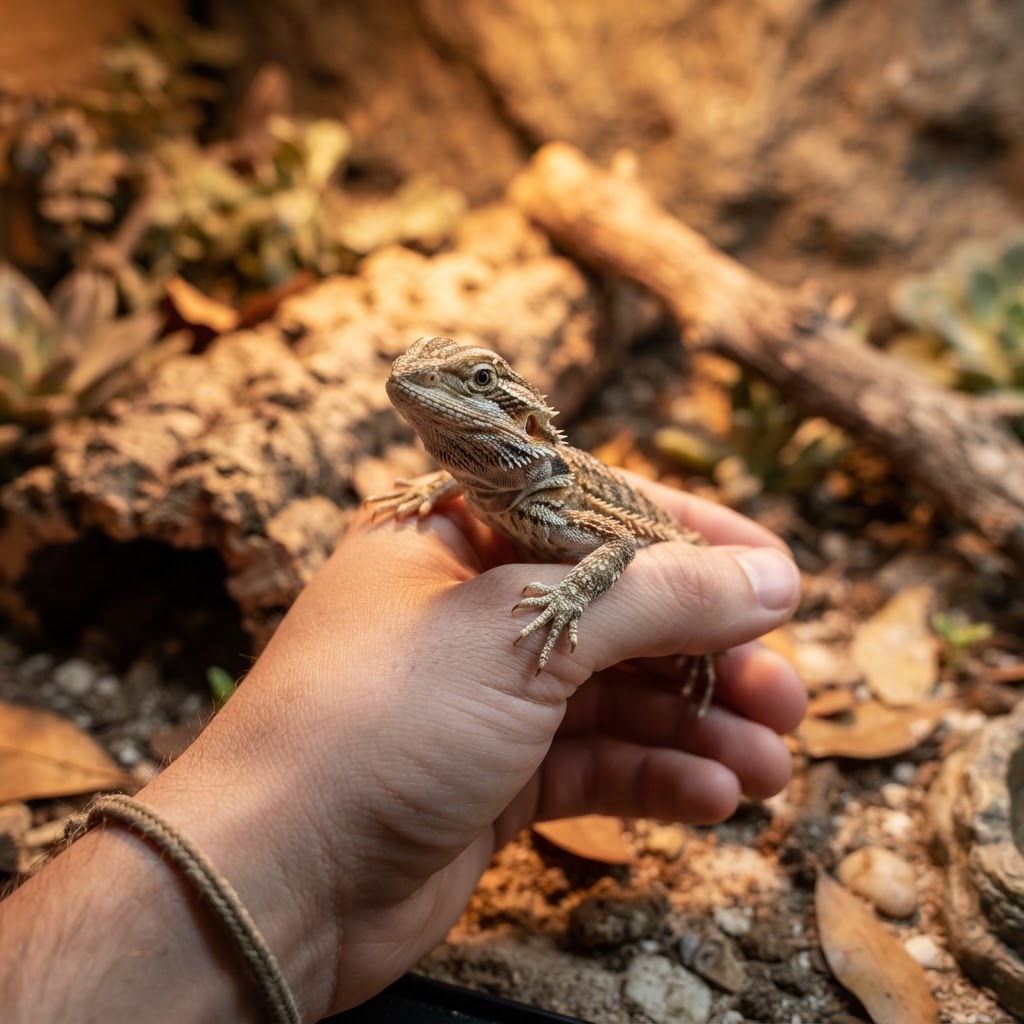
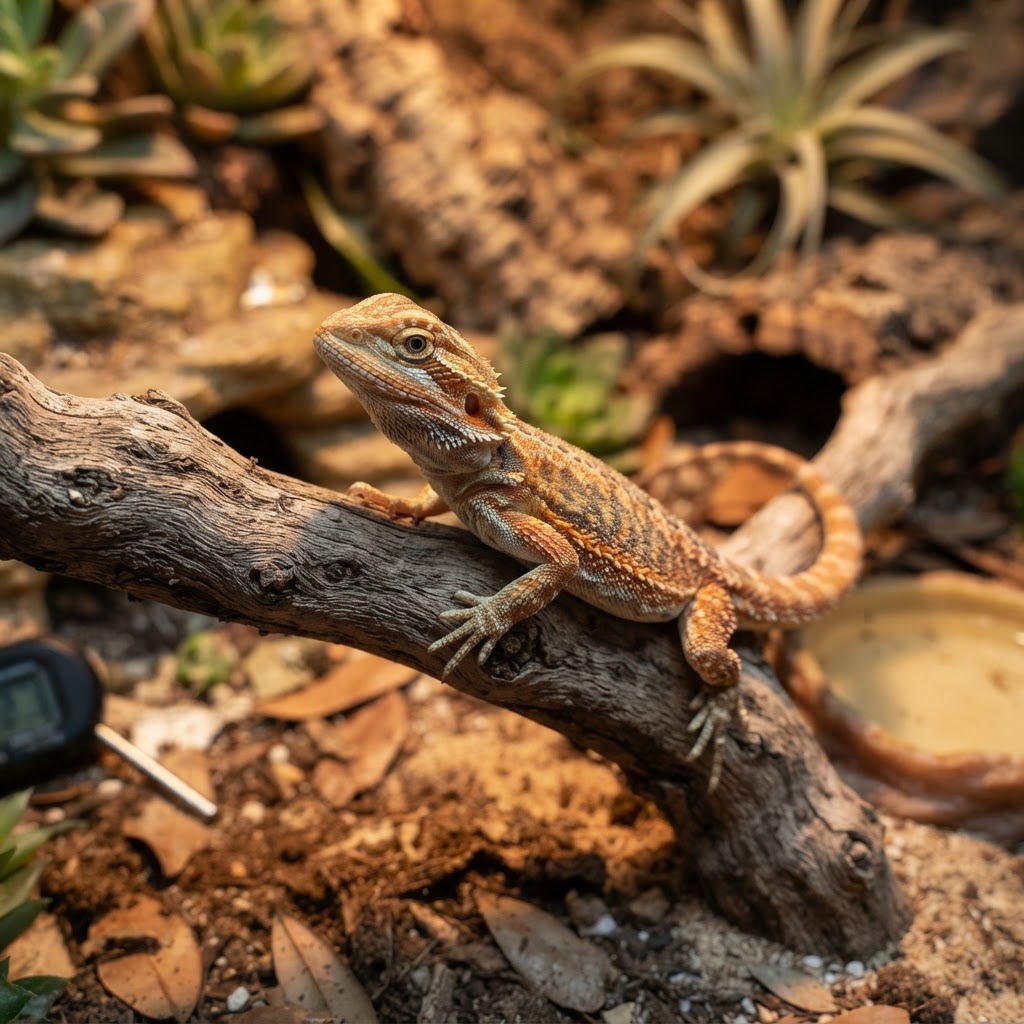
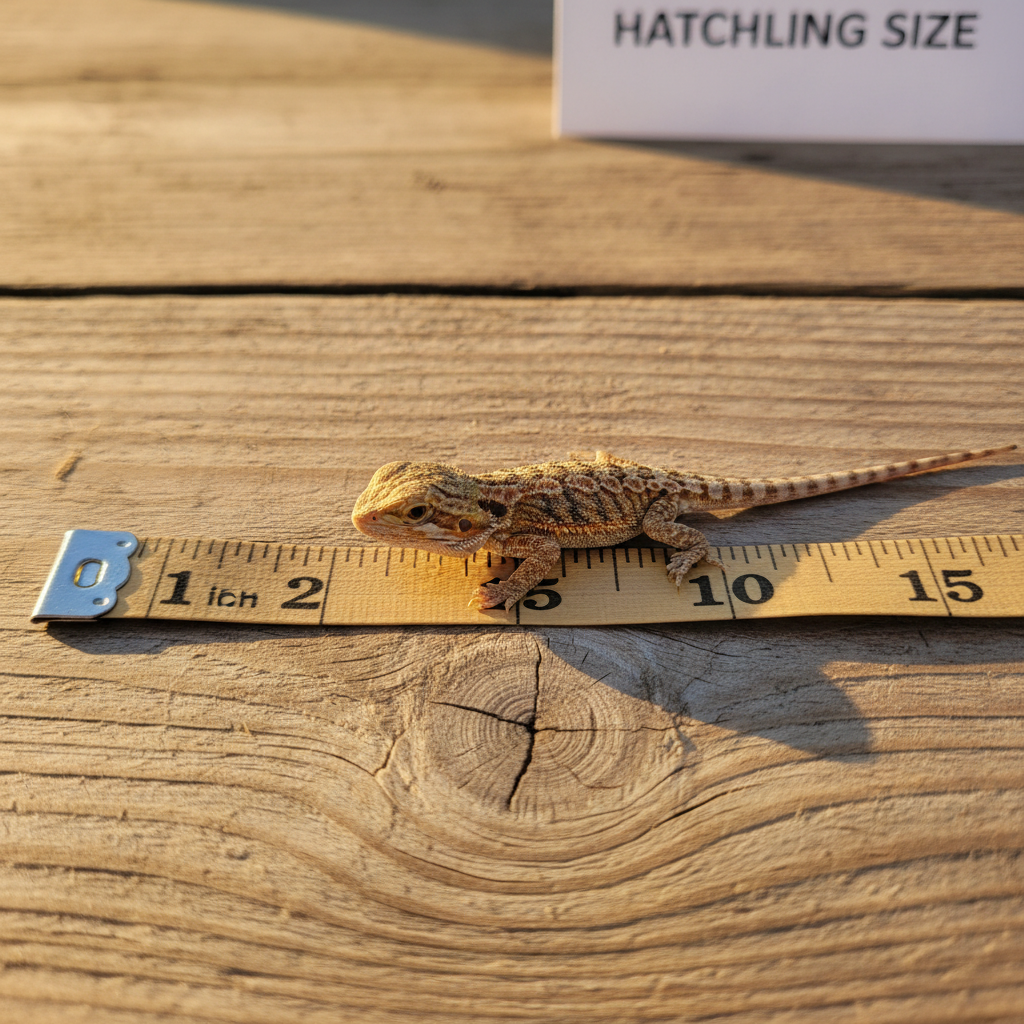
Bearded dragons grow incredibly fast in their first year — from a 3–4 inch hatchling to a 16+ inch juvenile in just 12 months. Tracking growth is one of the best ways to ensure your care routine is working.
Growth Chart by Age
| Age | Length (inches) | Weight (grams) | |-----|----------------|----------------| | Hatchling (0–1 month) | 3–4 inches | 4–6g | | 2 months | 5–9 inches | 8–40g | | 3 months | 8–11 inches | 22–110g | | 4 months | 9–12 inches | 41–115g | | 6 months | 11–18 inches | 80–280g | | 9 months | 14–22 inches | 200–400g | | 12 months | 16–24 inches | 300–465g |
These are ranges — individual dragons vary significantly based on genetics, sex, and care quality.
How to Measure Your Dragon
- Length: Measure from snout tip to tail tip using a flexible measuring tape
- Weight: Use a kitchen scale (grams) — weigh weekly for babies, monthly for older dragons
Signs of Healthy Growth
✅ Eating 2–3 times daily
✅ Active and alert during daytime
✅ Shedding regularly (every 4–6 weeks for babies)
✅ Gaining weight week over week
✅ Limbs look straight and strong
Red Flags
❌ Not gaining weight over 2+ weeks
❌ Ribs or spine becoming visible
❌ Limbs appear rubbery or bent
❌ Barely growing after 3 months
What Affects Growth Rate
- Genetics — biggest factor, some lines grow faster
- Feeding frequency and quality — more quality food = faster growth
- Temperatures — proper basking speeds up metabolism and digestion
- UVB — poor UVB leads to MBD which stunts growth
- Sex — males often grow slightly larger than females
Slow Growth: When to Worry
If your dragon is consistently below the lower end of the chart and not catching up, consult a reptile vet. Common causes include parasites, MBD, or chronic low temperatures.
Summary
Regular weighing and measuring gives you real data to act on. A healthy baby beardie grows fast — if yours isn't, something in the care routine likely needs adjusting.