Introduction
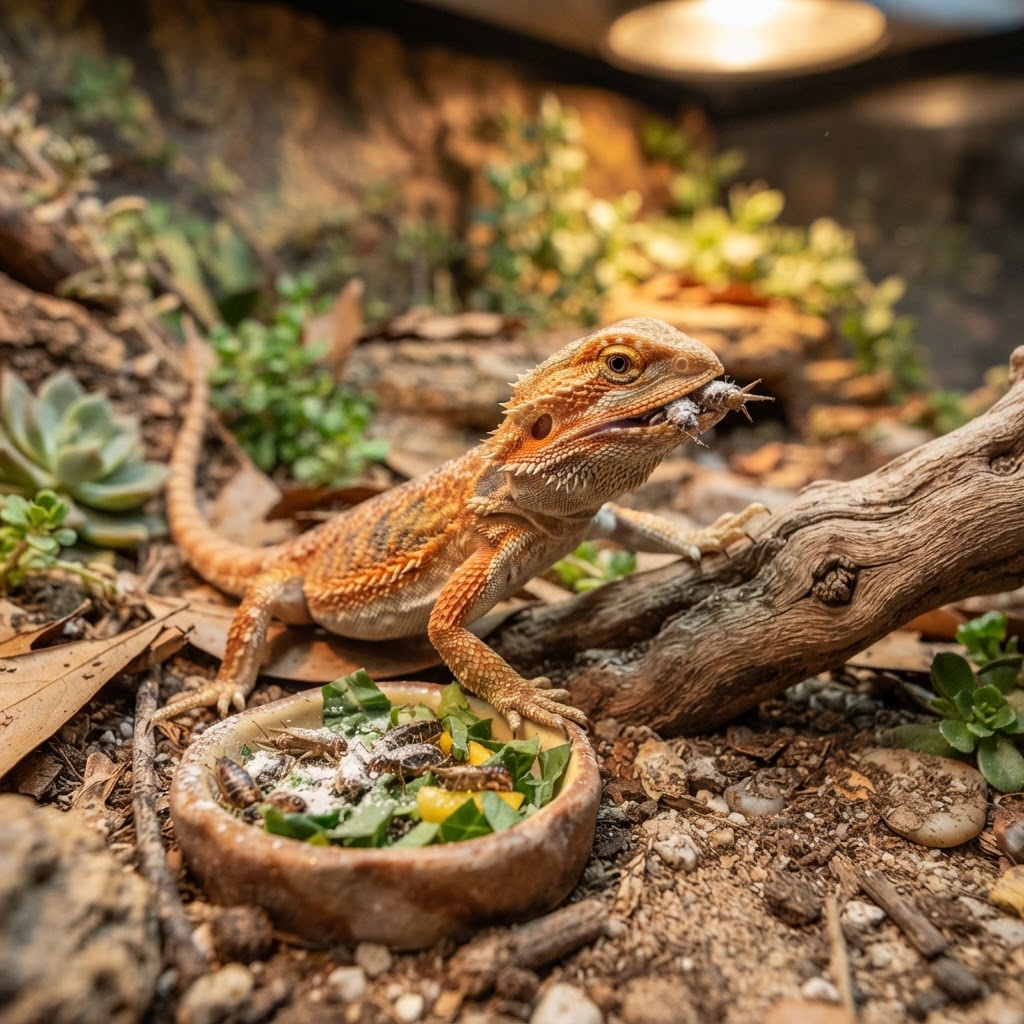
Feeding a baby bearded dragon sounds simple at first: buy some bugs, offer them every day, and let your little dragon eat. But once you start shopping, the choices can feel overwhelming. Crickets, dubia roaches, larvae, worms, calcium powders, feeder sizes, gut-loading—there is a lot to learn, especially when you are caring for a fast-growing dragon between 0 and 12 months old.
If you are searching for the top rated baby bearded dragon feeders, the best choice is not just the insect with the highest protein or the lowest price. A great feeder for babies needs to be safe, easy to digest, appropriately sized, and nutritious enough to support steady growth. In this guide, I’ll walk you through the best feeder insects for young beardies, how to use them, and how to build a feeding routine that works for beginners.
Whether you just brought your dragon home or want to improve your current feeding routine, this article will help you make confident, practical decisions. If you want a broader overview of diet basics, start with what baby bearded dragons eat and then come back here for the feeder-by-feeder breakdown.
BabyBeardedDragon.net is a participant in affiliate programs including Amazon Associates. We may earn a commission on qualifying purchases at no extra cost to you.
Key Takeaways
- The best staple feeders for baby bearded dragons are usually dubia roaches and crickets.
- Black soldier fly larvae, silkworms, and small hornworms are excellent rotation feeders.
- Feeders should be no larger than the space between your baby dragon’s eyes.
- Babies usually need multiple insect meals per day, especially in the first 6 months.
- Gut-load feeders, dust them with calcium, and remove leftovers after meals.
- Avoid wild-caught insects, oversized worms, and fatty treat insects as staples.
- Good nutrition works best when paired with proper baby bearded dragon lighting and UVB.
What Makes a Great Feeder for Baby Bearded Dragons?
A feeder can be popular and still not be ideal for a young beardie. For babies, the best live insects share a few important traits:
- Correct size: Small enough to swallow safely without choking or risking impaction.
- Easy digestion: Softer-bodied insects are usually gentler on young digestive systems.
- Good nutrition: Protein, calcium, moisture, and a reasonable fat level all matter.
- Active movement: Babies are visual hunters, so moving feeders often trigger a stronger feeding response.
- Availability: A feeder only helps if you can buy and keep it consistently.
A baby bearded dragon grows quickly, so feeder quality affects body condition, energy, shedding, and overall development. If you are still setting up your routine, our baby bearded dragon feeding schedule can help you match the right feeders to the right times of day.
Top Rated Baby Bearded Dragon Feeders: Best Choices
When owners ask about the top rated baby bearded dragon feeders, these are the options I recommend most often for healthy growth, easy digestion, and practical day-to-day use.
| Feeder | Best Use | Main Strength | Watch Out For | |---|---|---|---| | Dubia roaches | Staple | Great nutrition and easy upkeep | Must choose very small sizes for babies | | Crickets | Staple/rotation | Strong feeding response | Noisy, smellier, can escape | | Black soldier fly larvae | Rotation/staple support | Naturally high in calcium | Tiny size may mean feeding more at once | | Silkworms | Rotation | Soft-bodied and nutritious | Often pricier and less available | | Small hornworms | Treat/rotation | Excellent hydration | Grow fast and should not be overused |
1. Dubia Roaches
For many keepers, dubia roaches are the gold standard. When people talk about the top rated baby bearded dragon feeders, dubias are usually near the top for good reason. They are meaty, nutritious, relatively quiet, and easier to keep than crickets.
Why they work well for babies:
- High protein for growth
- Good meat-to-shell ratio
- Less odor than crickets
- Easy to gut-load
- Slower moving, so easier to manage during feeding
The biggest caution is size. Small nymphs are ideal for babies, but larger roaches can be too much for young dragons. Always buy the smallest appropriate size and monitor chewing and swallowing.
2. Crickets
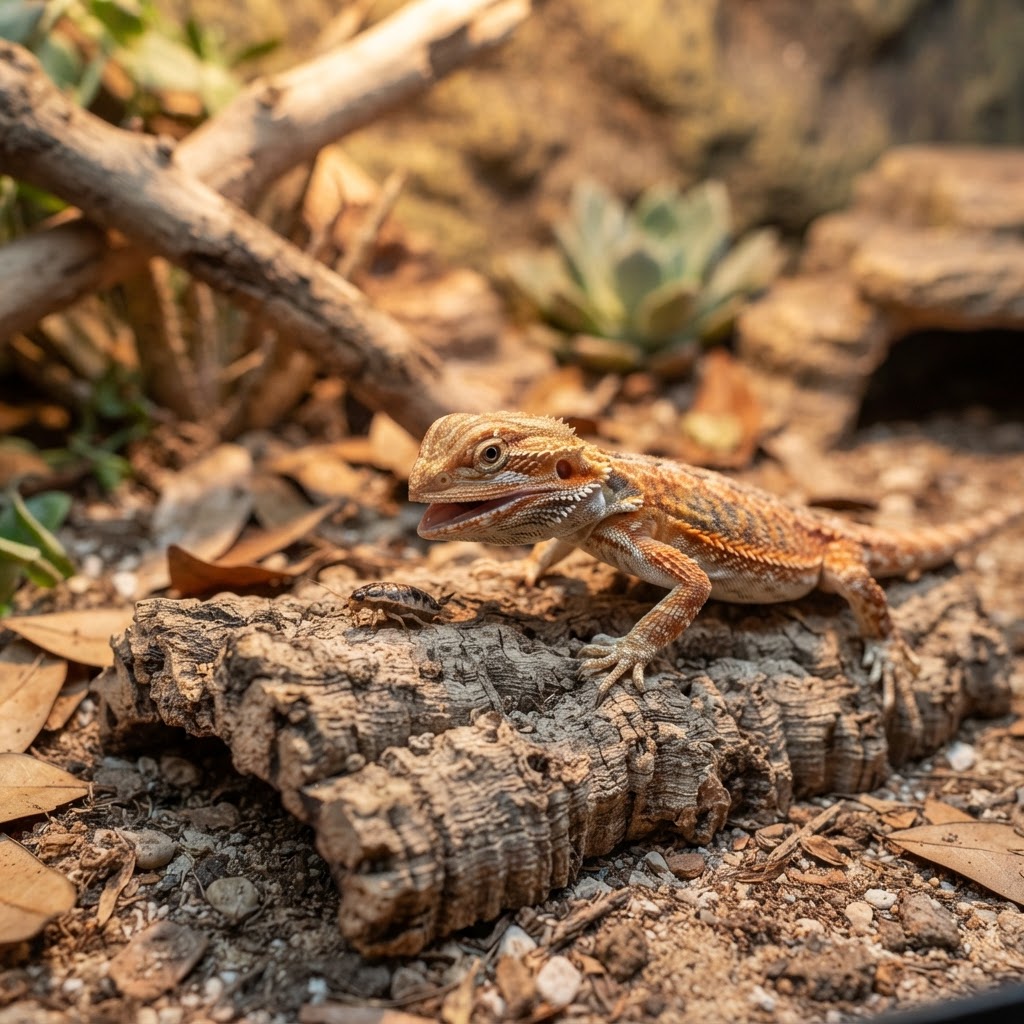
Crickets are still one of the most common feeders for baby beardies, especially for new owners. They are widely available, affordable, and very active, which often encourages babies to chase and eat enthusiastically.
Why crickets are useful:
- Easy to find at pet stores and online
- Strong movement stimulates hunting instincts
- Good staple option when properly gut-loaded
- Useful for dragons that ignore slower prey
Their downsides are the usual beginner complaints: smell, noise, and escape risk. Crickets can also bother your dragon if left in the tank too long, so remove uneaten insects after each meal.
If you want a deeper side-by-side comparison, read the difference between crickets and dubia roaches for dragons.
3. Black Soldier Fly Larvae
Black soldier fly larvae, often sold under brand names, are one of the smartest rotation feeders for babies. They are soft-bodied, easy to digest, and naturally higher in calcium than many other insects.
Why keepers love them:
- Soft texture for young dragons
- Naturally calcium-rich
- Clean and easy to store
- Great for adding variety
Because they are small, your baby may need quite a few in one sitting. They also do not move as dramatically as crickets, so some dragons show less excitement at first. Even so, they are excellent to keep on hand—especially for dragons that need more feeder variety.
4. Silkworms
Silkworms are one of the most underrated baby beardie feeders. They are soft, nutritious, and generally well accepted by young dragons. If you can source them consistently, they make a fantastic addition to a balanced rotation.
Benefits of silkworms:
- Soft-bodied and beginner-friendly
- Good moisture content
- Nutritious without being overly fatty
- Helpful for babies that prefer worm-like feeders
The main drawback is convenience. Silkworms can be more expensive than crickets or roaches, and they are not always easy to find locally. Still, many experienced keepers consider them one of the best “premium” feeder choices for babies.
5. Small Hornworms
Hornworms are not usually a staple, but they are excellent as a hydration-boosting feeder in moderation. Their bright color and movement make them very appealing to baby dragons.
Why they are helpful:
- High moisture content
- Soft-bodied and easy to eat
- Great for occasional variety
- Useful for encouraging appetite
The catch is that hornworms grow quickly. A perfectly sized worm today may be too large in a day or two. Buy small ones, feed them promptly, and use them as part of a rotation instead of a daily primary insect.
How to Choose Feeders by Age, Size, and Growth Stage
Baby bearded dragons do not all eat the same way from hatchling to nearly one year old. Their feeder needs change as they grow.
0-3 Months
This is the fastest growth stage. Most babies need 2-3 live insect meals per day. Small dubia roaches, pinhead or very small crickets, and tiny larvae work best. Focus on small prey, frequent meals, and close supervision.
4-6 Months
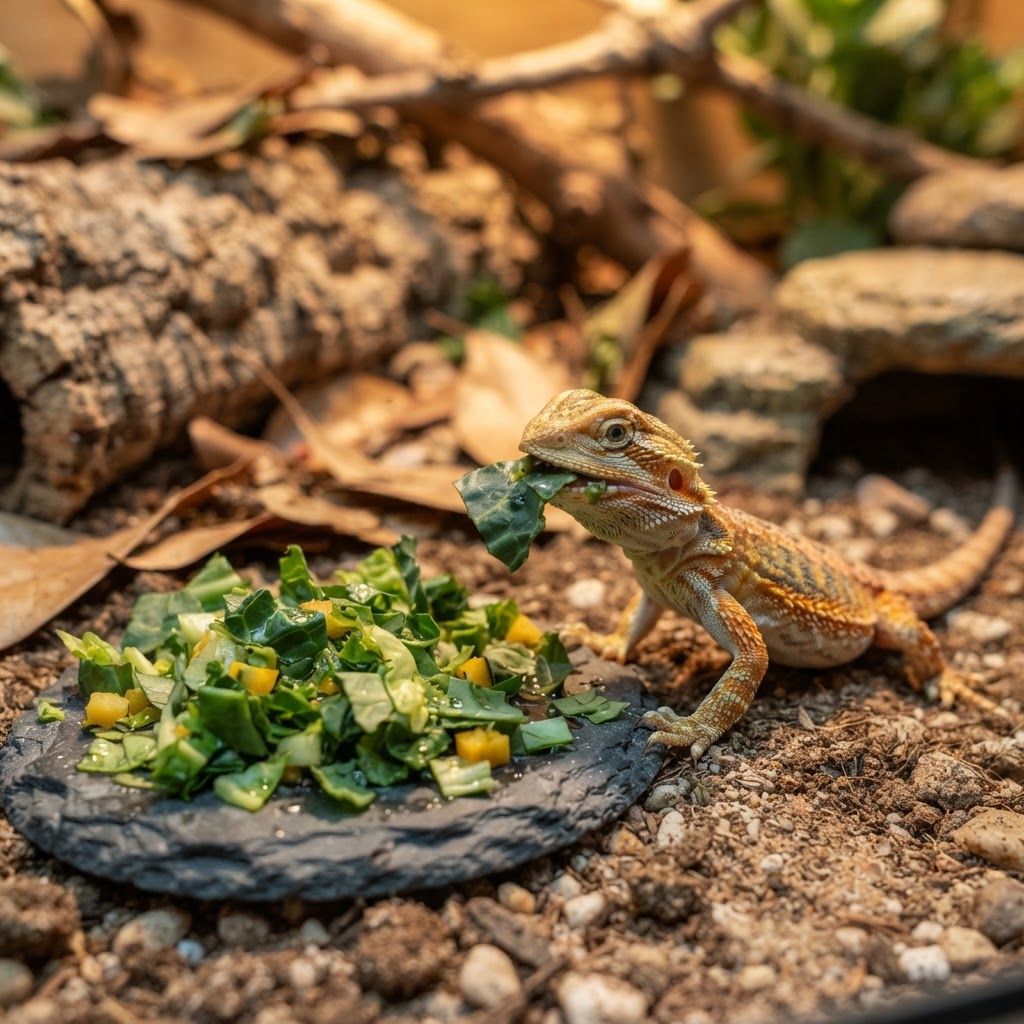
Appetites are still high, but your dragon may begin handling slightly larger feeders. Continue offering insects daily, rotate feeder types, and start building reliable greens habits alongside live prey.
7-12 Months
At this stage, many juveniles still eat plenty of insects, but plant matter should become a more regular part of the routine. You can still use the same feeder staples, just sized appropriately.
No matter the age, follow the golden rule: never offer insects wider than the space between your dragon’s eyes. That simple check prevents many feeding problems.
How to Serve Feeders Safely
Even the best insect can become a poor choice if it is served incorrectly. Here are the basics that matter most:
Gut-Load Before Feeding
Feed your insects nutritious foods for 24-48 hours before offering them. Quality greens and appropriate vegetables improve the value of the feeder itself.
Dust With Supplements
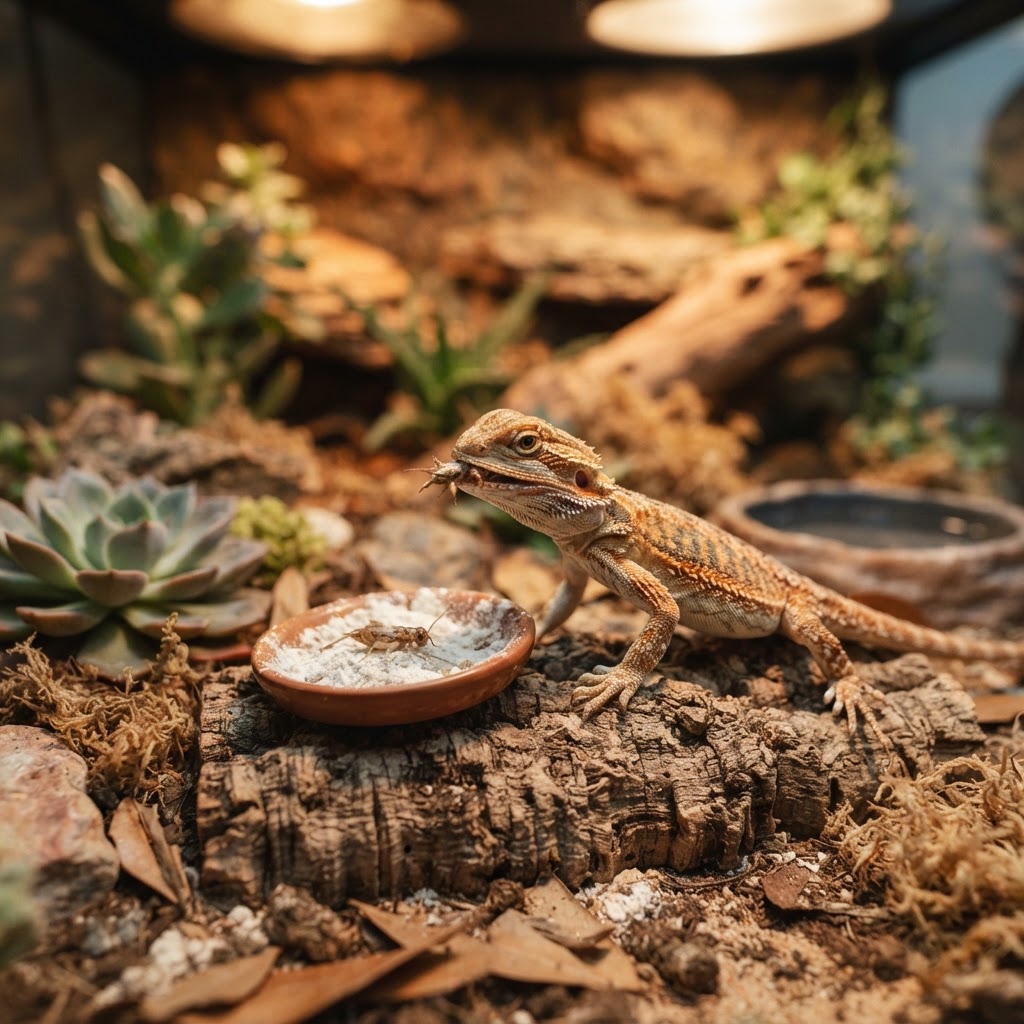
Most baby dragons benefit from feeder insects dusted with calcium several times per week, plus a reptile multivitamin on a limited schedule. Exact frequency can vary based on your UVB setup and your vet’s advice.
Feed in a Controlled Space
A feeding bin or clear area inside the enclosure helps you see exactly how much your baby eats. It also keeps insects from hiding under decor.
Remove Leftovers Quickly
Do not leave crickets or other loose feeders wandering the tank for long periods. They can stress your dragon and are harder to count later.
Support Digestion With Proper Heat
Babies digest live feeders best when basking temperatures are correct. If your dragon eats well but seems sluggish afterward, recheck heat and UVB before assuming the feeder is the problem.
For more help building a complete diet, visit best insects for baby bearded dragon diets.
Feeders to Avoid or Use With Caution
Not every insect sold for reptiles is a good everyday baby feeder.
Use caution with:
- Mealworms for tiny babies: Their harder outer shell makes them less ideal for very young dragons.
- Superworms for babies: Usually too large and too tough for small juveniles.
- Waxworms and butterworms: Very fatty, best as occasional treats only.
- Wild-caught insects: Risky due to parasites, pesticides, and toxic species.
- Fireflies or glowing insects: Never feed them; they can be toxic.
- Freeze-dried insects as a staple: They lack the movement and moisture of live feeders.
A feeder does not need to be “bad” to be a poor fit for a baby. Often, the real issue is size, frequency, or overuse.
A Simple Feeder Rotation for Beginners
If you are building your own list of top rated baby bearded dragon feeders, keep it simple at first:
- Primary staple: Dubia roaches or crickets
- Calcium-friendly rotation: Black soldier fly larvae
- Soft-bodied variety: Silkworms
- Hydration boost: Small hornworms once in a while
That kind of rotation covers nutrition, interest, and practicality without making feeding feel complicated. Start with one reliable staple, add one or two rotation insects, and watch your dragon’s appetite, stool quality, growth, and body condition over time.
Frequently Asked Questions
How often should I feed a baby bearded dragon insects?
Most babies under 6 months do best with 2-3 insect meals per day. From about 6-12 months, many juveniles shift to 1-2 insect meals daily while eating more greens. Appetite varies, so monitor body condition and energy—not just appetite alone.
What size feeders are safe for a baby bearded dragon?
Choose insects that are no wider than the space between your dragon’s eyes. This is the easiest and safest sizing rule for beginners. Oversized feeders can cause choking, regurgitation, or digestive trouble.
Are dubia roaches better than crickets for babies?
Often, yes—but not always for every owner. Dubia roaches are cleaner, quieter, and easier to keep, while crickets are more active and often trigger a strong feeding response. Many keepers use both, with dubias as a staple and crickets for variety.
Can baby bearded dragons eat mealworms?
Small mealworms are sometimes used cautiously, but they are usually not a first-choice feeder for very young babies. Softer insects like dubias, black soldier fly larvae, silkworms, and appropriately sized crickets are usually better starter options.
Do feeder insects need calcium powder?
Yes, in most setups they do. Baby beardies grow quickly and need proper calcium support, especially when combined with strong UVB lighting. Light dusting on feeder insects several times a week is common, but always follow reptile-vet guidance for your specific dragon.
What are the top rated baby bearded dragon feeders for daily use?
For everyday use, the top rated baby bearded dragon feeders are usually small dubia roaches and appropriately sized crickets. Black soldier fly larvae are also excellent in rotation, especially when you want a softer, calcium-rich option.
What if my baby bearded dragon suddenly stops eating feeders?
First, check basics: heat, UVB, feeder size, stress, hydration, and shedding. A baby may also lose interest if fed the same insect every day. Rotate feeders and review husbandry carefully. If your dragon seems weak, loses weight, or refuses food for more than a short period, contact a reptile vet promptly.
A good feeding plan does not have to be complicated. With the right staple insects, proper sizing, and a little variety, you can support strong growth and help your baby bearded dragon thrive.