Introduction
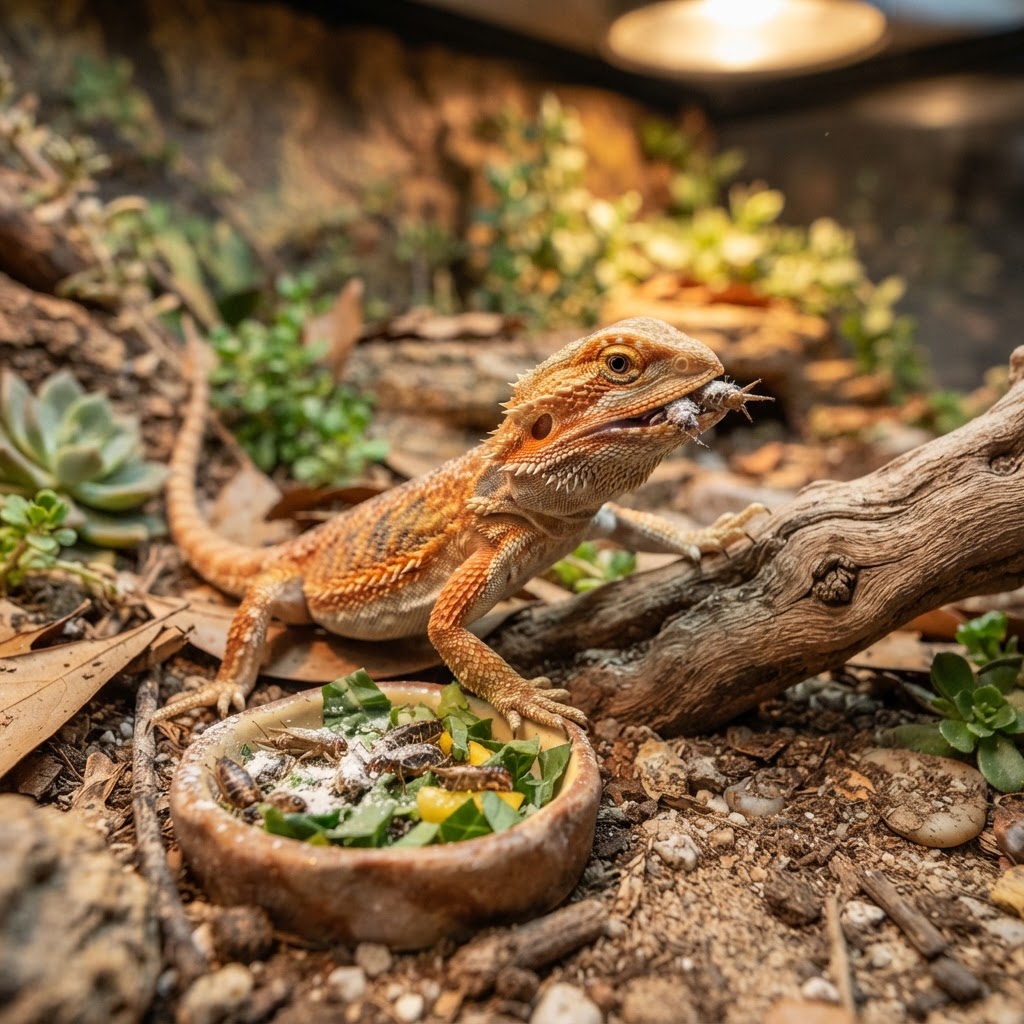
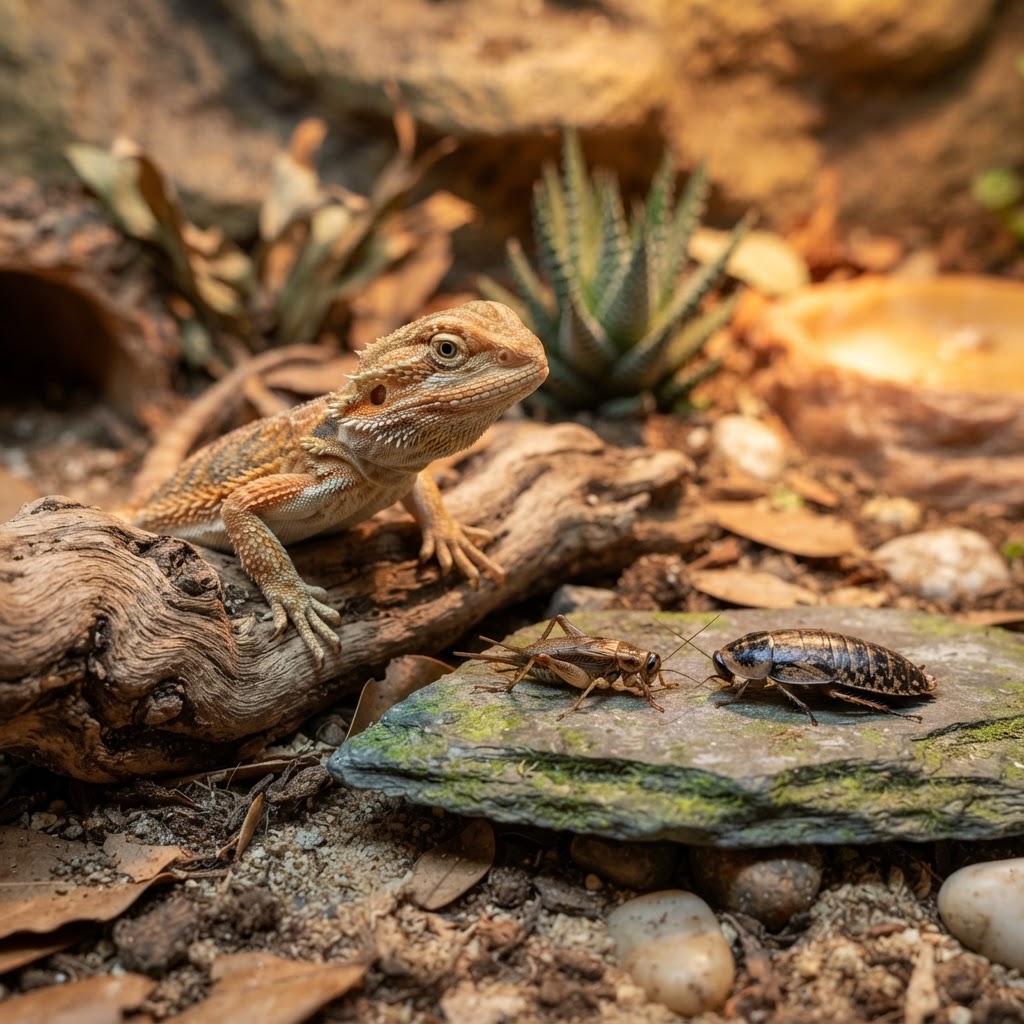
If you are a new beardie owner, one of the first feeding questions you will run into is the difference between crickets and dubia roaches. Both are popular live feeders, both can be part of a healthy diet, and both can help a growing baby bearded dragon get the protein it needs. But they are not identical, and those differences matter more when your dragon is under 12 months old.
Baby bearded dragons grow fast. They need frequent meals, good calcium support, safe prey size, and reliable digestion. A feeder insect that works well for an adult may not always be the best everyday choice for a tiny, active juvenile. That is why it helps to compare crickets and dubia roaches side by side instead of just buying whatever the pet store has in stock.
In this guide, you will learn how these two feeders compare in nutrition, moisture, behavior, cost, convenience, and safety. You will also get practical tips on how to use each one for hatchlings, young juveniles, and older babies so you can build a feeding routine with confidence.
BabyBeardedDragon.net is a participant in affiliate programs including Amazon Associates. We may earn a commission on qualifying purchases at no extra cost to you.
Key Takeaways
- Crickets are active, stimulating feeders that can encourage a strong hunting response in baby bearded dragons.
- Dubia roaches are usually easier to keep alive, less smelly, less noisy, and more convenient for many owners.
- Nutritionally, dubia roaches often have an edge because they are meatier and generally offer better protein efficiency with less waste.
- Crickets contain more moisture, which can be helpful for babies that are not great drinkers, but they can also die off quickly if not kept well.
- For babies, feeder size matters more than feeder type. Never offer insects larger than the space between your dragon's eyes.
- Many keepers do best by using both insects in rotation instead of relying on only one feeder.
- Proper UVB, heat, gut-loading, and calcium dusting are just as important as choosing the right insect. If you need a full food overview, see what baby bearded dragons eat.
Why the Feeder Choice Matters for Babies
When owners ask about the difference between crickets and dubia roaches, they are usually really asking, which one will help my baby dragon grow well without causing problems? That is the right question.
From 0 to 12 months, bearded dragons need a high-protein diet to support bone development, muscle growth, shedding, and energy. During this stage, babies often eat multiple live insect meals per day. Because they eat so often, the feeder you choose affects more than nutrition alone. It also affects how much your dragon hunts, how easy the prey is to digest, how much money you spend, and how much stress you deal with as the caretaker.
A baby that is not eating well may respond better to fast movement. Another may do better with a meatier, slower insect that is easier to catch. If appetite is a concern, this guide pairs well with our article on baby bearded dragon not eating.
Crickets vs Dubia Roaches at a Glance
Here is the simple version.
| Feature | Crickets | Dubia Roaches | |---|---|---| | Movement | Fast, jumpy, very active | Slower, crawl more than run | | Hunting response | Excellent for many babies | Good, but sometimes less exciting | | Protein efficiency | Good | Very good | | Moisture | Higher | Moderate | | Smell | Can smell quickly | Usually less odor | | Noise | Chirping can be loud | Silent | | Escape risk | High | Lower | | Ease of care | More fragile | Hardier and easier to keep | | Cleanup | Dead crickets can foul bins fast | Usually cleaner overall | | Best use | Stimulating picky hunters | Staple feeder for convenience and nutrition |
For many beginners, crickets feel more familiar because pet stores stock them everywhere. Dubia roaches, however, often become the favorite once owners realize how much easier they are to manage day to day.
Nutrition Comparison
Crickets
Crickets are a solid feeder insect for baby bearded dragons. They are lean, active, and widely available. Their biggest strengths are movement and hydration. Because they bounce and run, they trigger strong feeding interest in many babies. They also contain a bit more moisture than dubia roaches, which can slightly help dragons that do not drink much from a bowl.
That said, crickets are not perfect. They are lighter-bodied insects, so your dragon may need to eat more of them to get the same full, satisfied meal. They also spoil faster if they die in the enclosure or feeder bin, which can create odor and bacteria problems if you do not clean promptly.
Dubia Roaches
Dubia roaches are widely considered one of the best staple feeders for young bearded dragons. They are meaty, nutritious, and efficient. Many keepers like that a baby can often get more substance from fewer roaches than from the same number of crickets.
Dubias are also easier to gut-load well. Because they survive better in storage and tend to eat consistently, you can keep them nourished with quality greens and vegetables before feeding them off. Well-fed roaches become better feeders for your dragon.
The main downside is that some babies are not as excited by them at first, especially if they are used to very fast-moving prey. A little patience usually solves that.
Which is better nutritionally?
On balance, dubia roaches usually win as the better staple feeder for many baby dragons. They are protein-dense, convenient, and dependable. But crickets are still a healthy option, especially if your baby loves chasing them and you stay on top of care and cleanup.
Whichever you choose, remember that feeder nutrition is only part of the picture. Proper lighting is essential for calcium use and bone growth, so make sure your setup supports digestion and metabolism. If you need help, read baby bearded dragon lighting and UVB.
Digestibility and Safety for Young Dragons
Size matters more than species
The safest feeder is the one that is appropriately sized. For babies, insects should be no longer than the space between your dragon's eyes. This rule matters with both crickets and dubia roaches.
Oversized feeders can be difficult to chew and swallow. They may also discourage feeding if your baby feels unsure about tackling them. Small, easy prey lets babies eat confidently and reduces risk.
What about hard shells?
Some beginners worry that dubia roaches are too hard-shelled for babies. In practice, small dubias are usually just fine for healthy juveniles when the size is correct. Very tiny hatchlings may do better with extra-small crickets or very small roach nymphs, but for most babies, appropriately sized dubias are not a problem.
The bigger digestive risk usually comes from husbandry mistakes, not from the insect itself. Poor basking temperatures, weak UVB, dehydration, or offering prey that is too large can all contribute to feeding trouble. Pair your insect choice with a proper setup and a clear baby bearded dragon feeding schedule.
Never leave too many loose feeders in the tank
Crickets especially should not be left in the enclosure for long periods. They can hide, stress your baby, nibble on skin during shedding, and make it hard to know how much your dragon actually ate. Dubias are easier to contain in a feeding dish or smooth-sided bin, which helps you track intake more accurately.
Hunting Response and Appetite
One area where crickets often shine is feeding excitement. Their speed and hopping can flip a baby dragon into full hunting mode. For new arrivals, shy babies, or dragons that seem bored with slower feeders, crickets can be very useful.
Dubia roaches are less dramatic, but many babies learn to love them quickly. If your dragon ignores roaches at first, try offering them one at a time, using a shallow feeding dish, or presenting them at the start of the meal when your baby is most alert and warm.
If your dragon suddenly loses interest in both feeders, check the basics before assuming it is a food preference issue. Appetite can drop with stress, cool basking temperatures, recent relocation, or shedding. Our guides on signs of stress in baby bearded dragons and baby bearded dragon not eating can help you troubleshoot.
Cost, Convenience, and Daily Care
Crickets are common, but high-maintenance
Crickets are easy to find locally, which is a big advantage if you need feeders the same day. But they can be surprisingly inconvenient to keep.
Common cricket frustrations include:
- chirping noise
- stronger smell
- fast die-off if ventilation, food, or moisture is poor
- escape artists all over the room
- harder cleanup when dead insects pile up
For an owner feeding a baby two or three times a day, those issues add up quickly.
Dubia roaches are easier for most keepers
Dubia roaches are usually quieter, cleaner, and more durable. They do not jump, they do not chirp, and they are less likely to die off overnight. That means less waste and less stress for you.
They are often more cost-effective in the long run too, especially if you buy in bulk or maintain a small feeder colony where legal. Because they live longer and are more substantial per insect, many owners find their money goes further.
Gut-loading tips for both feeders
No matter which insect you use, feed the feeders well before offering them to your dragon. Good gut-loading improves the quality of the meal.
Use safe, nutritious foods such as:
- collard greens
- mustard greens
- squash
- carrots in moderation
- high-quality insect diets if needed
Avoid relying on potato alone or leaving feeders without moisture. Healthy feeders produce healthier baby dragons.
When Crickets May Be the Better Choice
Choose crickets more often if:
- your baby is a picky eater that responds best to fast-moving prey
- you need a feeder that is easy to buy locally today
- you want extra feeding enrichment through active chasing
- your dragon is still very tiny and the available cricket size is better than the roach size you can source
Crickets can be especially helpful for newly settled babies that are still learning to hunt in a new enclosure. They keep the feeding session lively and can boost interest during that early adjustment period.
When Dubia Roaches May Be the Better Choice
Choose dubia roaches more often if:
- you want a reliable staple feeder for frequent meals
- you prefer less smell, less noise, and fewer escapes
- you want an insect that is easy to keep alive between feedings
- you need better value over time
- you want to monitor portions more easily in a bowl or feeder bin
For many households, dubias are simply more practical. They fit busy routines better, especially once your dragon is eating a lot and you are managing feeders every single day.
Best Feeding Strategy for Baby Bearded Dragons
For most babies, the best answer is not crickets only or dubia only. It is variety, correct sizing, and consistency.
Here is a practical approach:
0 to 3 months
- Offer 2 to 3 live insect meals per day.
- Let your baby eat as many appropriately sized insects as it wants in about 10 to 15 minutes.
- Use small crickets, small dubia nymphs, or a mix.
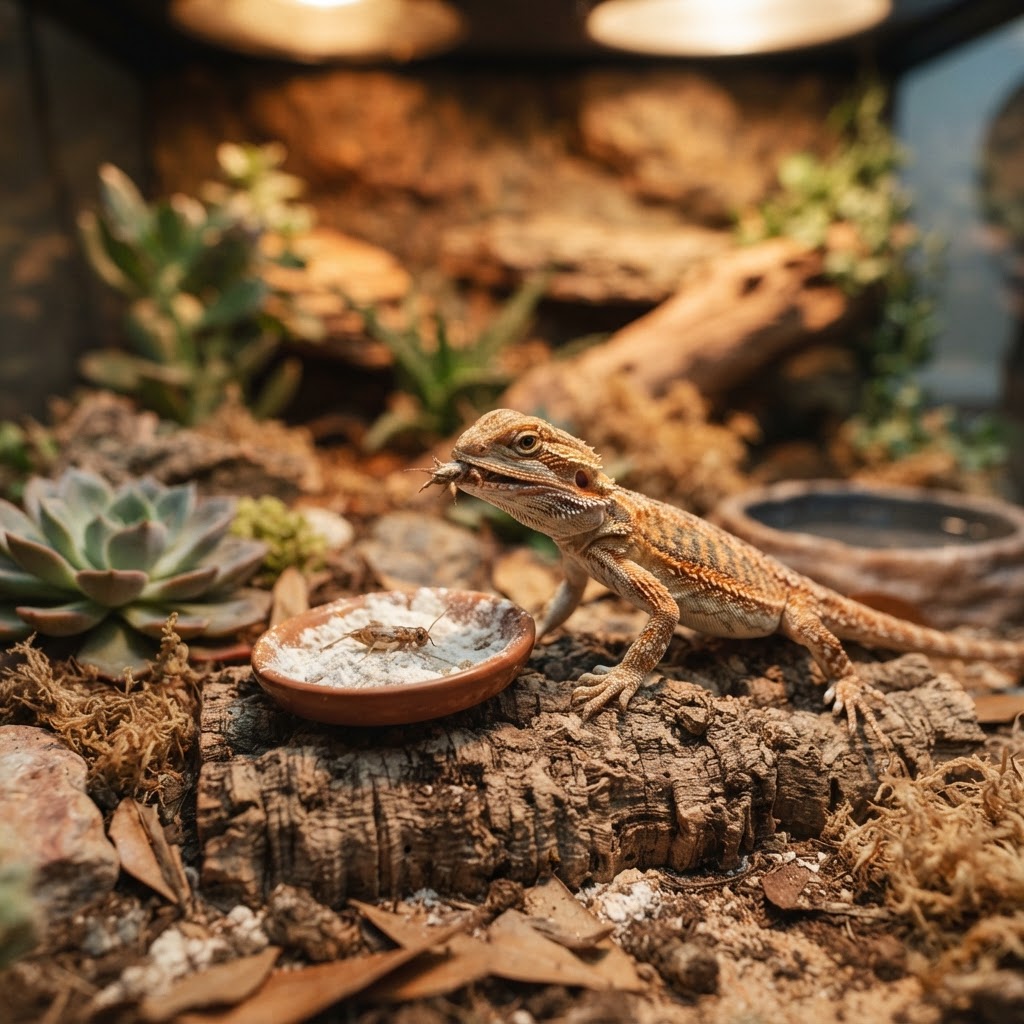
- Dust feeders with calcium regularly according to your vet's guidance and UVB setup.
4 to 6 months
- Continue 2 insect meals per day for most babies.
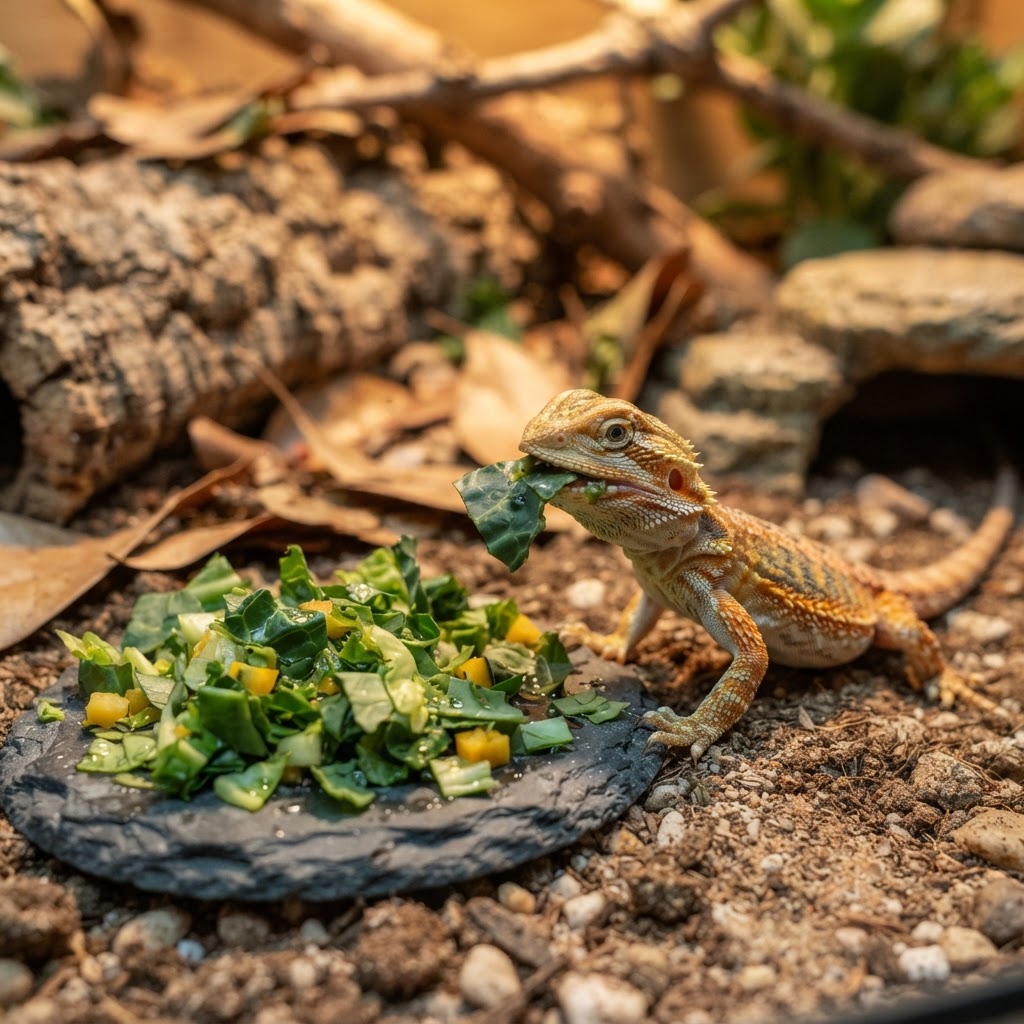
- Start making greens a more visible daily part of the diet.
- Rotate crickets and dubias to prevent boredom and create nutritional variety.
7 to 12 months
- Shift gradually toward 1 to 2 insect meals per day depending on age, growth, and body condition.
- Increase salad intake while keeping quality live feeders in the routine.
- Watch body condition closely so your growing juvenile stays lean and active, not overly heavy.
A lot of owners comparing the difference between crickets and dubia roaches eventually settle on dubias as the staple and crickets as the occasional high-interest feeder. That is a smart, balanced strategy for many baby dragons.
To make your plan work well:
- Warm your dragon fully before feeding.
- Offer only properly sized insects.
- Remove uneaten crickets after the session.
- Gut-load feeders for at least 24 hours when possible.
- Use calcium and vitamins appropriately.
- Track appetite, stools, and growth.
If you are unsure whether your baby is eating enough, compare intake with our baby bearded dragon feeding schedule and monitor development alongside a normal baby bearded dragon growth rate.
Frequently Asked Questions
What is the difference between crickets and dubia roaches for baby bearded dragons?
Crickets are faster, more stimulating, and slightly higher in moisture, while dubia roaches are meatier, easier to keep, quieter, and often better as a staple feeder. For most babies, both can work well if the size is appropriate and husbandry is correct.
Are dubia roaches better than crickets for growth?
Dubia roaches are often preferred for growth because they are nutrient-dense and substantial, so babies can get a solid meal from fewer insects. However, growth depends on the whole setup, including UVB, heat, supplementation, and total food intake, not just one feeder type.
Can a baby bearded dragon eat only crickets?
A baby can eat crickets as a major feeder, but relying on only one insect long term is not ideal. Variety helps provide broader nutrition and keeps feeding sessions interesting. If you use crickets often, make sure they are well gut-loaded, correctly sized, and removed if uneaten.
Can a baby bearded dragon eat only dubia roaches?
Dubia roaches can serve as a primary staple for many baby dragons, but variety is still best. Mixing in other suitable feeders and offering fresh greens supports a more balanced diet and helps prevent your dragon from becoming overly picky.
How many crickets or dubia roaches should a baby eat per day?
There is no perfect number because appetite changes with age, temperature, and individual growth. A good rule is to offer 2 to 3 feeding sessions daily for younger babies and allow them to eat appropriately sized insects for 10 to 15 minutes. Older juveniles usually need fewer sessions as salad intake increases.
Do crickets or dubia roaches bite bearded dragons?
Loose crickets can sometimes nip at a dragon, especially if left in the enclosure too long. Dubia roaches are much less troublesome in that regard. It is always best to supervise feeding and remove leftover insects promptly.
Which feeder is better for a picky baby bearded dragon?
Crickets often win for picky babies because their quick movement triggers a stronger hunting response. If your baby refuses dubias at first, do not give up. Offer smaller roaches, feed when your dragon is fully warmed up, and try rotating insects instead of forcing only one choice.