Introduction
Feeding a baby bearded dragon can feel overwhelming at first. New owners quickly discover that babies eat a lot, grow fast, and seem to have strong opinions about what they will chase, ignore, or spit back out. If you are trying to choose the best insects for baby bearded dragon diets, the good news is that you do not need a huge list of exotic feeders to do a great job.
What matters most is choosing safe, appropriately sized insects, rotating a few high-quality staples, and preparing them correctly with gut-loading and supplements. In this guide, I will walk you through the top insect options for baby and juvenile dragons from 0 to 12 months old, explain which ones are best used as staples versus treats, and show you how to feed with confidence. If you want a broader overview of nutrition, start with what baby bearded dragons eat and then compare your routine to a practical baby bearded dragon feeding schedule.
BabyBeardedDragon.net is a participant in affiliate programs including Amazon Associates. We may earn a commission on qualifying purchases at no extra cost to you.
Key Takeaways
- Baby bearded dragons need protein-rich live insects daily during their fastest growth phase.
- The best staple feeders for most babies are Dubia roaches, crickets, black soldier fly larvae, and silkworms.
- Small hornworms can be useful as a hydrating treat, but they should not replace staple insects.
- Never feed insects larger than the space between your dragon's eyes.
- Gut-load feeders for 24 to 48 hours and dust with calcium regularly.
- Avoid wild-caught insects, fireflies, and hard-shelled or overly fatty feeders for very young dragons.
- Good UVB matters just as much as diet because your dragon needs it to use calcium properly. Review your setup with this UVB lighting guide.
Why Insects Matter So Much in the First Year
During the first 12 months, bearded dragons grow quickly and burn a surprising amount of energy. That is why younger dragons eat a much higher percentage of insects than adults. Live feeders provide protein, fat, moisture, and enrichment through hunting behavior, all of which support healthy growth.
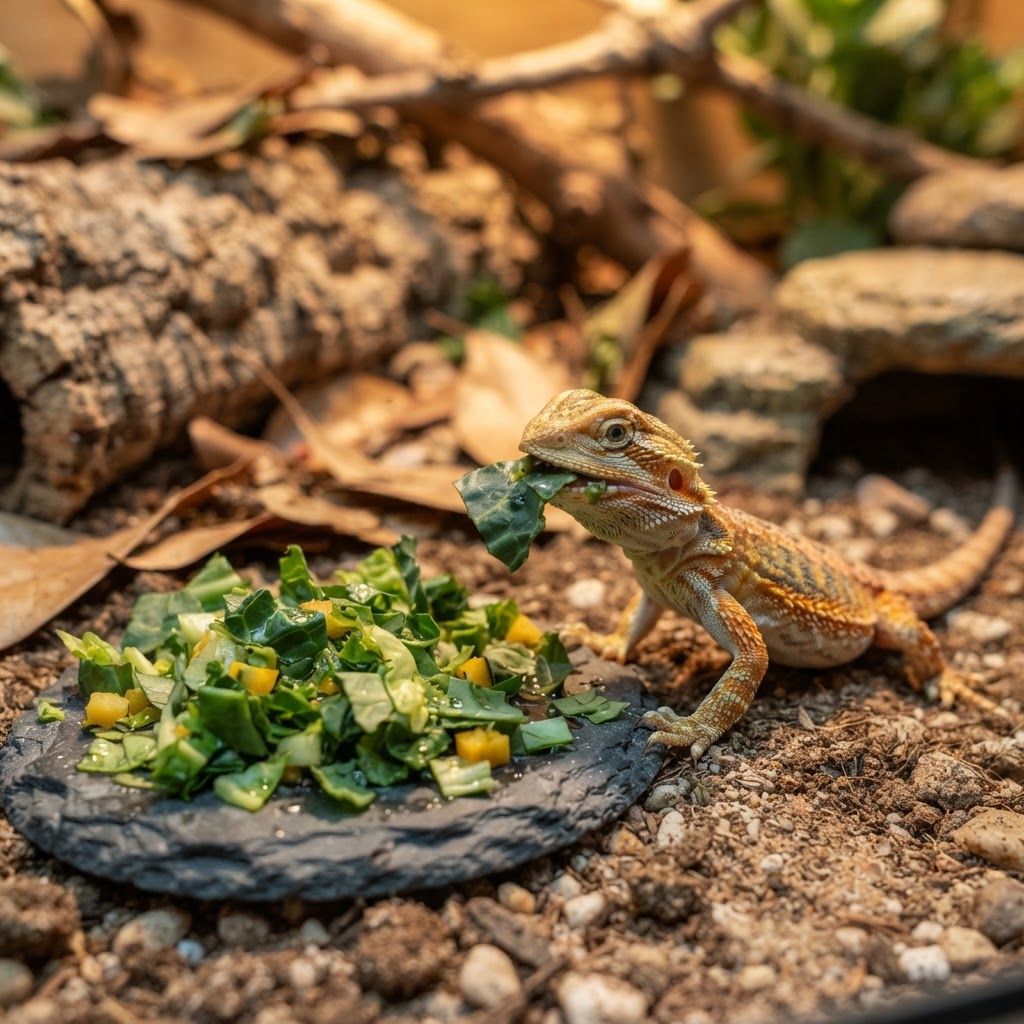
That does not mean greens are unimportant. Even babies should see fresh salad every day so they start recognizing plant foods early. But for most dragons under a year old, insects will still do the heavy lifting nutritionally. The goal is not just filling their stomachs. The goal is offering insects that are digestible, nutritious, safe in size, and varied enough to reduce boredom and nutritional gaps.
Best Insects For Baby Bearded Dragon Diets: Top Picks
Not every feeder insect is equally useful for babies. Some are excellent everyday staples, some work better in rotation, and some are occasional treats only. Here is a beginner-friendly comparison.
| Insect | Best for | Main strengths | Watch out for | |---|---|---|---| | Dubia roaches | Primary staple | High protein, easy to keep, less odor, soft enough for babies when small | Can be pricier upfront | | Crickets | Primary staple | Active movement triggers feeding, widely available, affordable | Smell, noise, escape risk | | Black soldier fly larvae | Rotation staple | Naturally calcium-rich, small, easy to digest | Small size means babies may need many | | Silkworms | Rotation staple | Soft-bodied, nutritious, hydrating | Higher cost, less available locally | | Small hornworms | Occasional rotation or treat | Excellent hydration, enticing movement | Can cause loose stools if overfed |
Dubia roaches
For many keepers, Dubia roaches are the single easiest staple feeder to manage. They are nutritious, do not smell as strongly as crickets, do not chirp, and are easier to contain. For babies, choose very small nymphs only. A good starting size is usually around 1/4 inch, though the right size always depends on your dragon's head width.
Dubias are also convenient to gut-load because they readily eat dark leafy greens, squash, and quality feeder diets. If you are deciding between staple options, Dubias are often the best blend of nutrition, convenience, and cleanliness. If you want a deeper comparison, read about the differences between crickets and Dubia roaches.
Crickets
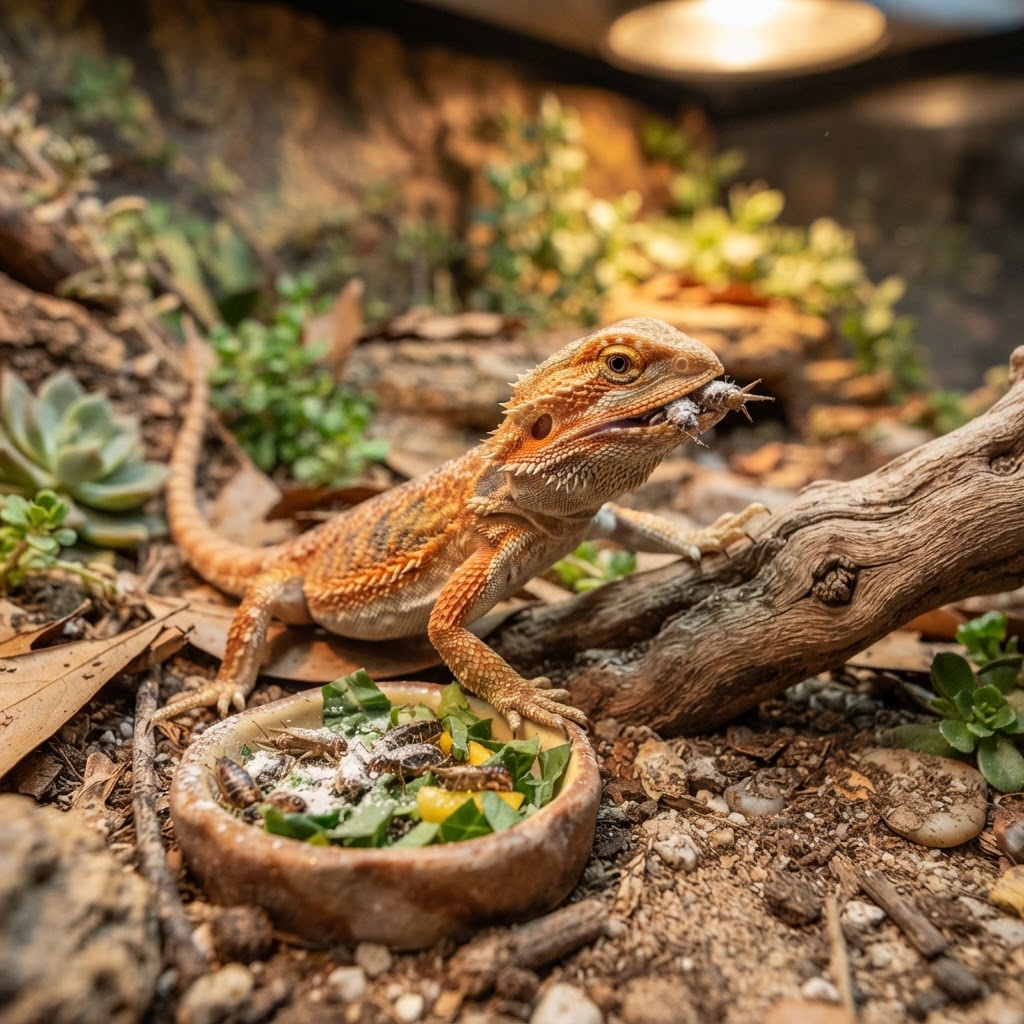
Crickets remain a classic feeder for one simple reason: baby beardies love chasing them. Their quick movement often triggers a strong feeding response, which makes them especially useful for new arrivals that are still settling in.
They are usually affordable and easy to find at chain pet stores and reptile shops. The downsides are real, though. Crickets can smell, jump out, die off quickly if poorly kept, and stress your dragon if left in the enclosure after feeding. Buy only small sizes, feed in a controlled session, and remove leftovers after 10 to 15 minutes.
Black soldier fly larvae
Black soldier fly larvae, often sold under names like Phoenix worms or calcium worms, are one of the most beginner-friendly rotation feeders available. They are soft-bodied, naturally high in calcium, and small enough for younger babies to manage.
Because they are tiny, a growing dragon may eat quite a few in one sitting. That is normal. They are especially helpful for dragons that need a softer feeder or for keepers who want an easy no-jump, no-chirp option. I like them best as part of a rotation rather than the only feeder, but they absolutely deserve a regular place in many baby diets.
Silkworms
Silkworms are an excellent feeder that many beginners overlook. They have a soft body, decent protein, and extra moisture, which makes them gentle on a young digestive system. They can be a great choice during shed cycles or for babies that seem slightly dry or less interested in crunchy feeders.
Their main drawback is availability. Depending on where you live, silkworms may cost more or be harder to find than crickets or roaches. If you can get them consistently, they are one of the nicest rotation feeders for dragons under a year old.
Small hornworms
Hornworms are bright, active, and very hydrating, so many baby dragons go after them immediately. That makes them useful for encouraging appetite or adding moisture to the diet. However, they are not my top everyday staple for babies.
Use only small hornworms for young dragons, and offer them in moderation. Too many can lead to loose stools because of their high water content. Think of hornworms as a smart rotation feeder or occasional treat, not the foundation of the diet.
Insects to Limit or Avoid
Some feeders are popular in stores but are not ideal for very young bearded dragons.
Mealworms and superworms
These are usually too hard-shelled for the smallest babies and can be more difficult to digest. Older juveniles may handle them better in moderation, but for young dragons, softer feeders are safer. Superworms should also never be offered to tiny babies because they can bite.
Waxworms and butterworms
These are very fatty and should be treated like candy. They can be useful for underweight dragons or picky eaters in specific situations, but they are not healthy staples.
Wild-caught insects
Never feed insects you catch outside. They may carry parasites or have been exposed to pesticides. Fireflies are especially dangerous and should always be avoided.
Oversized feeders
Even a nutritious insect becomes risky if it is too large. Follow the classic rule: the insect should be no longer than the space between your dragon's eyes. For babies, this size rule matters more than the brand, species, or price.
How Much and How Often to Feed Baby Bearded Dragons
Feeding volume changes quickly during the first year, so do not worry if your routine looks different in a few months.
0 to 3 months
Offer 2 to 3 live insect meals per day, plus a small salad daily. Let your dragon eat as many appropriately sized insects as it wants in about 5 to 10 minutes. Some babies may eat 20 to 50 small feeders a day, sometimes more during growth spurts.
4 to 6 months
Most dragons still do well with 2 insect meals daily, along with fresh greens every day. Appetite may stay very strong, but you can begin paying closer attention to body shape and stool quality instead of just feeding by enthusiasm alone.
7 to 12 months
As dragons move toward juvenile size, many keepers shift to 1 to 2 insect meals per day while increasing the importance of vegetables. Some larger juveniles may even start transitioning toward fewer insect sessions, depending on growth, activity, and veterinary guidance.
The most important point is consistency. A baby that eats eagerly, grows steadily, and passes normal stools is usually on the right track.
How to Prepare Insects the Right Way
Choosing good feeders is only half the job. Preparation matters just as much.
Gut-load for 24 to 48 hours
Feed your insects nutritious foods before offering them to your dragon. Good gut-load choices include collard greens, mustard greens, dandelion greens, squash, and small amounts of carrot. This improves the nutritional value of the insects significantly.
Avoid relying on random scraps or low-quality foods. A feeder that has been living on poor food is much less valuable nutritionally.
Dust with calcium and vitamins
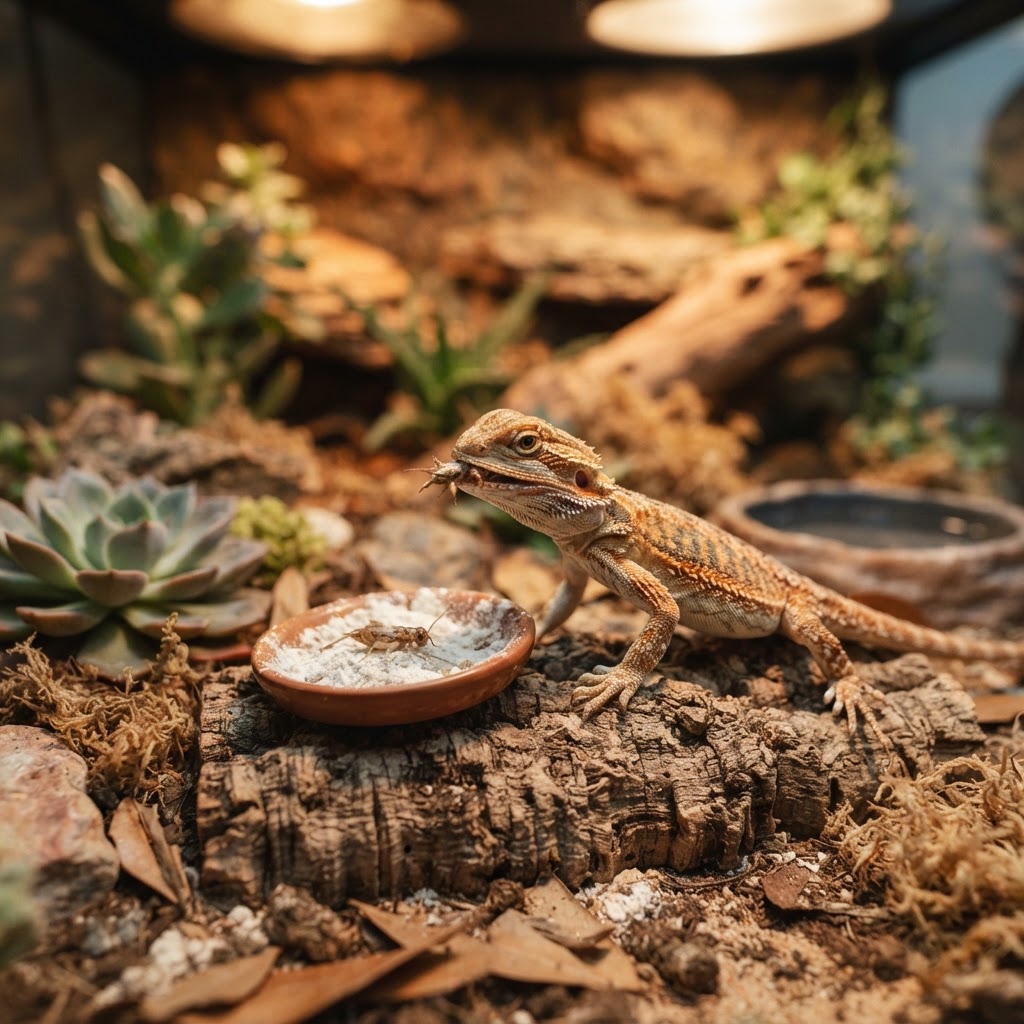
Most baby bearded dragons need calcium powder on feeders several times per week, and many need it more often during rapid growth. A common beginner routine is calcium on 5 feedings per week and a reptile multivitamin on 1 to 2 feedings per week, but always follow your reptile vet's advice and the supplement label.
If your baby is not getting strong, appropriate UVB, no supplement routine will fully make up for it. Calcium and lighting work together.
Feed in a controlled way
Use a feeding bin, smooth-sided bowl, or careful hand-off with tongs for worms and roaches when possible. This helps you track intake and reduces the chance of insects hiding in the enclosure. Crickets especially should not be left wandering around for hours.
Watch your dragon's response
The best insects for baby bearded dragon diets are the ones your dragon can digest well, eat safely, and receive consistently. Watch for signs like steady growth, alert behavior, firm stools, and a rounded but not bloated body shape. If a feeder causes repeated loose stools, constipation, or refusal, adjust the rotation.
How to Build a Simple Insect Rotation
You do not need five different feeder species every day. In fact, a simple plan is often easier to maintain. For most owners, the best insects for baby bearded dragon diets come from a rotation built around one or two staples with one or two softer backup feeders.
A practical weekly approach might look like this:
- Use Dubia roaches or crickets as the main staple on most feeding days.
- Add black soldier fly larvae a few times per week for variety and extra calcium.
- Offer silkworms once or twice per week if available.
- Use small hornworms occasionally for hydration and appetite stimulation.
This kind of rotation is realistic, beginner-friendly, and much easier to shop for than chasing every feeder insect on the market.
Final Thoughts
When new owners ask about the best insects for baby bearded dragon diets, I usually give a simple answer: start with small Dubia roaches or crickets, add black soldier fly larvae and silkworms when you can, and use hornworms as a helpful extra rather than the main meal. Keep the feeders small, gut-loaded, and dusted correctly, and your baby beardie will have a strong nutritional foundation for healthy growth.
Frequently Asked Questions
Are Dubia roaches better than crickets for babies?
Often, yes. Dubia roaches are easier to contain, less smelly, and very nutritious. But crickets can still be an excellent staple, especially for babies that love chasing fast-moving prey. The better choice is the one you can source consistently in the right size and keep in healthy condition.
Can baby bearded dragons eat mealworms?
Very small babies should generally avoid mealworms because their tougher shells can be harder to digest. Older juveniles may tolerate them in moderation, but they are still not my favorite feeder for dragons in the first year compared with softer-bodied options.
How many insects should a baby bearded dragon eat per day?
There is no perfect fixed number because appetite varies by age, growth rate, feeder type, and individual metabolism. Young babies may eat dozens of tiny insects per day, while older juveniles eat fewer. Focus on age-appropriate feeding sessions, proper body condition, and steady growth rather than chasing an exact number.
Do I need to dust insects every single feeding?
Not always, but babies do need regular supplementation. Many keepers use calcium on most weekly insect feedings and a multivitamin once or twice weekly. Exact schedules vary depending on UVB quality, diet variety, and your veterinarian's recommendations.
Can I feed only one type of insect?
You can raise a healthy baby on one good staple for short periods, but a rotation is usually better. Variety can improve enrichment, reduce pickiness, and help smooth out nutritional gaps. Even rotating between two staple feeders is a solid improvement over using just one forever.
What should I do if my baby refuses insects?
First check basics: enclosure temperatures, UVB strength, stress, shedding, and feeder size. Babies often refuse insects that are too large, too cold, or unfamiliar. Try a more active feeder like crickets or a softer option like black soldier fly larvae. If your baby keeps refusing food, seems lethargic, loses weight, or shows abnormal stools, contact a qualified reptile vet promptly.
Is it okay to buy feeder insects in bulk?
Yes, if you can store and care for them properly. Bulk buying often saves money, especially with roaches and larvae, but only purchase what you can keep alive, gut-load well, and use before they outgrow your baby. For beginners, a smaller rotating supply is usually easier to manage than a huge order.