Introduction
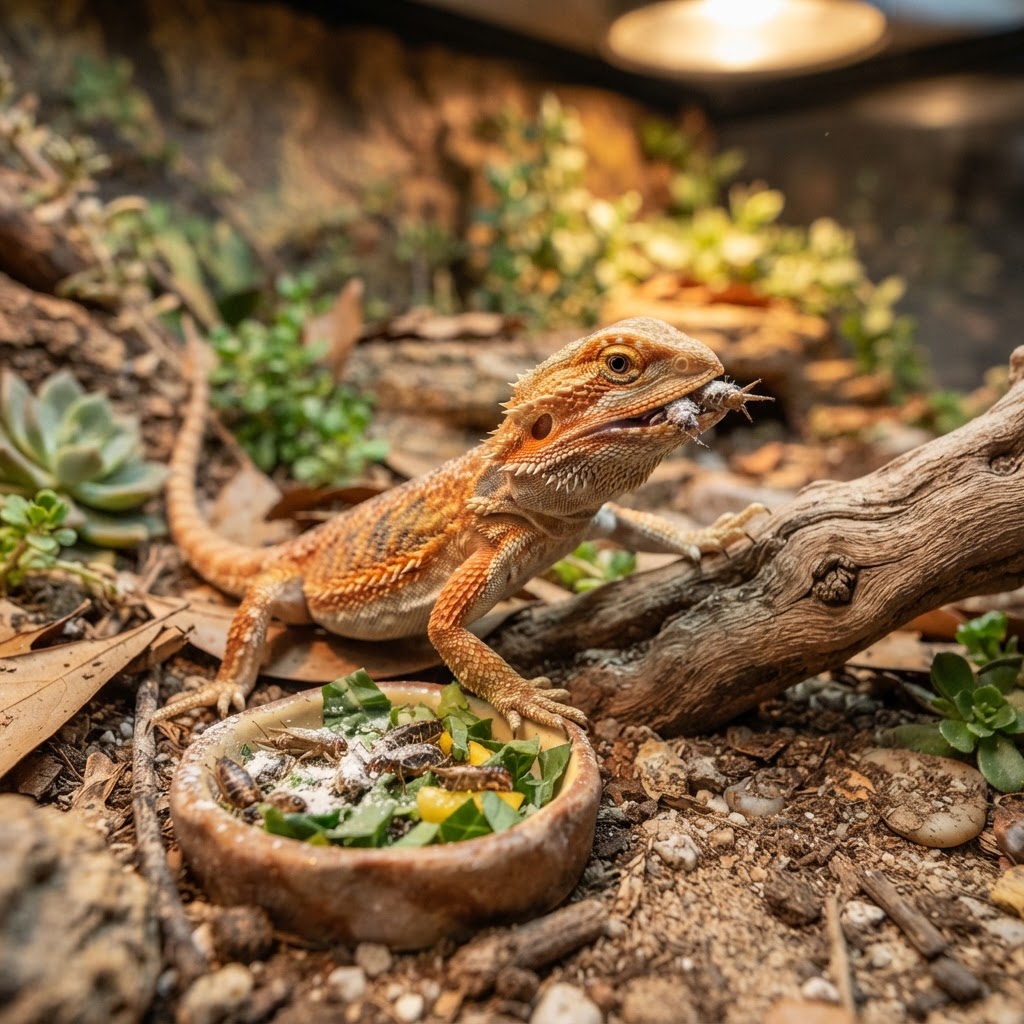
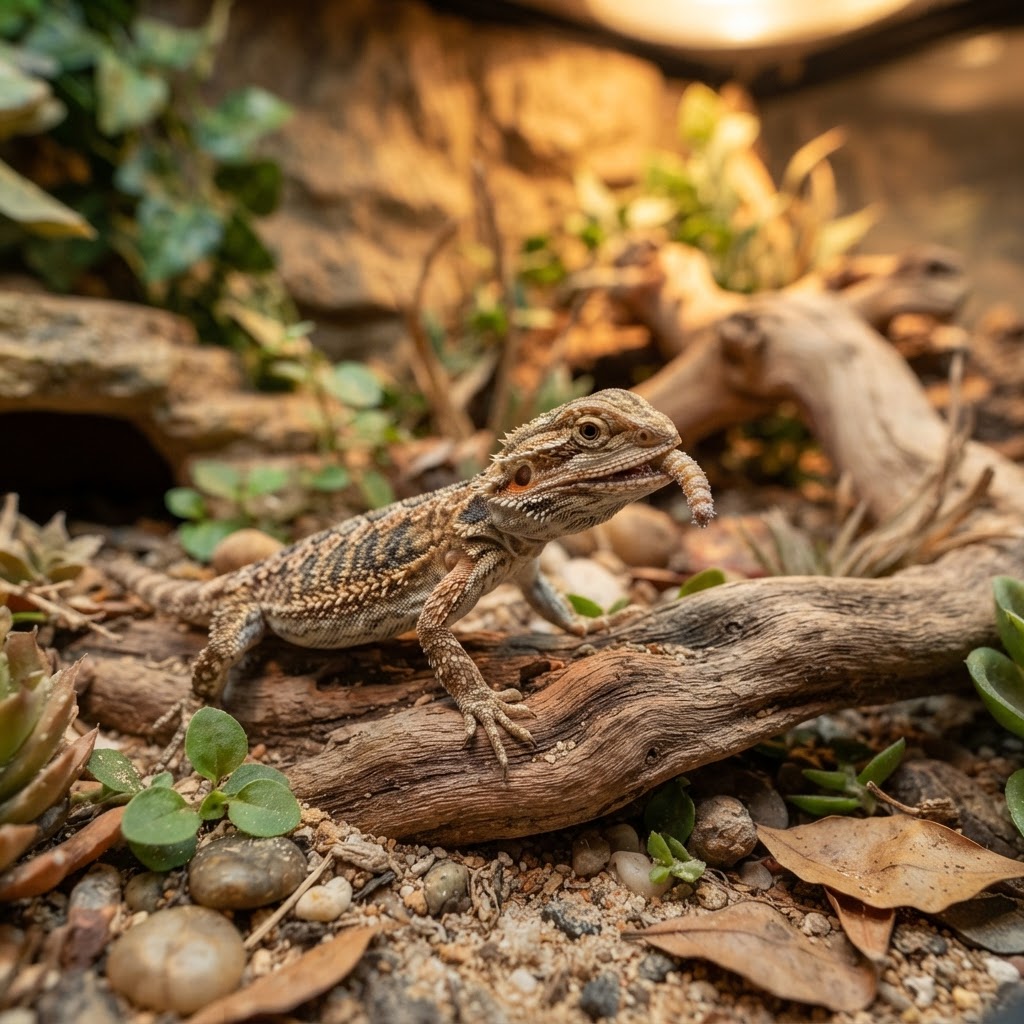
Feeding a baby bearded dragon can feel confusing at first. Most new owners quickly learn that babies need lots of protein from feeder insects, but many are less sure about vegetables, especially leafy greens. That uncertainty is completely normal. The good news is that offering the right greens early helps your baby dragon build healthy eating habits while adding important hydration, fiber, and minerals to the diet.
The best greens for baby bearded dragons are soft, nutrient-dense, and easy to digest when finely chopped. While greens will not replace insects during the first year, they should still be offered daily. Starting young makes it much easier for your dragon to accept salads later, and it supports steady growth when paired with proper heat, UVB, and supplementation.
In this guide, you will learn which greens to offer most often, which ones to limit, how to prepare them safely, and how much to feed a baby from 0 to 12 months old.
Key Takeaways
- Baby bearded dragons should eat mostly insects, but they should still be offered fresh greens every day.
- The best leafy staples are collard greens, mustard greens, turnip greens, dandelion greens, escarole, and endive.
- Rotate several greens each week instead of feeding the same salad every day.
- Avoid relying on iceberg lettuce, and limit high-oxalate greens like spinach and Swiss chard.
- Chop greens very small, remove tough stems, and serve them plain with no dressing or seasoning.
- Healthy greens work best alongside correct baby bearded dragon lighting and UVB and an appropriate calcium supplement.
Why Greens Matter for Baby Bearded Dragons
From hatchling age through the first year, baby bearded dragons are growing fast. That means they need frequent protein-rich meals, but greens still play an important role. A small daily salad helps with:
- hydration
- fiber and digestion
- calcium intake
- vitamin and mineral variety
- building long-term feeding habits
Many babies ignore greens at first, and that is not unusual. Keep offering them anyway. A dragon that sees greens every morning is more likely to start nibbling as it matures.
It also helps to understand the full baby diet, not just the plant portion. If you want a complete overview of feeders, veggies, and safe treats, read what baby bearded dragons eat.
What Makes a Green a Great Choice?
Not all leafy vegetables are equal. Some are excellent everyday staples, while others are better as occasional additions.
Good calcium-to-phosphorus balance
Bearded dragons need calcium for bone growth, muscle function, and overall development. Greens that naturally offer more calcium than phosphorus are usually better choices. This matters even more for babies, since they are growing so quickly.
Lower oxalates
Oxalates can bind to calcium and reduce how much your dragon can use. Greens that are very high in oxalates, such as spinach, should not be staples for a baby.
Moderate goitrogens
Some greens contain compounds called goitrogens, which may interfere with thyroid function if fed heavily and exclusively. This does not mean all goitrogen-containing greens are bad. It simply means rotation matters.
Soft texture and easy digestion
Babies do best with tender leaves that can be chopped into tiny pieces. Tough, stringy, or overly dry greens are harder for them to manage.
The Best Greens for Baby Bearded Dragons
Here are the strongest choices for a baby salad rotation.
| Green | Why it is a strong choice | How often to offer | |---|---|---| | Collard greens | High in calcium, widely available, sturdy but easy to chop | Very often | | Mustard greens | Nutritious, flavorful, encourages interest in salads | Often | | Turnip greens | Good calcium and vitamin content | Often | | Dandelion greens | Excellent nutrition and natural variety | Often if pesticide-free | | Escarole | Softer texture and good hydration | Regular rotation | | Endive | Gentle, crisp, and easy to mix into salads | Regular rotation | | Arugula | Tasty and useful for variety, but more peppery | Small amounts in rotation | | Bok choy | Safe in moderation and adds variety | Small amounts in rotation |
Collard greens
Collard greens are one of the best staples you can offer. They are rich in calcium, widely recommended by experienced reptile keepers, and easy to find in most grocery stores. When finely chopped, they make an excellent foundation for a baby salad.
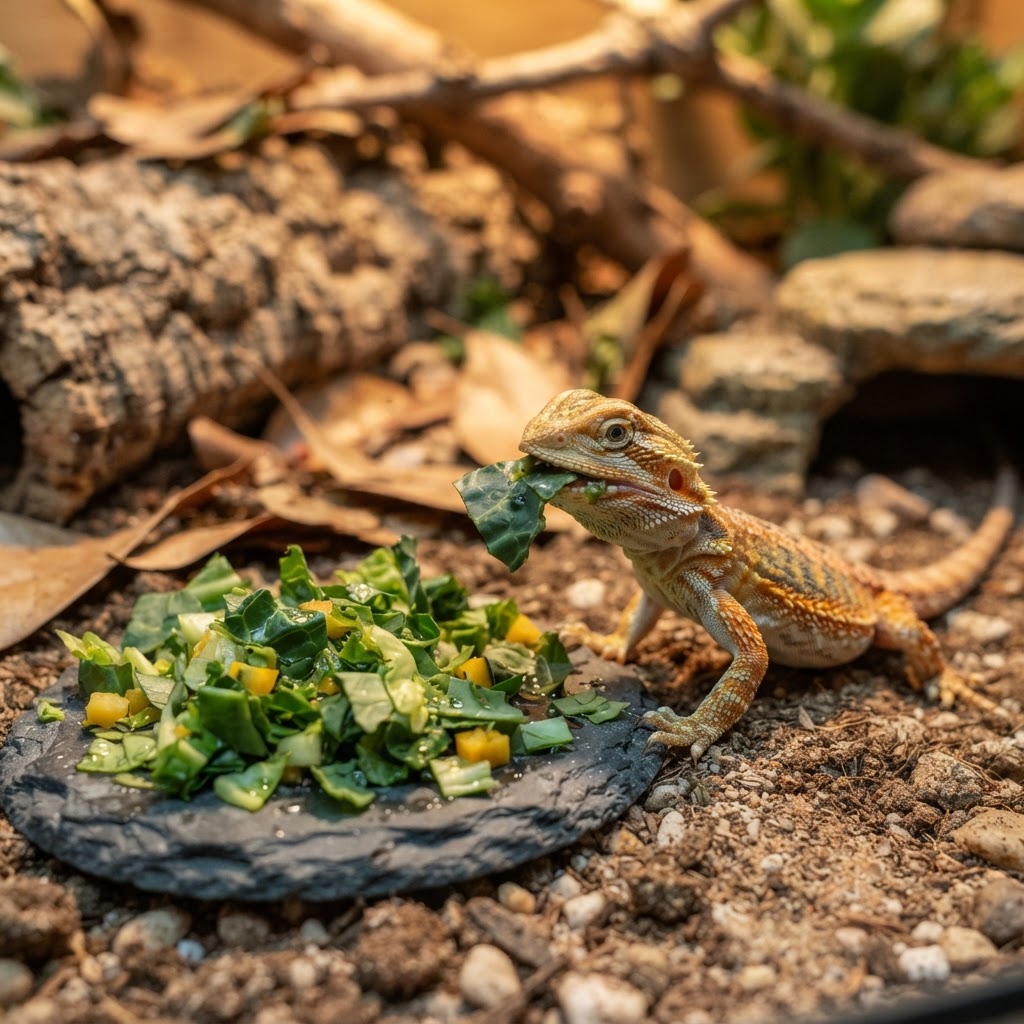
For young dragons, remove the thick center stem and cut the leaf into very small strips or squares. If your baby is hesitant, mix collards with a softer green like escarole.
Mustard greens
Mustard greens are another top option. They provide good nutrition and often have a stronger scent than milder greens, which can make them more interesting to picky babies.
Because the flavor is slightly peppery, some babies love them right away while others need time. If your dragon seems unsure, mix a small amount into collards rather than serving a full bowl of mustard greens by themselves.
Turnip greens
Turnip greens are nutrient-dense and work well in a regular rotation. They can be a little firmer than escarole or endive, so chopping them very finely is important for babies.
These are especially useful if you want more variety without moving into less ideal greens. As with other staple leaves, serve them fresh and plain.
Dandelion greens
Dandelion greens are excellent for bearded dragons when sourced safely. They offer strong nutritional value and give babies exposure to a more natural type of leafy plant.
Only use store-bought greens or dandelion leaves from areas you know have never been treated with pesticides, herbicides, or fertilizers. Never pick random weeds from roadsides, lawns, or public spaces.
Escarole
Escarole is a great choice for babies because it is softer and often easier to nibble than thicker leaves. It also adds moisture to the salad, which can help little dragons that are not big drinkers.
While escarole should not be the only green you feed, it is very useful as part of a mixed salad bowl.
Endive
Endive is similar to escarole in that it is tender, hydrating, and easy to serve in baby-sized pieces. It is a nice option when you want to add texture without making the salad too tough.
Many owners have good luck using endive to encourage the first few bites of greens.
Arugula and bok choy as rotation extras
Arugula and bok choy can both be used in moderation. They are not my first choices as staple-only greens for babies, but they are useful for variety. Arugula has a bold taste, and bok choy can be part of a balanced rotation when not overused.
Think of these as supporting players rather than the base of the salad.
Greens to Limit or Avoid
Some vegetables are technically safe in small amounts but are not ideal for frequent feeding.
Spinach
Spinach is the classic example of a green to limit. It contains high oxalates, which can interfere with calcium use. A tiny amount once in a while is unlikely to cause harm, but it should not be part of a baby's regular routine.
Swiss chard and beet greens
These are also high in oxalates and are not good staple choices for growing dragons.
Kale
Kale is often debated. It is not toxic, and it can be fed occasionally, but I would not use it as the only daily green for a baby. Rotation is safer and more balanced.
Romaine and iceberg lettuce
Romaine is better than iceberg, but both are much less nutrient-dense than the staple greens listed above. Iceberg lettuce is especially poor as a regular choice because it is mostly water and offers little real nutritional value.
Wild or treated plants
Never feed greens from unknown outdoor areas. Even a safe plant becomes dangerous if it has been sprayed or contaminated.
Unsafe add-ons
Do not add dressing, oil, seasoning, cheese, or prepared human salad toppings. Your baby dragon should get plain, fresh greens only.
How Much and How Often to Feed Greens by Age
A baby bearded dragon's diet is still mostly insects, but greens should be available daily.
0 to 3 months
Offer a small salad every morning, even if very little is eaten. At this age, insects are the main calorie source, but early exposure matters.
4 to 6 months
Keep offering daily greens and expect gradual improvement in interest. Some babies start nibbling regularly during this stage, especially if they have seen salads since they were young.
7 to 12 months
Greens become more important as your dragon approaches juvenile size. Many dragons will begin eating a more noticeable portion of their daily salad during this period.
A simple approach is to offer greens first, then feeder insects later in the day. This gives your dragon a chance to investigate the salad before filling up on bugs. For timing ideas, see this baby bearded dragon feeding schedule.
How to Prepare and Serve Greens Safely
Even the best greens for baby bearded dragons will not do much good if they are served in huge, dry pieces.
Follow these steps:
- Wash all greens thoroughly.
- Dry them so the salad does not become slimy.
- Remove thick stems and tough ribs.
- Chop leaves into pieces smaller than the space between your baby's eyes.
- Mix two or three greens together for variety.
- Place the salad in a shallow dish each morning.
- Remove wilted leftovers later in the day.
You can also lightly mist the greens for a bit of extra moisture, but do not soak them. Wet, soggy salads often get ignored.
For very picky babies, try scattering a few tiny moving feeder insects near the greens so your dragon notices the bowl. Just do not let insects hide in the salad for long periods.
Common Mistakes New Owners Make
One common mistake is assuming babies do not need greens at all. While insects are the priority, daily salad exposure is still valuable.
Another mistake is feeding only one green over and over. Variety helps reduce the risks that come from relying too heavily on any single plant.
A third mistake is chopping greens too large. Baby dragons are much more likely to eat finely cut leaves than big floppy pieces.
Finally, remember that appetite is influenced by husbandry. Poor basking temperatures, weak UVB, or stress can make even a healthy baby refuse food. If your dragon suddenly stops eating greens and insects, husbandry should be checked right away.
Signs Your Greens Routine Is Working
A good greens routine usually supports:
- steady growth
- alert behavior
- well-formed stools
- healthy hydration
- gradual interest in the salad bowl
Do not expect dramatic changes overnight. With babies, success often looks like consistent exposure, a few bites here and there, and better acceptance over time.
Frequently Asked Questions
At what age should I start offering greens to a baby bearded dragon?
Start right away. Even very young babies should see a small salad every day. They may ignore it at first, but early exposure builds familiarity and often leads to better vegetable acceptance as they grow.
What are the best greens for baby bearded dragons if mine is picky?
Start with collard greens, escarole, and endive because they are easy to chop and usually well accepted. You can then mix in small amounts of mustard or dandelion greens for extra variety and scent.
Can a baby bearded dragon live on insects only?
A baby may survive for a time on mostly insects, but that is not ideal. Daily greens help with hydration, fiber, minerals, and long-term feeding habits. It is better to build a balanced routine from the beginning.
Is kale safe for baby bearded dragons?
Kale is safe in moderation, but it is not my top staple for babies. It is better used as part of a rotation instead of being the only green offered every day.
Should I dust greens with calcium powder?
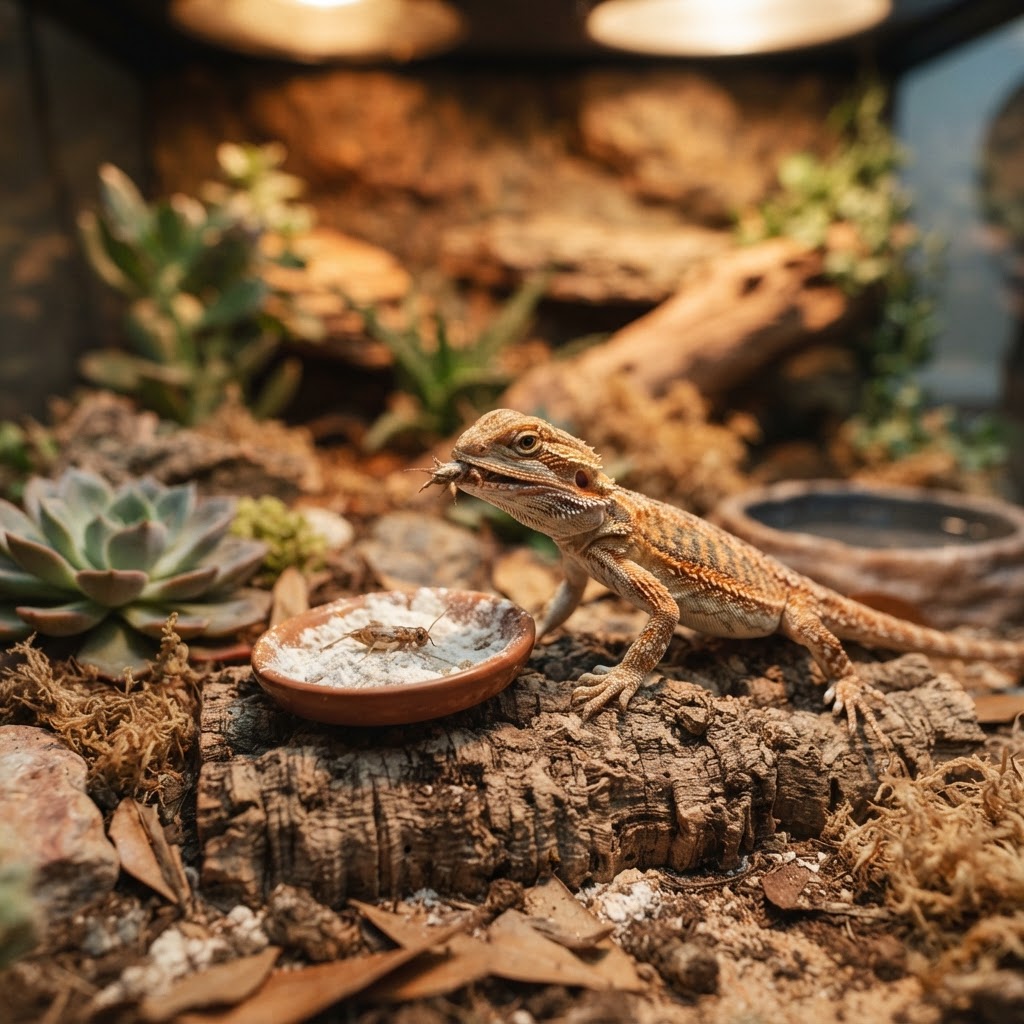
Most keepers dust feeder insects rather than the salad itself, since powders do not always stick well to dry leaves and may make the salad less appealing. Follow a vet-approved supplement routine and monitor your dragon's response.
Can baby bearded dragons eat lettuce every day?
It is better not to rely on lettuce daily, especially iceberg. Romaine is safer than iceberg, but both are less nutritious than collards, mustard greens, or turnip greens. Use nutrient-dense greens as your main base instead.
How do I get my baby bearded dragon to eat more greens?
Offer greens first thing in the morning, chop them very fine, rotate textures, and stay consistent. Babies often take time to accept vegetables. Patience and daily exposure usually work better than constantly changing the entire diet.