Introduction
Bringing home a baby bearded dragon is exciting, but it also means making dozens of setup decisions that affect your pet’s health right away. One of the most overlooked choices is what goes on the floor of the enclosure. New owners often focus on heat lamps, insects, and decor first, then realize they still need to decide between a solid-surface setup and loose bedding.
When people search for arena vs substrate for baby bearded dragons, they usually want a simple answer: what is safest, easiest to clean, and best for a young dragon that is still growing fast. The short version is this: for most babies from 0 to 12 months, a solid, non-loose floor is the better starting point.
That does not mean every loose substrate is automatically terrible forever, or that a bare-looking enclosure is the only “correct” option. It means baby dragons have special needs. They are messy eaters, still developing strong hunting accuracy, and much more vulnerable to husbandry mistakes. In this guide, I’ll walk you through the pros and cons of each option, what experienced keepers usually recommend, and how to choose the safest setup for your dragon’s age and stage.
Key Takeaways
- For most baby bearded dragons, solid, non-loose flooring is the safest and most beginner-friendly choice.
- Paper towels are excellent for new arrivals because they are cheap, easy to replace, and make it simple to monitor poop, urates, and hydration.
- Textured tile or other sealed solid surfaces can work well once your setup is stable and your baby is eating reliably.
- Loose substrate increases the risk of accidental ingestion during feeding, especially in babies that strike at insects aggressively.
- Good basking temperatures and proper UVB matter just as much as flooring when it comes to digestion and preventing health problems.
- Reptile carpet is popular, but it can trap waste, hold bacteria, and snag tiny nails.
- If you are unsure, start simple, monitor closely, and upgrade later once your dragon is older and thriving.
What Do “Arena” and “Substrate” Mean Here?
In reptile keeping, substrate usually means whatever covers the bottom of the enclosure. That can include loose materials like sand, soil blends, walnut shell, or pellets, as well as solid materials like paper towels, tile, or shelf liner.
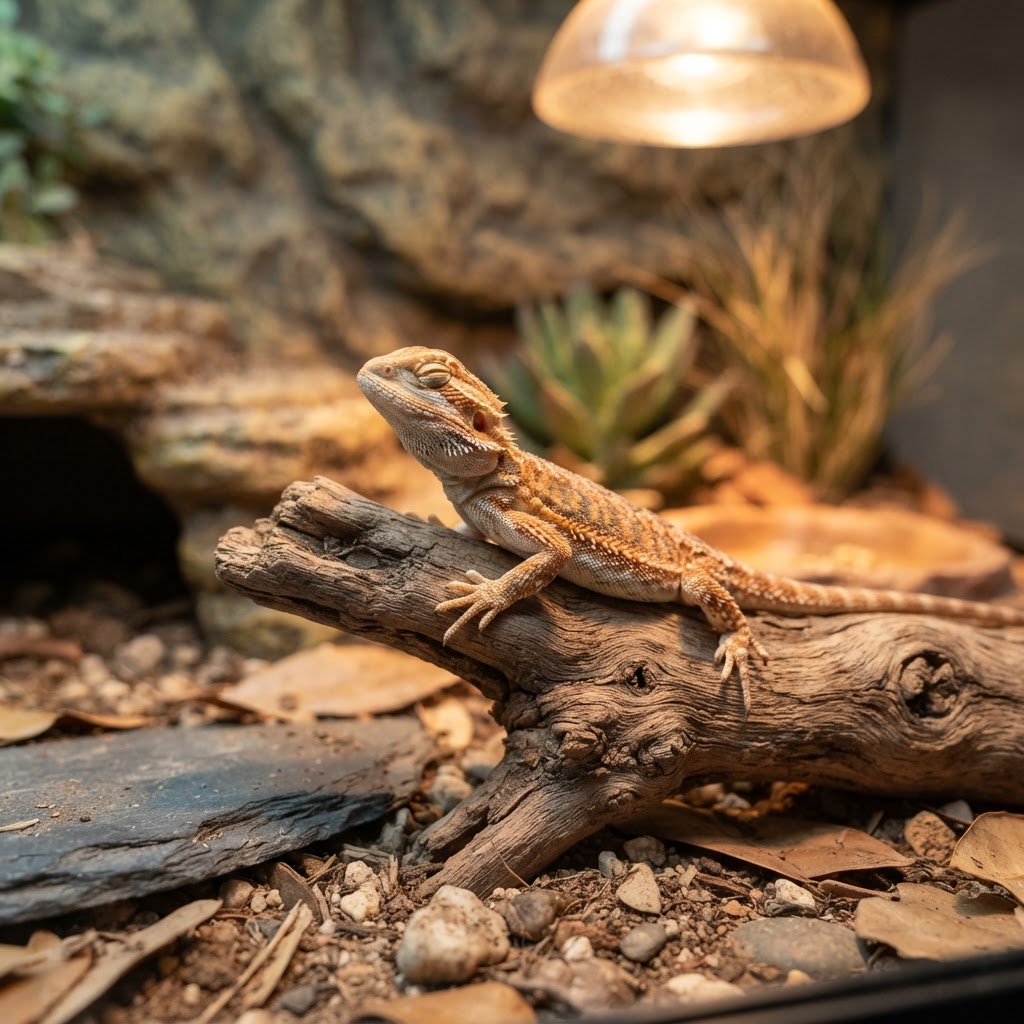
In casual discussions, some owners use arena to mean a simple open floor setup with a firm surface rather than loose bedding. In other words, the dragon has a clean “floor” to live on, move across, bask on, and hunt on. For this article, that’s the comparison we’re making: solid-surface flooring vs loose substrate.
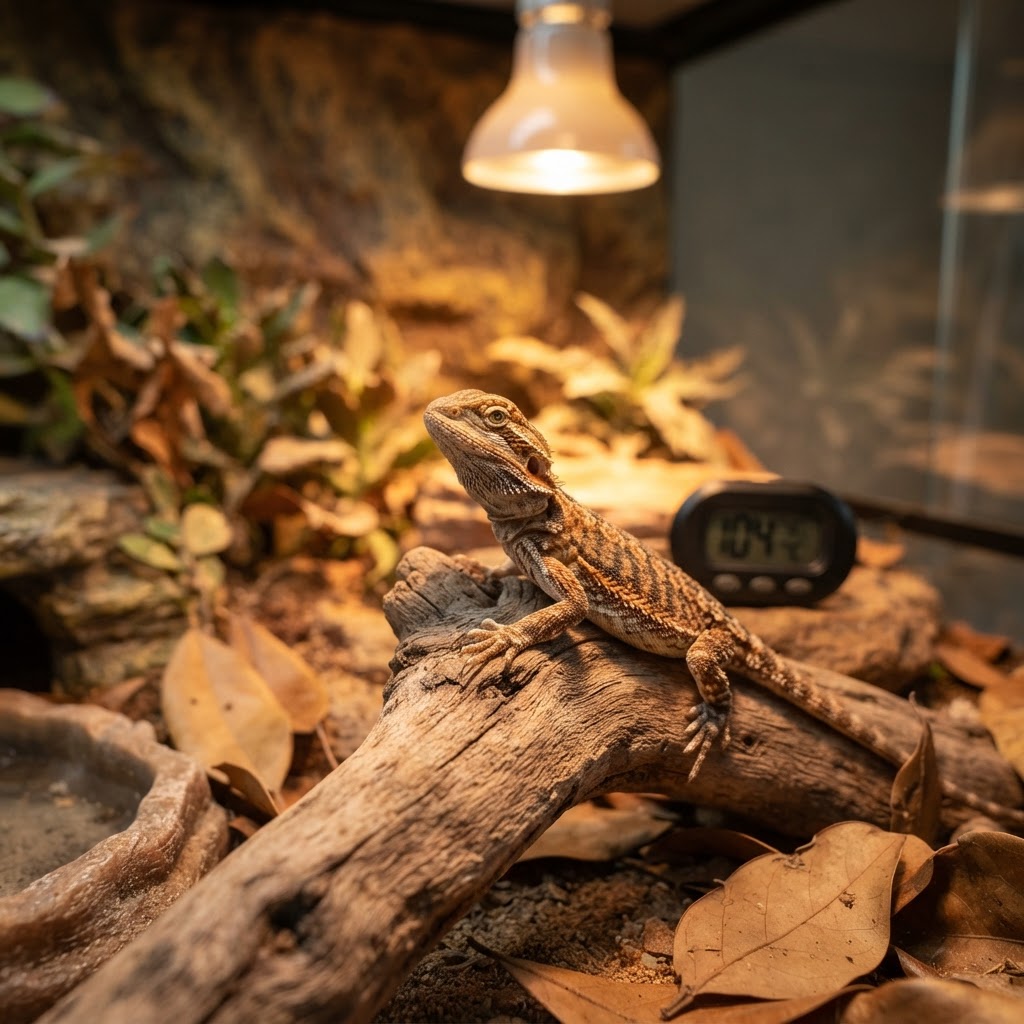
If you are still building your enclosure, it helps to read a full baby bearded dragon tank setup guide so the flooring choice fits with the rest of the habitat, not just the tank bottom by itself.
Why Baby Bearded Dragons Need a Different Approach
Adult bearded dragons can sometimes tolerate setups that are not ideal for babies. A young dragon between 0 and 12 months is smaller, more fragile, and much less forgiving of mistakes.
Babies Miss Prey More Often
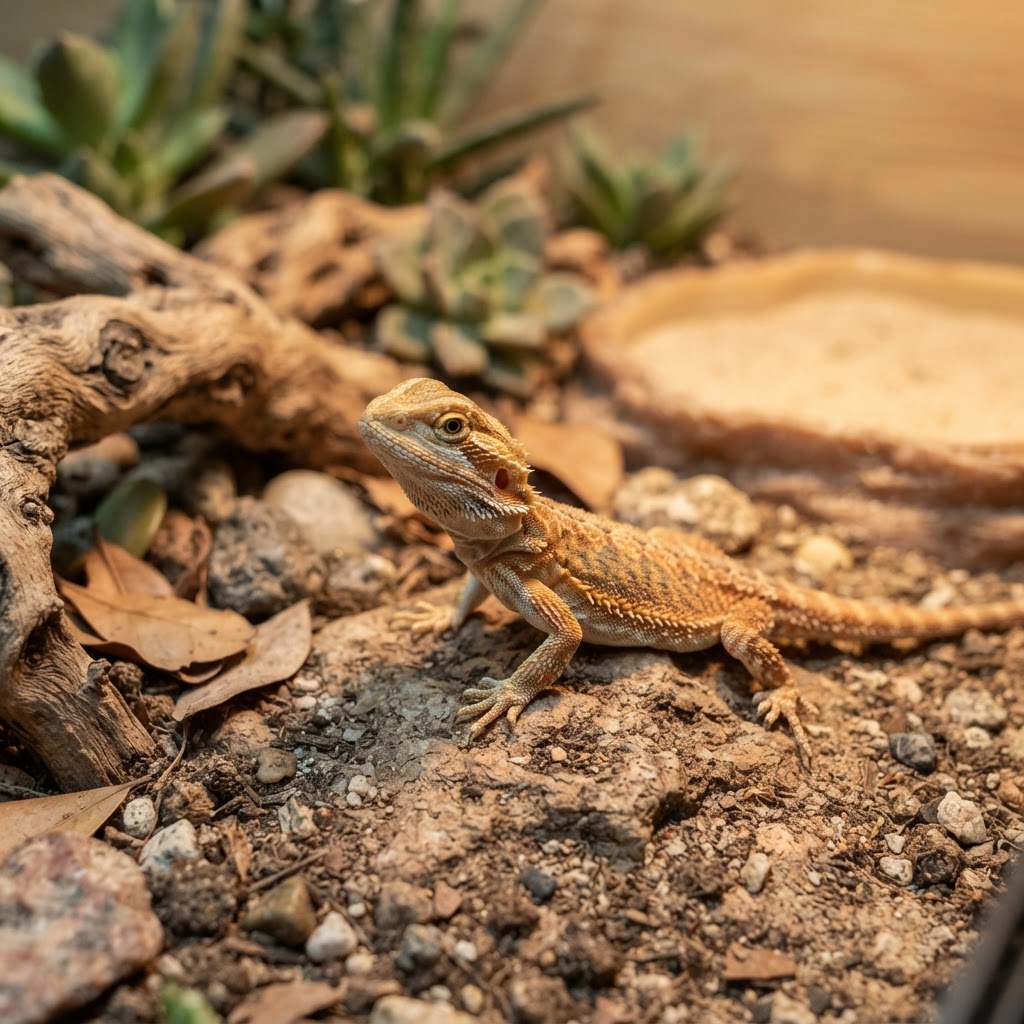
Baby bearded dragons are enthusiastic hunters. That sounds cute, but it matters when insects are running across the enclosure floor. A baby dragon may lunge at a cricket or roach and grab mouthfuls of bedding along with the insect. Repeated accidental ingestion is one of the biggest reasons many keepers avoid loose substrate for babies.
Babies Need Closer Monitoring
A young dragon can go downhill faster than an adult if something is off. You need to be able to quickly notice:
- changes in stool
- signs of dehydration
- uneaten insects
- regurgitation
- unusual lethargy
- blood, mucus, or parasites in droppings
Solid flooring makes all of that easier. On paper towels or tile, you can spot problems immediately. With loose substrate, waste can get buried or smeared, making early warning signs easier to miss.
Babies Are More Sensitive to Husbandry Errors
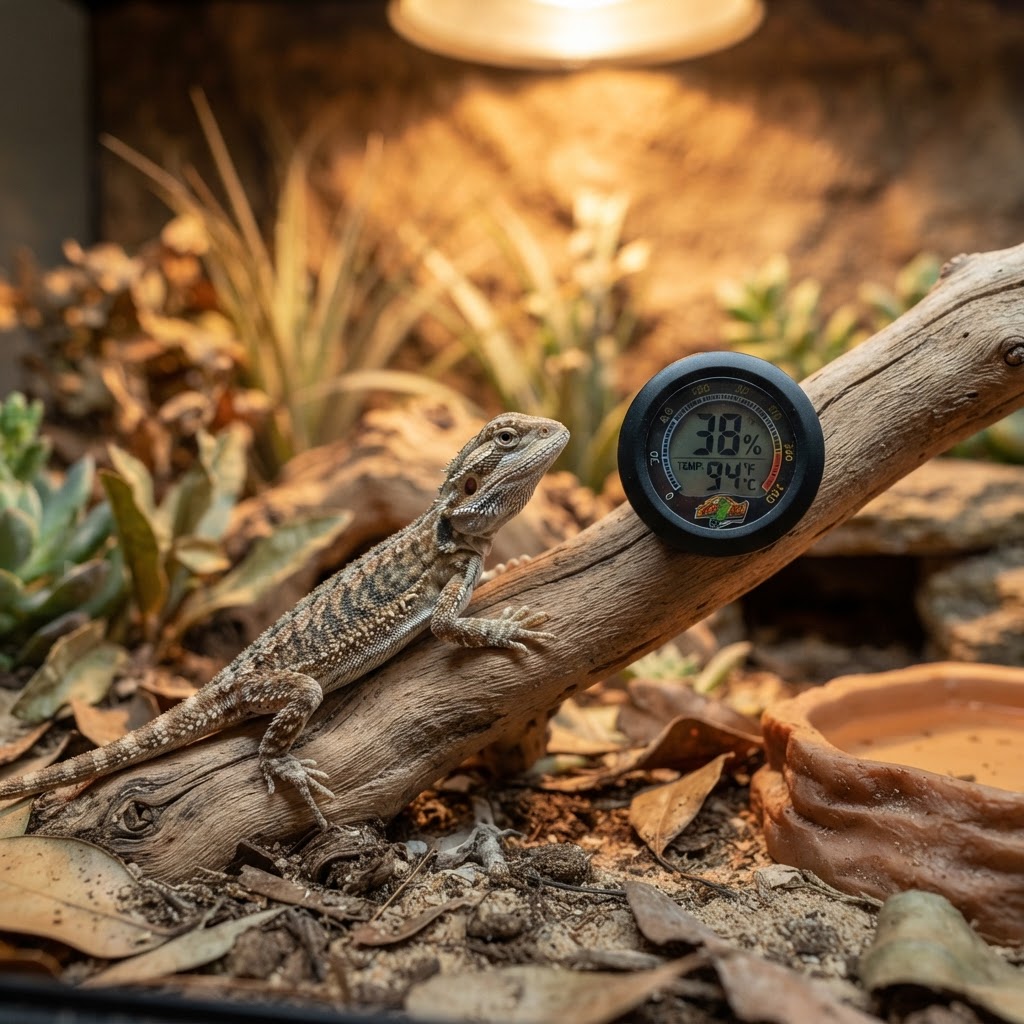
Substrate itself is only part of the story. Impaction risk rises when other things are wrong too, especially poor basking temperatures, inadequate UVB, dehydration, or illness. That is why flooring should never be considered in isolation. A safe enclosure also needs correct heat and lighting. If you have not reviewed them recently, this UVB lighting guide for baby bearded dragons is worth bookmarking.
Babies Spend More Time Eating and Growing
Young beardies eat often and grow fast. During this stage, your goal is simple: make feeding, cleaning, monitoring, and digestion as easy as possible. A complicated substrate setup usually gives beginners more variables to manage when they actually need fewer.
Arena vs Substrate for Baby Bearded Dragons: Side-by-Side Comparison
Here is the most practical comparison for beginners.
| Factor | Solid-surface setup | Loose substrate | |---|---|---| | Safety during feeding | High | Lower for babies | | Easy to clean | Very easy | Harder | | Monitor poop and health | Easy | Harder | | Risk of accidental ingestion | Low | Moderate to high | | Natural digging behavior | Limited | Better | | Cost to start | Usually low | Varies | | Best for quarantine/new arrivals | Excellent | Poor | | Beginner-friendly | Very | Less so |
A solid-surface setup wins in the areas that matter most for baby dragons: safety, visibility, and simple maintenance. Loose substrate offers a more natural look and can support digging behavior, but those benefits are usually more useful for older, established dragons than tiny babies.
The Best Choice for Most Baby Bearded Dragons
For most beginners, the answer to arena vs substrate for baby bearded dragons is straightforward: choose a solid, non-loose floor first.
My preferred approach is:
- Start with paper towels for a new baby for the first few weeks or longer.
- Use that time to confirm appetite, stool quality, shedding, and activity.
- Switch to tile or another sealed solid surface later if you want a more polished look.
This approach gives you a “clean baseline.” If your dragon stops eating, has runny stool, misses insects, or seems stressed, you can rule out the flooring as a contributing problem much faster.
It is also especially useful during the settling-in period. Many beginners worry when a new baby eats less, glass-surfs, or hides more than expected. Simple flooring removes one possible source of stress and makes it easier to troubleshoot using guides like common baby bearded dragon mistakes.
Best Flooring Options for Baby Bearded Dragons
BabyBeardedDragon.net is a participant in affiliate programs including Amazon Associates. We may earn a commission on qualifying purchases at no extra cost to you.
Paper Towels
For brand-new babies, paper towels are hard to beat.
Why they work well:
- inexpensive
- easy to replace daily
- great for quarantine
- help you track stool and urates
- no ingestion risk from loose particles
Best use case: A new baby under 6 months, a recent rescue, or any dragon that is not eating consistently yet.
Downside: They are not very attractive, and energetic babies can sometimes wrinkle them up.
Textured Ceramic or Slate Tile
Tile is one of the best long-term solid-surface options for babies and juveniles once they are stable.
Why keepers like it:
- durable
- easy to wipe down
- helps wear nails naturally
- looks cleaner and more natural than paper towels
- no loose particles to swallow
Best use case: A healthy baby or juvenile with a reliable feeding response and a well-established enclosure.
Downside: It is heavier, and smooth tile can be slippery. Choose textured tile for better traction.
Non-Adhesive Shelf Liner or Reptile Mat
A good liner can work, but it should be easy to remove and sanitize.
Pros:
- affordable
- tidy appearance
- simple spot cleaning
- softer than tile
Cons:
- can trap moisture underneath if not checked
- may scratch over time
- some mats stain or hold odor
If you use a liner, inspect it often and replace it when it becomes worn.
Reptile Carpet: Use Caution
Many pet stores recommend reptile carpet, but I do not consider it the best option for babies.
Problems with reptile carpet:
- holds bacteria and odor
- hard to sanitize completely
- can catch tiny nails or toes
- often looks cleaner than it actually is
If you already have it, keep it very clean and consider replacing it with something easier to disinfect.
Loose Substrates to Avoid for Babies
For baby bearded dragons, avoid loose materials such as:
- calcium sand
- play sand alone
- crushed walnut shell
- wood chips or shavings
- corn cob bedding
- pellet litters
- dusty loose blends
If you want a deeper breakdown of safe and unsafe options, see this guide to the best substrate for baby bearded dragons.
When Can Loose Substrate Be Considered?
This is where nuance matters. Loose substrate is not always disastrous in every situation, but babies are the life stage where mistakes are most costly.
In general, I would only consider a loose substrate later when the dragon:
- is older and sturdier
- has a strong feeding response
- has consistent normal stool
- has correct basking temperatures and UVB
- is well hydrated
- is not dealing with parasites or digestive issues
Even then, many keepers still prefer feeding insects in a bowl, separate feeder bin, or clear feeding area to reduce accidental swallowing of substrate.
If your dragon is still under 6 months, the cautious route is usually the best route. Safety now is more important than a naturalistic aesthetic.
How to Set Up the Safest Floor for a Baby Beardie
A good floor setup is simple, clean, and easy to maintain.
Step 1: Start With a Fresh, Flat Surface
Use paper towels or textured tile that lies flat. Avoid bunching, gaps, or edges your dragon can get under.
Step 2: Feed Smart
Offer insects in a way that limits frantic chasing across the enclosure floor. A smooth-sided feeding dish can help for roaches and worms. This reduces both stress and accidental substrate intake.
Step 3: Clean Daily
Spot-clean poop as soon as you see it. Replace dirty paper towels right away, or wipe tile with a reptile-safe cleaner and dry the area fully.
Step 4: Watch Mobility
Your baby should walk confidently without slipping. If the surface seems slick, add more grip by switching to textured tile or a better liner.
Step 5: Monitor Health Signals
Check appetite, stool, activity, and body condition every day. Healthy babies are alert, bask regularly, hunt eagerly, and pass normal waste. If you are unsure what healthy looks like, review these signs of healthy baby bearded dragons.
Signs the Current Flooring Is Not Working
No matter what you choose, watch your dragon’s behavior. The flooring may need to change if you notice:
- frequent slipping or splayed legs
- repeated attempts to eat the floor
- dirty, soaked, or smelly enclosure surfaces
- insects hiding in the substrate and biting your dragon
- difficulty tracking stool output
- stress during feeding time
- visible mouthfuls of loose particles when hunting
A baby dragon does not need a fancy setup. It needs a safe one.
Common Beginner Mistakes to Avoid
Choosing Looks Over Function
A natural desert-style enclosure can be beautiful, but a baby dragon’s first home should prioritize health and observation over appearance.
Assuming “Natural” Always Means “Better”
Bearded dragons come from dry, rugged environments, but that does not mean a pet baby in a glass enclosure should automatically live on loose sand. Captive conditions are different, and babies are often fed in ways that increase the chance of swallowing substrate.
Ignoring Heat and UVB
Some owners blame substrate alone for digestive problems when the larger issue is improper husbandry. Digestion depends heavily on basking temperatures and UVB exposure.
Switching Too Often
If your baby is settling in well on paper towels or tile, there is no need to rush a change. Stability reduces stress.
Final Thoughts
If you still feel torn about arena vs substrate for baby bearded dragons, choose the option that makes care easier, not harder. For nearly every new owner, that means starting with a solid, non-loose floor such as paper towels or textured tile.
You can always make the enclosure look more natural later. Right now, your baby needs secure footing, clean feeding conditions, and a setup that lets you notice health changes quickly. Start simple, learn your dragon’s habits, and upgrade only when you are confident the basics are fully dialed in.
Frequently Asked Questions
Is sand ever safe for a baby bearded dragon?
For most babies, sand is not the best choice. Even if some adult dragons do fine on certain sand or soil mixes, babies are more likely to accidentally swallow it while hunting insects. A solid floor is safer during the first year.
What is the safest substrate for a 2-month-old bearded dragon?
Paper towels are usually the safest option for a 2-month-old baby. They are clean, cheap, easy to replace, and allow you to monitor stool and hydration very closely.
Can baby bearded dragons live on tile?
Yes, textured tile is an excellent option for many baby bearded dragons. It is easy to clean, prevents accidental ingestion of loose particles, and gives better traction than very smooth surfaces.
Is reptile carpet good for baby beardies?
It is common, but not ideal. Reptile carpet can trap waste and bacteria, and tiny nails can snag in the fibers. If you use it temporarily, clean it thoroughly and inspect it often.
Does loose substrate always cause impaction?
No, not always. Impaction usually involves multiple factors, including swallowed material, poor basking temperatures, weak UVB, dehydration, or illness. Still, loose substrate increases risk for babies, which is why many keepers avoid it during the first year.
When should I switch from paper towels to something else?
Switch only after your baby is eating well, pooping normally, shedding without issues, and using the enclosure confidently. Many keepers move to textured tile once the dragon is settled and husbandry is consistent.
What if my baby already came with loose substrate?
You can switch to a safer solid surface right away. Make the change gently, keep the enclosure temperatures stable, and monitor appetite and behavior for a few days. Most babies adjust quickly when the rest of the setup is correct.