Introduction
Bringing home a baby bearded dragon is exciting, but it can also feel a little intimidating. New owners often ask the same question: How do I know if my baby beardie is actually healthy? The good news is that healthy babies usually give you plenty of clues. Their eyes, appetite, growth, movement, skin, and bathroom habits all tell a story.
Learning the signs of healthy baby bearded dragons is one of the best things you can do during the first year. Babies from 0 to 12 months grow quickly, eat often, shed more than adults, and can change fast if something in their setup is off. That means catching small issues early matters a lot.
In this guide, I’ll walk you through the most reliable health signs to watch for, what is normal for a baby bearded dragon, and when a “maybe” turns into a reason to call a reptile vet. If you’re brand new to beardie care, don’t worry. We’ll keep this simple, practical, and beginner-friendly.
Key Takeaways
- Healthy baby bearded dragons are usually alert, bright-eyed, and interested in their surroundings.
- A strong appetite, steady growth, and regular bowel movements are some of the clearest signs of good health.
- Baby beardies should bask, move normally, and show good coordination when walking and climbing.
- Clean skin, normal shedding, and a filled-out body shape suggest your dragon is developing well.
- Good hydration shows up in clear eyes, normal urates, and skin that doesn’t look wrinkled or dry.
- Sudden lethargy, weight loss, wheezing, black beard, refusal to eat, or diarrhea are warning signs that need closer attention.
Why it’s important to know what “healthy” looks like
Many beginner owners wait until something looks obviously wrong before taking action. The problem is that reptiles are very good at hiding illness. By the time a baby bearded dragon looks weak, thin, or inactive, the issue may have been building for days or even weeks.
That’s why it helps to focus on patterns instead of one moment. A healthy baby may have an off day, skip a meal during a shed, or seem grumpy after a stressful move. But over time, you should still see normal baby behavior: regular eating, active basking, curiosity, and growth.
If you are still working on your care routine, it also helps to review basics like diet and enclosure setup. Good health starts with correct husbandry, especially temperature, UVB, hydration, and food quality. For a diet overview, check out what baby bearded dragons eat, and for lighting basics, read baby bearded dragon UVB lighting.
Signs of healthy baby bearded dragons to watch for
The best way to spot problems early is to know what normal looks like every day. The signs of healthy baby bearded dragons are usually easy to notice once you know where to look. Try checking your dragon at the same time each day, such as in the morning after lights come on and again during feeding.
Bright eyes, alert posture, and curiosity
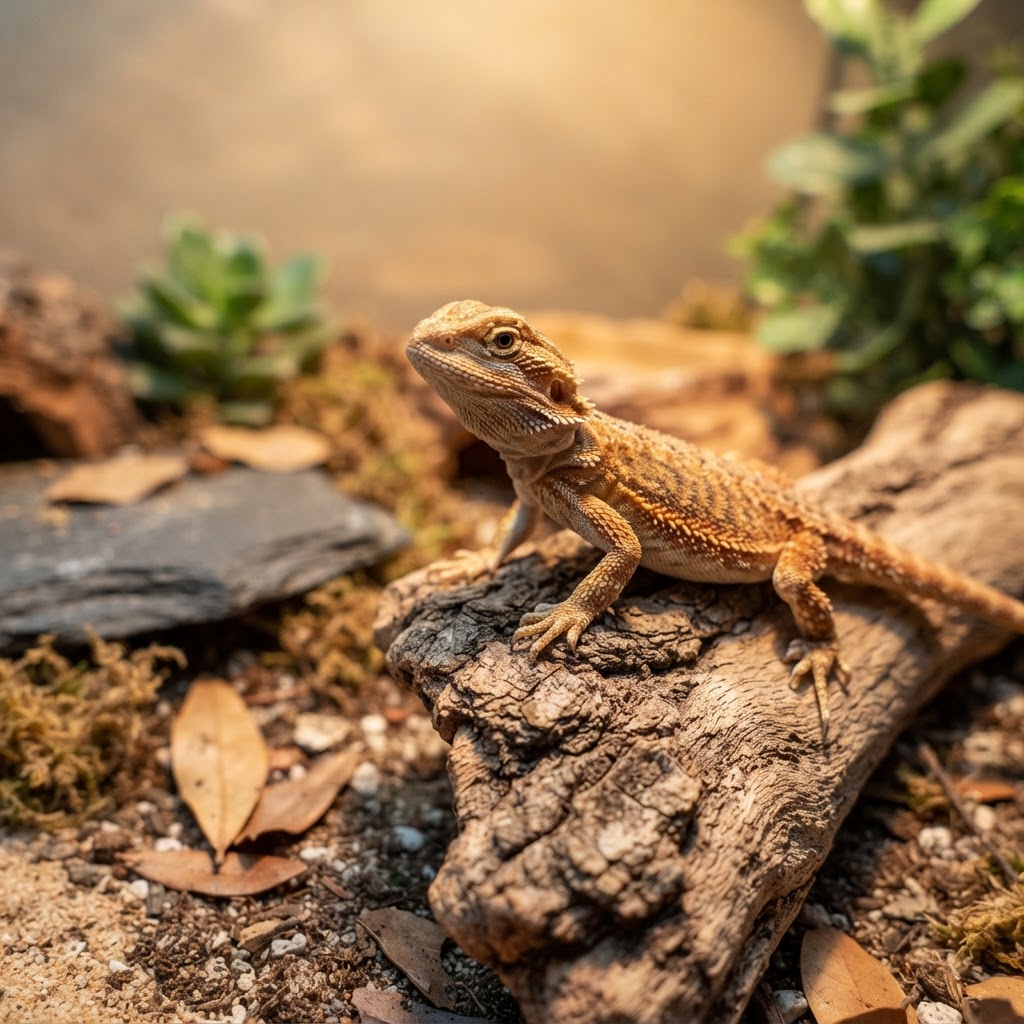
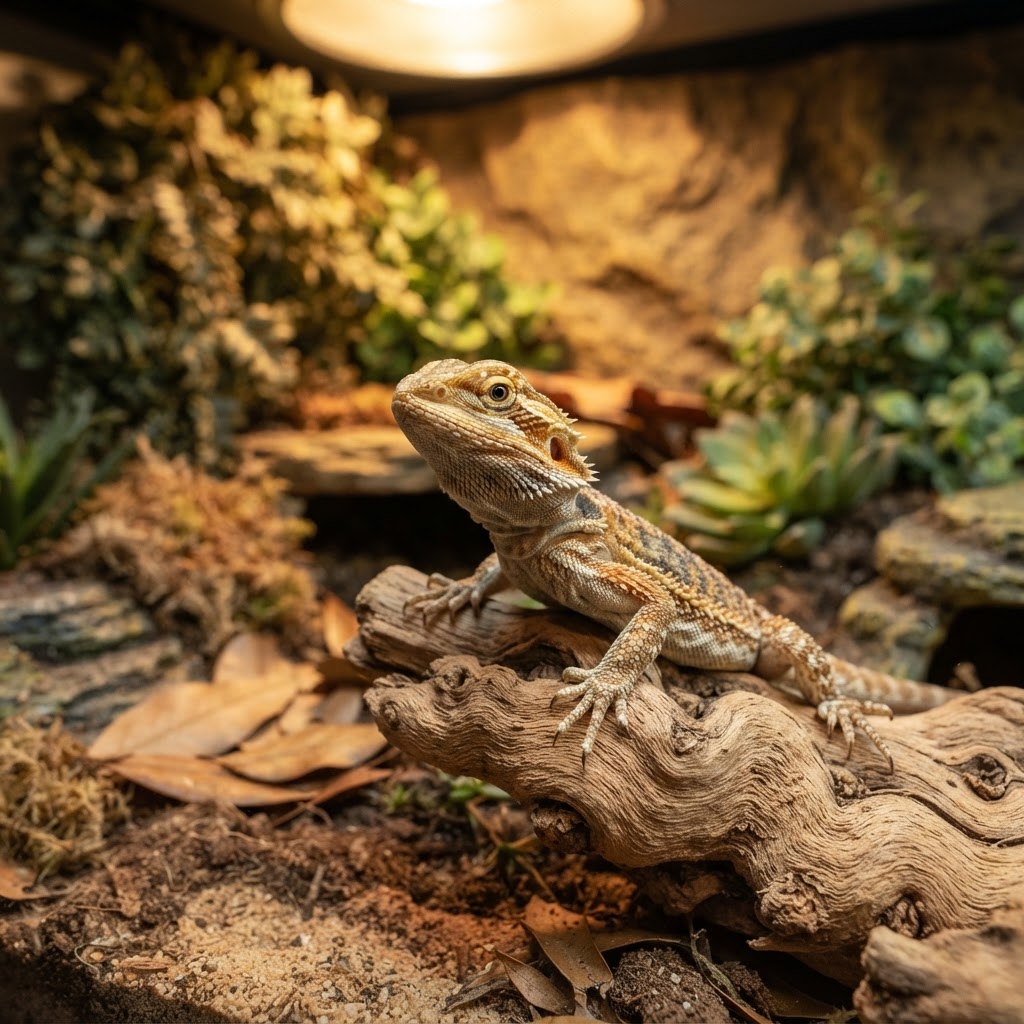
A healthy baby beardie usually looks awake and engaged when it is warm and active. The eyes should be clear, open, and bright, not sunken, crusty, or closed for long periods during the day. Your dragon should also hold itself up normally when standing or walking rather than looking limp or flattened all the time.
Curiosity is another great sign. Babies often watch movement outside the tank, track insects, climb onto basking areas, and explore their space. Some are calmer than others, but most healthy babies show interest in what is happening around them.
What to look for:
- Eyes are clear and fully open when awake
- Head is held up normally
- The dragon reacts to movement and food
- It explores, basks, and changes position during the day
A one-time lazy afternoon is not always a problem. But if your baby stays sleepy, hides all day, or keeps its eyes closed regularly, that is not typical healthy behavior.
A strong appetite and interest in food
Baby bearded dragons are growing fast, so they usually eat with enthusiasm. Most healthy babies show a clear feeding response, especially to appropriately sized live insects. They may chase prey quickly, focus on movement, and eat several times a day depending on age.
Appetite can vary a little during shedding, after transport, or during routine changes. Still, a generally healthy baby should return to eating well once settled. Along with insects, babies should also be offered finely chopped greens so they learn to recognize plant food early.
Healthy appetite signs include:
- Quick interest when food appears
- Good accuracy when hunting insects
- Regular eating across the week
- Gradual acceptance of greens
If your dragon suddenly stops eating, check husbandry first. Low basking temperatures or weak UVB often reduce appetite fast in babies. If feeding has been inconsistent, compare your routine with normal developmental needs. You can also monitor growth using this guide to baby bearded dragon growth rate.
Steady growth and a well-filled body shape
One of the clearest signs of healthy baby bearded dragons is steady growth over time. Babies do not stay tiny for long. In the first year, especially the first several months, you should expect visible development in length, weight, and body structure.
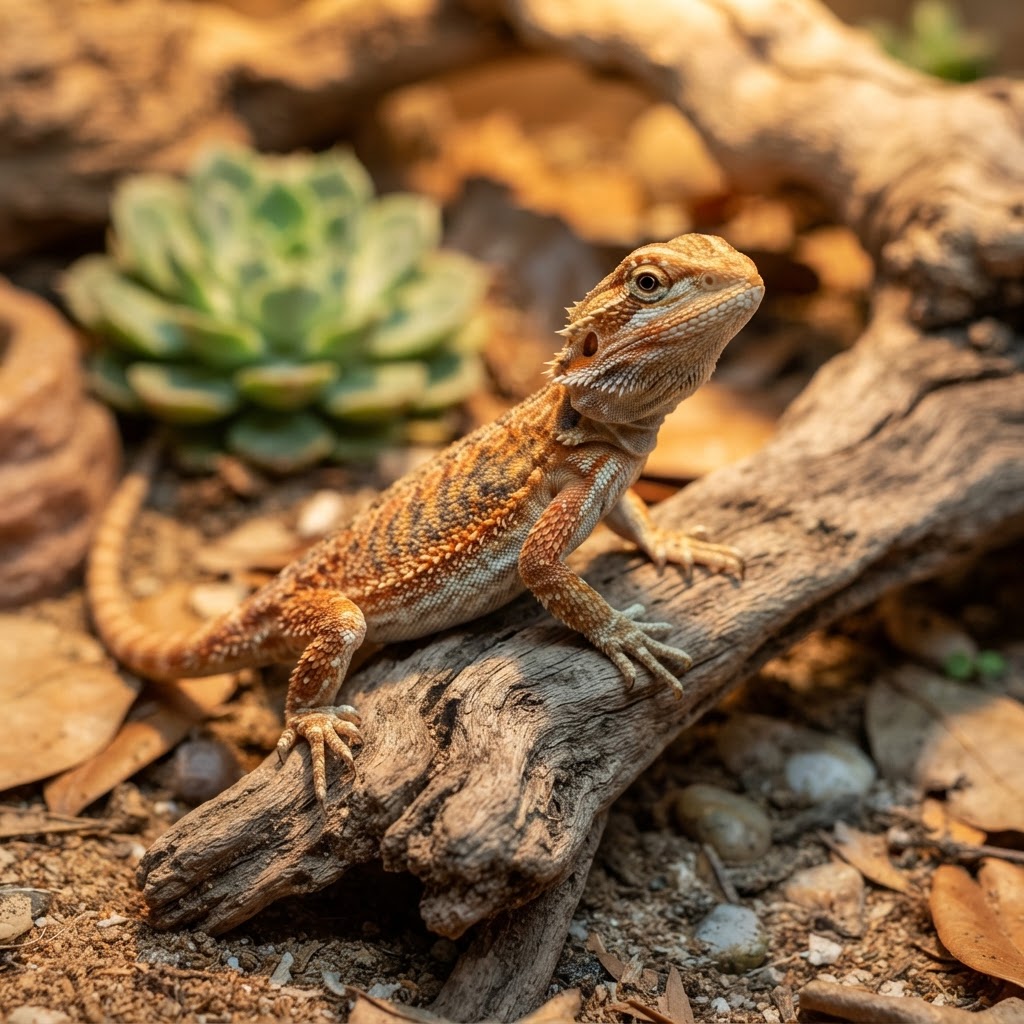
A healthy baby should look lean but not bony. The tail base should not appear stick-thin, the hips should not jut out sharply, and the head should not look oversized compared with an extremely skinny body. You want a dragon that looks proportional and lightly muscular, not round and overweight or narrow and fragile.
A simple way to track health is to weigh your dragon weekly and keep notes. Also take a quick photo every two weeks from the top and side. This makes small changes much easier to spot.
Good body condition usually looks like this:
- Tail base has some thickness
- Limbs look strong and symmetrical
- Jaw appears aligned and firm
- The body is filled out without looking bloated
- Growth is gradual and consistent, not stalled for long periods
Poor growth does not always mean disease, but it often points to a care issue such as low UVB, low heat, poor diet, parasites, or chronic stress.
Normal basking, movement, and coordination
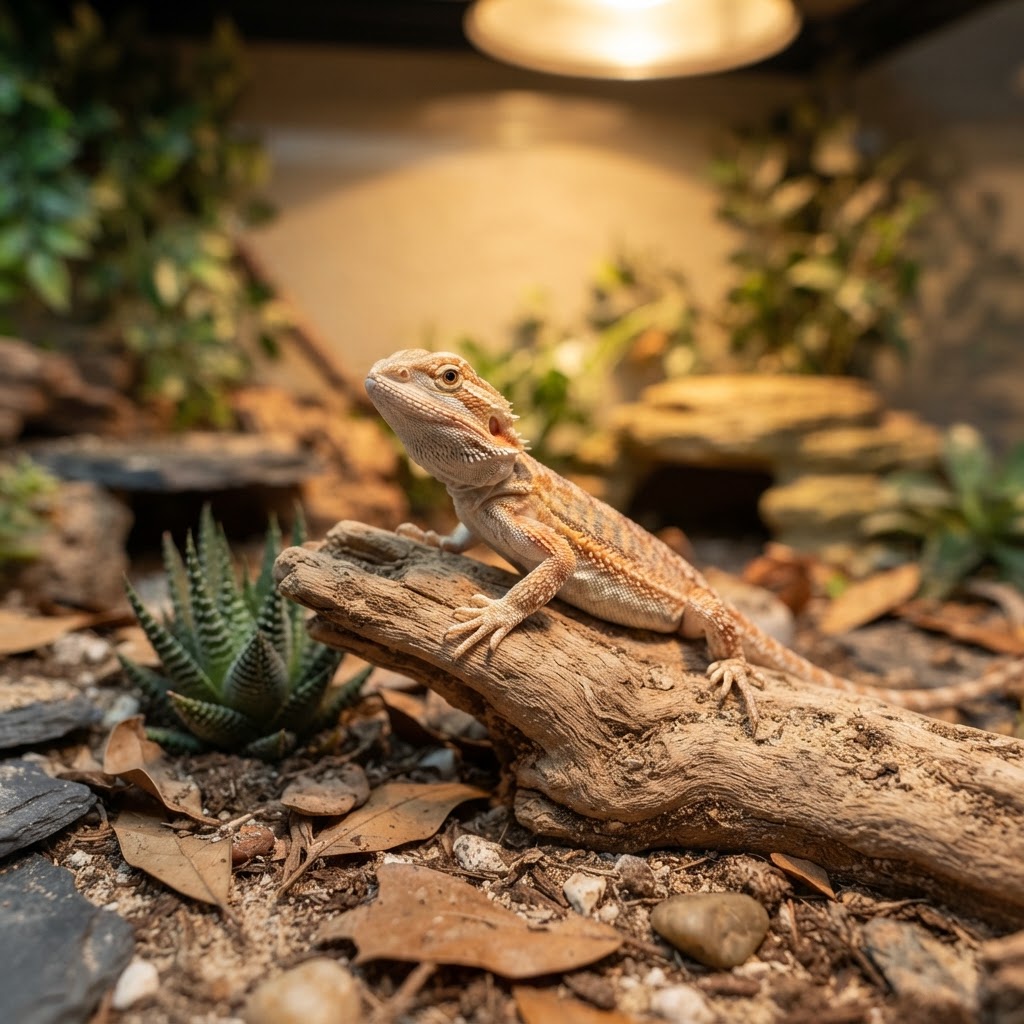
Healthy babies are active in short bursts and use heat correctly. You should regularly see your baby move between basking and cooler areas, flatten under the basking spot to absorb heat, then become more active once warmed up. This pattern matters because proper thermoregulation supports digestion, immunity, and growth.
Watch how your dragon walks and climbs. A healthy baby should move with decent balance and coordination. It may be quick, clumsy in a baby way, or occasionally dramatic, but it should not wobble, drag limbs, tremble constantly, or struggle to grip easy surfaces.
Daily movement signs to notice:
- Climbs onto basking spots without trouble
- Walks evenly on all four legs
- Hunts insects with speed and control
- Changes locations in the tank throughout the day
- Sleeps normally at night after daytime activity
If your baby spends all day pressed in one corner, cannot climb to the basking area, or seems weak after being warm for a while, take that seriously. Problems with movement can sometimes point to dehydration, weakness, injury, or calcium and UVB issues.
Healthy skin, color, and shedding patterns
Baby bearded dragons shed often because they grow quickly. Frequent sheds, especially in patches like the tail, legs, or head, are usually completely normal. Healthy skin should look intact, without open sores, severe swelling, or areas that stay dark and damaged-looking.
Color can change for many normal reasons. Babies may darken when basking, lighten when relaxed, or look dull right before shedding. That said, they should not stay very dark, stressed-looking, or black-bearded for long periods without an obvious reason.
Healthy skin and shedding signs include:
- Shed comes off over time without pulling forcefully
- Skin underneath looks clean and normal
- Toes, tail tip, and eyes stay clear of stuck shed buildup
- Mild dullness before shedding, followed by brighter skin after
Never peel shed off unless instructed by a vet. Instead, focus on correct hydration and proper enclosure conditions. If your baby has repeated shedding problems around toes or the tail tip, keep a close watch.
Good poop, normal urates, and signs of hydration
Poop may not be glamorous, but it is one of the best health tools you have. A healthy baby bearded dragon usually produces stool regularly, especially when eating well. Normal droppings often include a brown stool portion and a white urate portion.
The exact schedule can vary with age, food intake, basking temperatures, and activity level. Some babies go more than once a day, while others go less often. What matters most is consistency for your individual dragon.
Healthy bathroom and hydration signs:
- Stool is formed rather than constantly runny
- Urate is white to off-white, not persistently yellow or orange
- Eyes are not sunken
- Skin does not look unusually wrinkled
- The dragon stays alert and does not appear dried out
Occasional soft stool can happen after certain foods or stress, but repeated diarrhea, very foul-smelling stool, blood, or a long stretch without pooping combined with lethargy deserves attention. If you are unsure whether symptoms are still within normal range, compare what you see with these signs of illness in baby bearded dragons.
A simple daily health check for baby beardies
You do not need a complicated routine to monitor health well. A quick 3-minute check each day can help you catch small problems before they become big ones.
Here is an easy routine:
- Look at the eyes and posture. Are the eyes open and clear? Is your dragon holding itself up normally?
- Watch basking behavior. Does it move to the warm area after lights come on?
- Offer food and note the response. Did it show interest right away, slowly, or not at all?
- Check the body shape. Does the tail base still look full? Any sudden weight loss or bloating?
- Scan the skin. Any stuck shed, wounds, swelling, or unusual discoloration?
- Look at the latest poop. Is it formed and typical for your dragon?
If you keep a notebook or phone note with feeding, shedding, and poop observations, patterns become much easier to understand. This is especially helpful during the baby stage, when changes happen fast.
When “not perfect” becomes a red flag
It is normal to worry over every little change, especially with a new baby. But some issues are more urgent than others.
A baby bearded dragon should be seen by a reptile vet if you notice:
- Refusing food for several days, especially while young
- Noticeable weight loss or stalled growth
- Closed eyes during the day on a regular basis
- Wheezing, clicking, mucus, or open-mouth breathing when not basking
- Swollen jaw, shaky limbs, or trouble walking
- Persistent black beard and signs of pain or distress
- Diarrhea lasting more than a day or two
- Blood in stool or repeated vomiting
- Severe lethargy or collapse
In babies, waiting too long is risky because they have less body reserve than adults. If your instincts tell you something is off, trust that feeling and investigate early.
Frequently Asked Questions
What are the first signs of healthy baby bearded dragons?
The first signs of healthy baby bearded dragons are usually bright open eyes, alert behavior, regular basking, a strong feeding response, and steady growth. If your baby is curious, active when warm, and eating consistently, those are encouraging early signs.
Is it normal for a healthy baby bearded dragon to have lazy days?
Yes, sometimes. A baby may be less active during a shed, after a stressful move, or on a day when it ate heavily earlier. What matters is the overall pattern. A healthy baby should still show regular appetite, basking, and alertness across the week.
How often should a healthy baby bearded dragon poop?
There is no single perfect schedule. Many babies poop daily or even more often because they eat frequently, but others may go less often. Focus on what is normal for your dragon. Formed stool, white urate, and consistent habits are more important than an exact number.
Do healthy baby bearded dragons always eat a lot?
Most healthy babies have a strong appetite, but not every feeding will be huge. Shedding, stress, enclosure changes, and temperature issues can reduce interest briefly. A good eater should still return to normal fairly quickly once conditions are right.
Can a healthy baby bearded dragon look dark sometimes?
Yes. Babies often darken while basking, when waking up, or before shedding. Brief color changes are common. The concern is when dark coloring comes with lethargy, stress, hiding, or a black beard that lasts for long periods.
How can I tell if my baby is growing properly?
Track weight, length, appetite, and body shape over time. Weekly weigh-ins and simple photos help a lot. You want steady progress rather than sudden gain or long-term stagnation. If your dragon is eating but not growing, review husbandry and consider a vet check.
When should I worry if my baby beardie stops eating?
If a very young dragon refuses food for more than a day or two, especially if it also seems sleepy, dark, or weak, you should look into it right away. Double-check heat and UVB first, then contact a reptile vet if the problem continues or other symptoms appear.