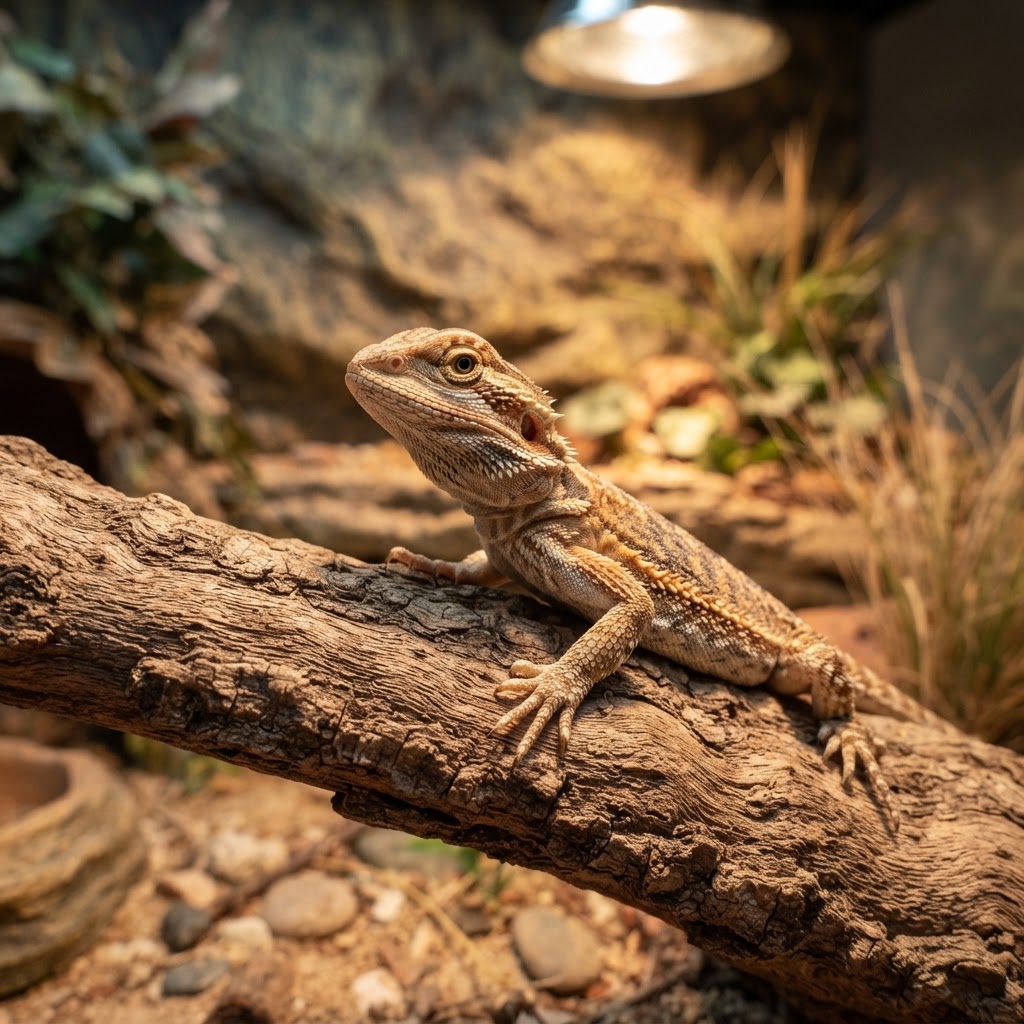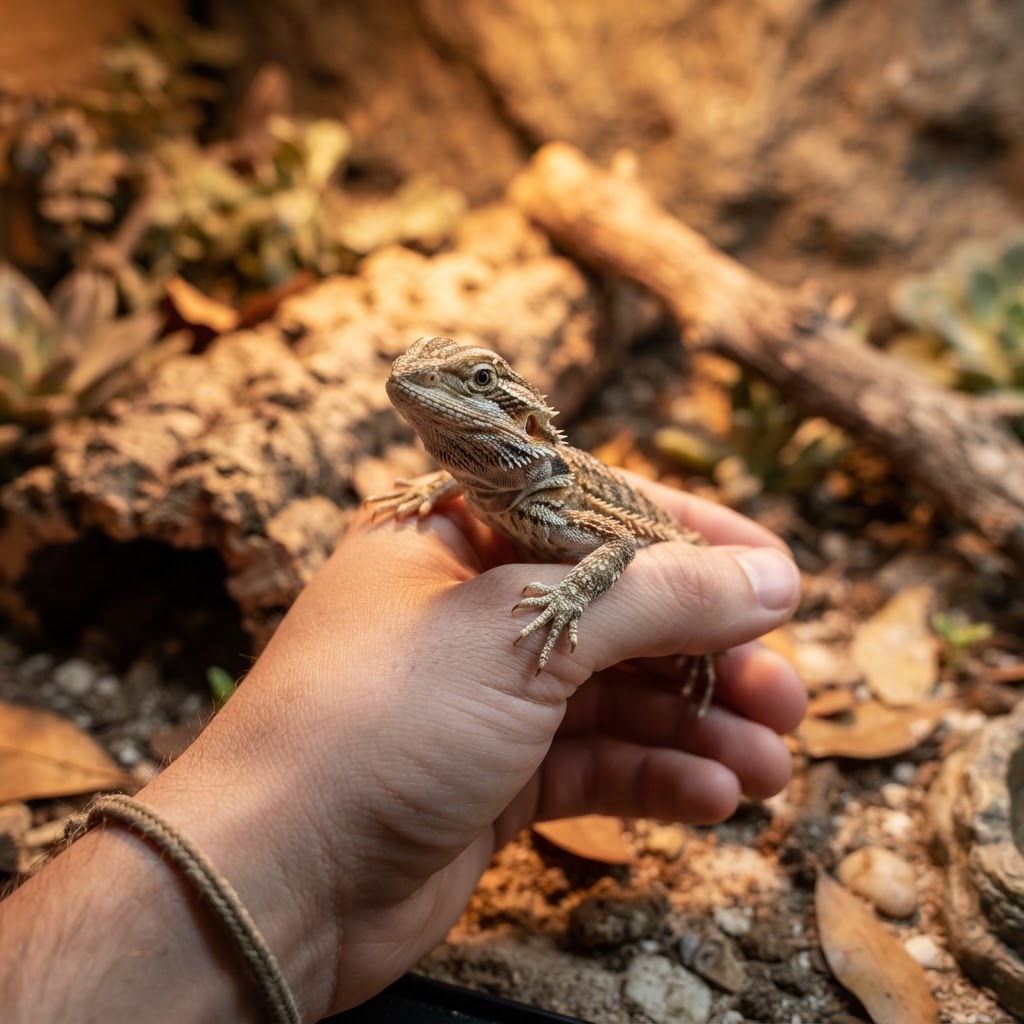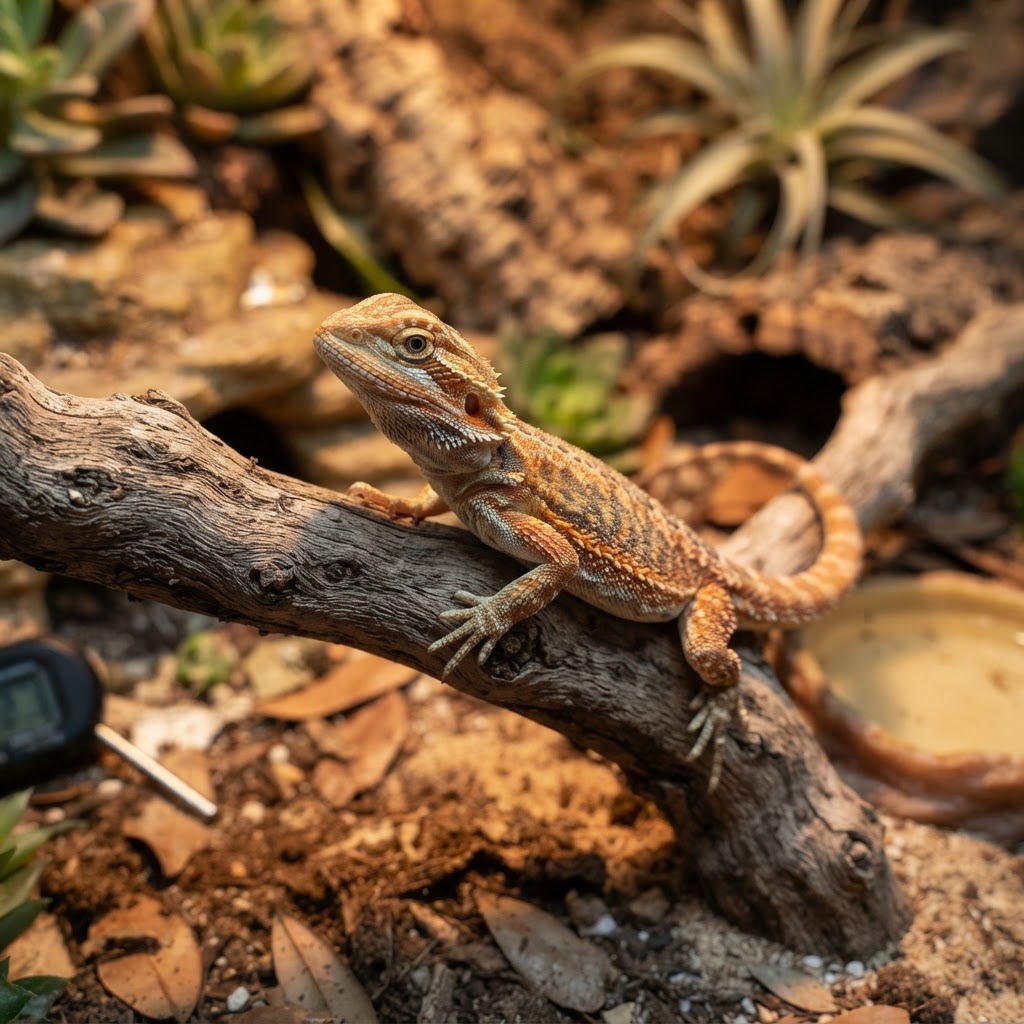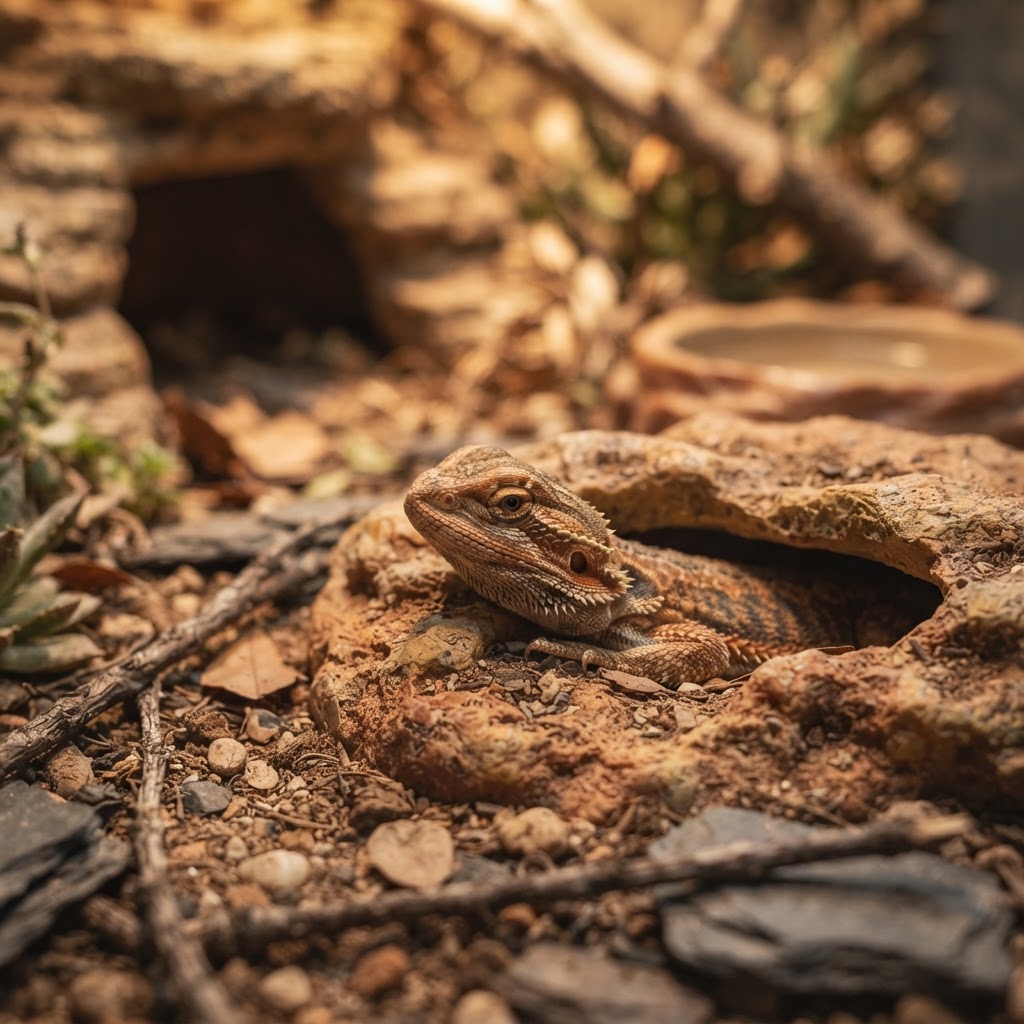
Introduction
If your baby bearded dragon suddenly starts sleeping more, hiding, or eating less, it is easy to worry that something is wrong. Many first-time owners search for answers to the question, when do baby bearded dragons brumate, after noticing their little dragon seems less active than usual. The problem is that true brumation in babies is uncommon, so those changes often point to something else.
Brumation is a natural seasonal slowdown in reptiles, somewhat similar to hibernation in mammals. Adult bearded dragons may go through it, especially in cooler months. But baby bearded dragons from 0 to 12 months old are still growing fast, building bone strength, and relying on steady heat, UVB, hydration, and food. Because of that, a baby that acts sleepy should never be assumed to be brumating without checking husbandry and health first.
In this guide, you will learn what brumation really looks like, what age it usually starts, why babies rarely do it, and exactly what to do if your young beardie seems to be slowing down. If you are brand new to reptile care, do not worry. I will keep this simple, practical, and focused on what matters most for baby bearded dragons.
Key Takeaways
- True brumation is uncommon in baby bearded dragons under 12 months old.
- Most babies need regular heat, UVB, food, calcium, and hydration to support rapid growth.
- A sleepy, hiding, or less hungry baby often has a husbandry issue, stress, shedding, or illness rather than real brumation.
- Check basking temperature, cool-side temperature, UVB strength, bulb age, feeding, hydration, and weight before assuming anything seasonal.
- Never intentionally force a baby bearded dragon to brumate by lowering temperatures or reducing light.
- If your baby stops eating for several days, loses weight, looks weak, or stays inactive, contact a reptile-savvy veterinarian.
What Is Brumation?
Brumation is a reptile’s seasonal resting period. During brumation, a bearded dragon may sleep more, hide for long periods, bask less, and eat little or nothing. Its body slows down because the environment is cooler and daylight is shorter.
Unlike mammal hibernation, brumation is not always one long deep sleep. A dragon may wake up occasionally, move around, drink, or briefly bask, then return to resting. In the wild, this helps conserve energy during less favorable conditions.
In captivity, brumation can still happen, but it depends on age, genetics, overall health, and enclosure conditions. A healthy adult may brumate even when cared for correctly. A very young dragon, however, is far more likely to need a husbandry adjustment than a seasonal shutdown.
When Do Baby Bearded Dragons Brumate?
The short answer to when do baby bearded dragons brumate is that truly young babies usually do not. Most bearded dragons do not enter a clear brumation cycle until they are older juveniles or adults, often around 10 to 18 months or even later.
That means a dragon that is only a few weeks or a few months old should generally stay active, alert, and hungry if its care is on point. A 2-month-old, 4-month-old, or 6-month-old beardie that becomes very lethargic should not automatically be labeled as brumating.
Even at 10 to 12 months, what looks like brumation may simply be a mild seasonal slowdown. Some older juveniles rest a bit more in winter, but they still usually need consistent husbandry and close monitoring. Because there is no exact calendar date for every dragon, age alone is not enough. You also need to look at body condition, appetite, weight trends, poop quality, and enclosure setup.
Why True Brumation Is Rare in Babies
Baby bearded dragons are in a heavy growth phase. Their bodies are busy building muscle, bone, and energy reserves. That growth requires:
- Frequent insect meals
- Strong UVB exposure
- Proper basking temperatures
- Calcium supplementation
- Steady hydration
A long inactive period works against those needs. Babies have smaller fat reserves than adults, so they are less equipped to safely go without food for extended periods. They can dehydrate faster, lose weight faster, and decline faster if something is off.
This is why experienced keepers and reptile vets are cautious when a baby seems to brumate. In many cases, the real cause is one of these issues:
- Basking area is too cool
- UVB bulb is weak, old, or improperly placed
- The enclosure is too large, bare, or stressful
- The dragon is shedding and temporarily uncomfortable
- Relocation stress after coming home from a breeder or pet store
- Internal parasites or another illness
If you want to double-check your basics, review your baby bearded dragon tank setup and your UVB lighting guide for baby dragons. Those two areas cause many of the behavior changes owners mistake for brumation.
Signs That Can Look Like Brumation in a Baby
A baby that seems to be brumating may show one or more of the following:
- Sleeping longer than usual
- Hiding more often
- Eating less
- Spending less time basking
- Looking dull or darker in color
- Moving slowly
- Staying in one corner of the tank
These signs do overlap with brumation, but they also overlap with normal shedding, stress, and illness.
Shedding
Young beardies shed often because they grow so quickly. During a shed, a baby may be cranky, less active, and slightly less interested in food. If the skin looks pale or flaky, shedding may be the simple answer. Behavior usually improves after the shed passes.
Stress
New surroundings, loud activity, too much handling, tank mates, or poor hiding options can all make a baby shut down a bit. Stress commonly causes reduced appetite and more hiding.
Incorrect Heat or Lighting
A baby kept too cool will act sluggish because it cannot digest or energize properly. A poor UVB setup can also reduce appetite and normal activity. These are among the biggest reasons new owners misread behavior.
Illness or Parasites
If the dragon also has runny stool, weight loss, weakness, sunken eyes, or a very dark beard, think health issue first. Read more about why a baby bearded dragon may stop eating and watch for signs of illness in baby bearded dragons.
What to Do If Your Baby Acts Like It Is Brumating
If your baby dragon is slowing down, do not panic. Use this step-by-step approach.
1. Check the age
A beardie under 12 months should be treated as a growing juvenile, not an adult brumating dragon. The younger the dragon, the less likely true brumation is.
2. Verify your temperatures with reliable tools
Use a digital probe thermometer or infrared temp gun. For most babies, the basking surface should be hot enough to support digestion, while the cool side should allow comfortable thermoregulation. Exact setups vary, but many baby keepers aim for a basking surface roughly in the 100 to 110°F range and a cooler side around 75 to 85°F.
If the tank is too cool, fix that first and monitor behavior for several days.
3. Review your UVB setup
A strong linear UVB bulb is much better than a weak compact bulb for most enclosures. Make sure the bulb is the correct type, mounted at the right distance, not blocked by dense mesh if the brand recommends otherwise, and replaced on schedule.
Poor UVB can quietly cause lethargy, weak appetite, poor growth, and long-term health problems.
4. Keep the light cycle stable
Do not shorten daylight hours dramatically for a baby just because it seems sleepy. Keep a steady day-night rhythm, usually about 12 to 14 hours of light for a growing juvenile unless your reptile vet advises otherwise.
5. Offer food normally
Continue offering appropriately sized insects and fresh greens. Do not assume the baby should fast. A healthy baby usually needs regular feeding opportunities to keep growing.
6. Monitor hydration
A tired baby can dehydrate quickly. Watch for wrinkled skin, sticky saliva, sunken eyes, or dry-looking urates. Provide fresh water, moisture from greens, and appropriate hydration support as needed.
7. Weigh your dragon
A small kitchen scale is extremely useful. Weigh your baby at the same time each week and write it down. A stable or increasing weight is reassuring. Weight loss is a red flag, especially in a dragon under a year old.
8. Watch the stool
Changes in poop can tell you a lot. Extremely smelly stool, diarrhea, mucus, or a long gap with no eating can point to parasites or digestive trouble. A fecal exam from a reptile vet may be needed.
9. Avoid forcing brumation
Do not lower temperatures on purpose. Do not stop feeding just because the dragon is sleepy. Do not leave a weak baby tucked away for weeks without checking weight and hydration.
10. Contact a reptile vet if the slowdown continues
If the behavior lasts more than a few days, appetite drops sharply, or anything else seems off, it is safest to get professional help. The sooner you catch a problem, the easier it often is to fix.
Is a Seasonal Slowdown Ever Normal in Older Babies?
Sometimes, yes, especially in dragons nearing the 10- to 12-month mark. An older juvenile may rest a bit more in cooler months, spend more time in a hide, or show a temporary dip in appetite.
But even then, you should think of it as a possible seasonal slowdown, not automatic full brumation. Keep care standards high, monitor weight, and make sure the dragon can still bask, digest, and hydrate normally.
A healthy older juvenile may bounce back within days or weeks once conditions stay consistent. A sick dragon usually gets worse, not better.
Common Beginner Mistakes to Avoid
When owners wonder about when do baby bearded dragons brumate, these are the mistakes that cause the most trouble:
- Assuming any sleepy behavior is natural
- Using inaccurate stick-on thermometers
- Letting the basking spot get too cool
- Keeping an old or weak UVB bulb in place
- Stopping feeders too quickly
- Ignoring weight loss because the dragon is still hiding quietly
- Handling too much during a slowdown
- Waiting too long to call a reptile vet
A good rule is simple: babies should usually be active, growing, and eating. If yours is not, troubleshoot first.
When to Call a Vet Right Away
Some signs should push you toward prompt veterinary care instead of watchful waiting:
- No eating for several days in a young baby
- Noticeable weight loss
- Weakness or wobbliness
- Sunken eyes or signs of dehydration
- Black beard for long periods
- Diarrhea, mucus, blood, or very foul stool
- Trouble moving, climbing, or basking
- Gaping, wheezing, or mucus around the mouth or nose
If your baby is under 6 months old and becomes very lethargic, I strongly recommend treating it as a health or husbandry issue until proven otherwise.
How to Support Healthy Growth Instead of Brumation
For baby bearded dragons, the goal is not encouraging brumation. The goal is encouraging steady growth and good daily function. Focus on these basics:
- Consistent basking heat every day
- Quality linear UVB lighting
- Frequent appropriately sized insect meals
- Fresh greens offered regularly
- Correct calcium and vitamin schedule
- Minimal stress and plenty of security
- Weekly weight checks
If you want a broader refresher, the baby bearded dragon care guide is a helpful next read for checking your routine from top to bottom.
Frequently Asked Questions
Can a 3-month-old bearded dragon brumate?
It is very unlikely. A 3-month-old baby should normally be active and eating often. If a dragon this young becomes sleepy or stops eating, check temperatures, UVB, hydration, and health right away.
Can a 6-month-old bearded dragon brumate?
It is still uncommon. A 6-month-old may have a few slower days from stress or shedding, but true brumation would not be the first explanation. Look for setup issues or illness before assuming anything seasonal.
Do baby bearded dragons sleep more in winter?
Some may seem a little less active when room temperatures drop or daylight in the home changes, but that does not mean they should enter a full brumation. A mild slowdown can happen, but babies still need proper heat, light, food, and monitoring.
Should I let my baby bearded dragon sleep all day?
No, not without investigating why. A baby that sleeps all day may be too cold, stressed, dehydrated, or sick. Correct the environment first and contact a reptile vet if the behavior continues.
What if my baby beardie is hiding and not eating?
Start by checking basking temperature, cool-side temperature, UVB placement, bulb age, and recent stress. Also consider shedding. If your baby keeps refusing food or loses weight, schedule a reptile vet visit.
If you are still asking when do baby bearded dragons brumate, what is the safest rule?
The safest rule is this: for dragons under 12 months old, assume a major slowdown is caused by husbandry, stress, shedding, or health problems until you carefully rule those out. True brumation is much more common in older dragons than in babies.
Can I reduce heat and lighting if I think brumation is starting?
Not for a baby. Do not intentionally cool down a young dragon or shorten its care routine without veterinary guidance. Babies need stable conditions to grow, digest, and stay hydrated.