Introduction
Bringing home a baby bearded dragon is exciting, but it can also be surprisingly confusing. New owners quickly discover that there are dozens of reptile products on the market, and not all of them are safe, useful, or worth the money. Babies from 0 to 12 months old have very specific needs: they grow fast, eat often, need strong UVB exposure, and depend on carefully managed heat to digest food and build healthy bones.
If you're trying to sort through the best baby bearded dragon care products, the good news is that you do not need a cart full of gadgets. A healthy setup starts with a handful of reliable essentials: the right enclosure, proper UVB lighting, a dependable basking bulb, accurate temperature tools, safe substrate, and a few feeding and supplement basics. When those core items are right, daily care gets much easier and your beardie has a much better chance of thriving.
This guide walks you through the products that matter most, what to look for before you buy, and which common "starter kit" mistakes to avoid. Think of it as a practical shopping roadmap from an experienced keeper who wants you to get the important things right the first time.
Affiliate disclosure: As an Amazon Associate I earn from qualifying purchases. BabyBeardedDragon.net is a participant in affiliate programs including Amazon Associates. We may earn a commission on qualifying purchases at no extra cost to you.
Key Takeaways
- Prioritize heat, UVB, and temperature monitoring before spending money on decor.
- Baby bearded dragons do best with simple, easy-to-clean setups and safe surfaces with good traction.
- A front-opening enclosure, linear T5 HO UVB, and bright white basking bulb are the foundation of a proper habitat.
- Digital probe thermometers and an infrared temp gun are far more reliable than stick-on dial gauges.
- Feeding tools, escape-proof insect storage, and calcium supplements make daily care easier and safer.
- Avoid gimmicky products like heat rocks, colored night bulbs, and loose sand for very young dragons.
What Baby Bearded Dragons Need Most From Their Gear
A baby beardie is not just a smaller adult. Young dragons grow rapidly, burn a lot of energy, and are more sensitive to husbandry mistakes. That means the most important products are the ones that support growth, appetite, hydration, and bone development.
Start by focusing on four big needs:
- Correct heat so your baby can bask, digest food, and stay active.
- Strong UVB exposure to help use calcium properly and prevent metabolic bone disease.
- A safe, simple enclosure that is easy to clean and doesn't create impaction or injury risks.
- Feeding and supplement tools that make frequent meals and dusting routine instead of stressful.
If you still need help building the full habitat, our baby bearded dragon tank setup guide is a great companion to this article. And for lighting details, be sure to read our UVB lighting guide for baby beardies.
Best Baby Bearded Dragon Care Products: Our Top Picks
1. A Front-Opening Enclosure That Gives Room to Grow
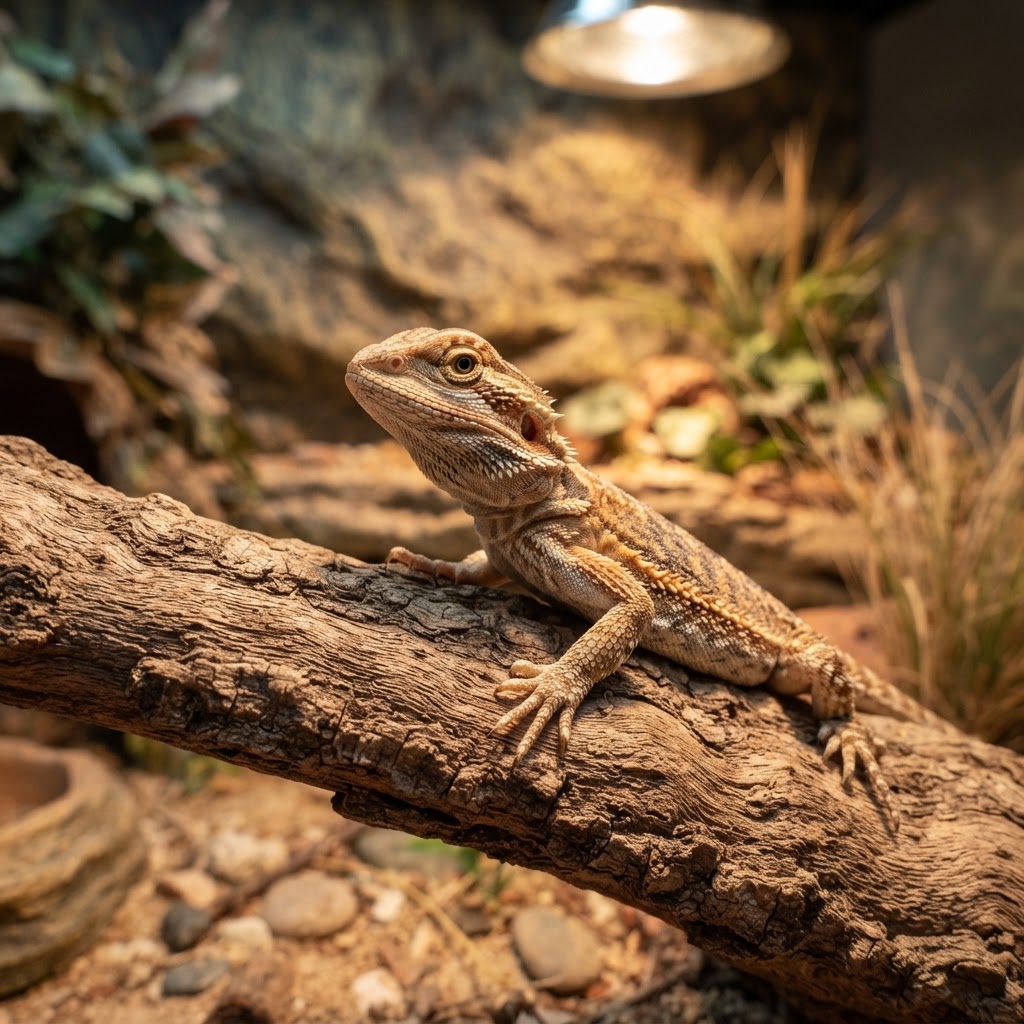
For a baby, many keepers start with at least a 40-gallon breeder, though going straight to a larger 4x2x2 enclosure can save money in the long run if it is furnished properly. The best enclosure is wide rather than tall, holds heat gradients well, and opens from the front so you can interact with your dragon without reaching in from above like a predator.
Look for secure locks, sturdy ventilation, and enough floor space for a warm basking end and a cooler retreat. If you choose a larger enclosure for a very small baby, add clutter, a hide, and visual security so the space doesn't feel too exposed.
2. A Linear T5 HO UVB Fixture and Bulb
If there is one product category you should never compromise on, it is UVB. A linear T5 HO fixture paired with a quality 10.0 or 12% UVB bulb is the standard most experienced keepers trust. Popular examples include long tube-style systems from Arcadia and Zoo Med.
Why it matters: babies need strong, consistent UVB to process calcium during rapid growth. Weak bulbs, tiny coil lights, or poor fixture placement can lead to serious health problems over time. Mount the light according to the brand's distance recommendations, keep glass or plastic from blocking the rays, and replace the bulb on schedule even if it still looks bright.
3. A Bright White Basking Bulb and Safe Dome Fixture
Your baby bearded dragon needs a proper basking zone, not just warm air. The best basking products are usually simple bright white bulbs or halogen flood-style bulbs that create focused heat and encourage natural daytime behavior.
Aim for a basking surface temperature around 105-110°F for young babies, with a cooler side in the mid-70s to mid-80s. A ceramic dome fixture with the correct watt rating is usually all you need. Avoid red, blue, or black "night heat" bulbs, which can disrupt normal day-night cycles. Also skip heat rocks; they can cause burns and do not heat the dragon effectively from above.
4. Digital Probe Thermometers, a Hygrometer, and an IR Temp Gun
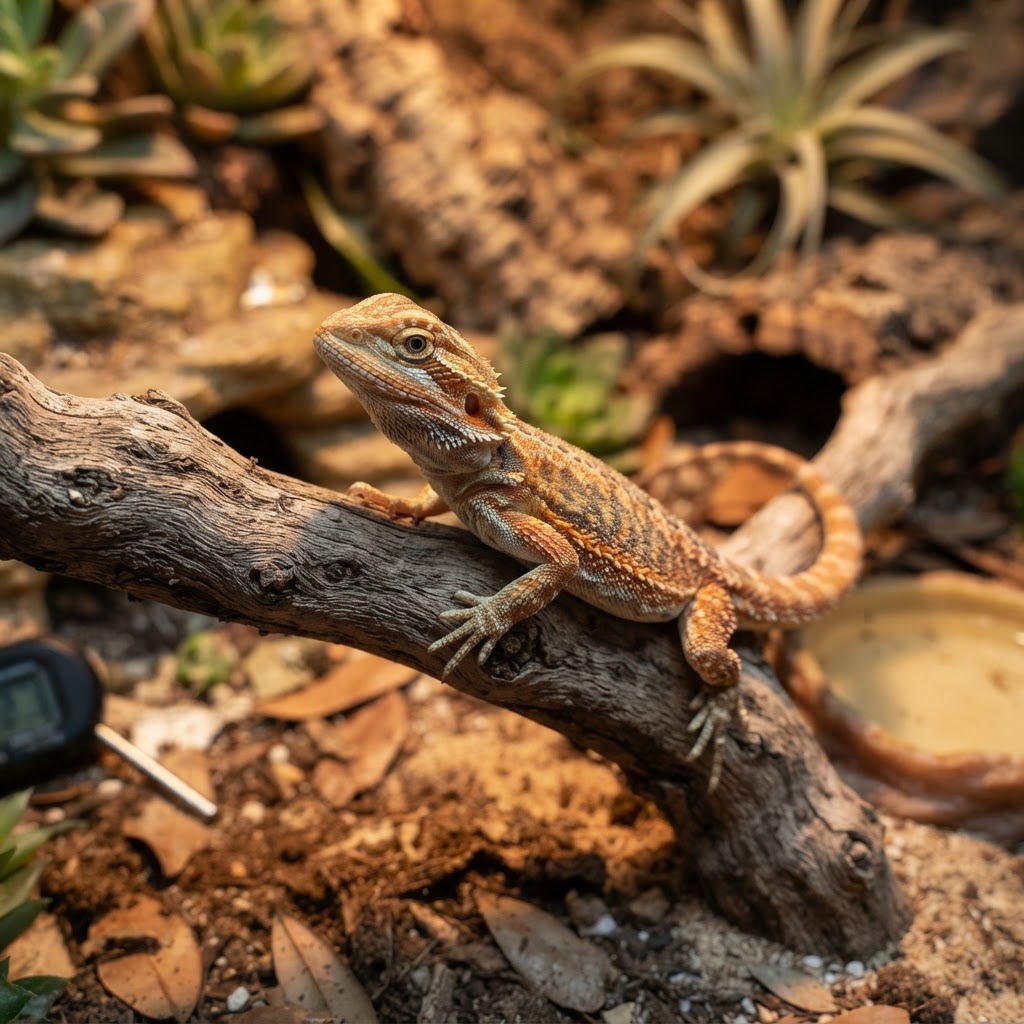
Many beginner problems come down to bad readings. Stick-on analog gauges are often inaccurate, and guessing temperatures is risky with a baby. Instead, get at least two digital probe thermometers: one for the basking side and one for the cool side. Add an infrared temperature gun so you can quickly check the actual surface temperature of the basking spot.
A digital hygrometer is helpful too, especially if your home tends to run humid. Monitoring lets you correct problems early instead of waiting for stress behaviors, poor appetite, or sluggishness to show up.
5. Safe, Easy-to-Clean Substrate
For babies, simple is best. Paper towels, non-adhesive shelf liner, reptile carpet alternatives designed for easy cleaning, textured tile, or slate are all safer options than loose sand for most new keepers. Young dragons are messy eaters, and a cleanable surface makes it much easier to spot droppings, monitor health, and maintain hygiene.
Loose substrate is one of the most debated reptile topics, but for beginners with a growing baby, easy-clean solid surfaces are the low-risk choice. If you want a deeper breakdown, read our guide to the best substrate for baby bearded dragons.
6. A Low, Stable Basking Platform and a Secure Hide
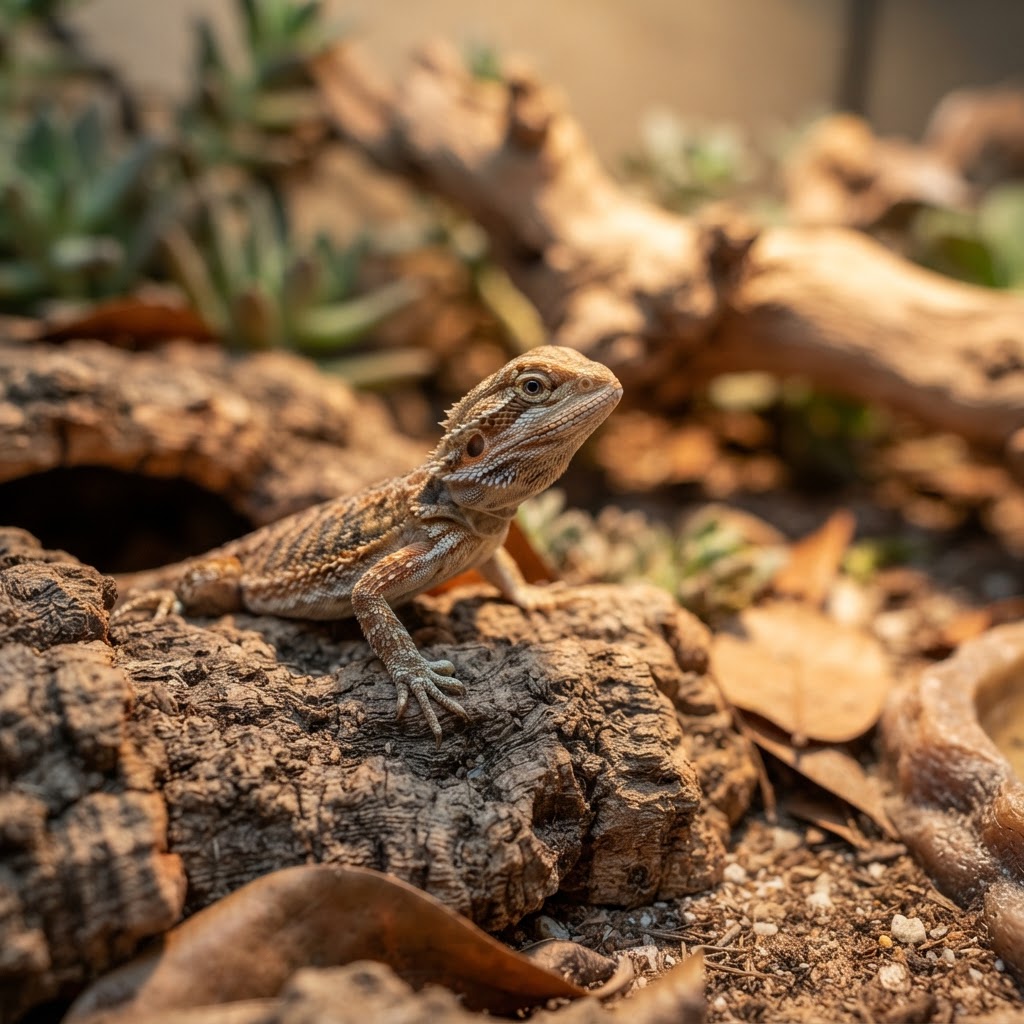
Good decor is functional, not just attractive. Your baby needs a sturdy basking platform that gets them to the right distance from the heat and UVB, plus a hide where they can feel safe. Flat rocks, stacked slate, reptile hammocks used carefully, and low branches can all work if they are stable and easy to sanitize.
Avoid tall or wobbly climbing pieces that could shift under a fast-moving juvenile. Babies are curious and active, but they are also small enough to slip into awkward gaps. Keep the layout simple, secure, and easy to navigate.
7. Feeding Tools: Insect Keeper, Bowls, and Tongs
Baby beardies eat a lot, which means your feeding setup matters more than many people expect. A good insect keeper or escape-proof feeder bin keeps live insects healthy and your home less chaotic. Smooth-sided feeding bowls are useful for greens and for insects that can't climb out easily.
Soft-tipped feeding tongs can help with target feeding, but many babies prefer to chase prey naturally. The main goal is convenience and cleanliness. Since diet drives growth, it's worth pairing these items with a clear understanding of what baby bearded dragons eat.
8. Calcium and Multivitamin Supplements
Supplements are not optional for a growing baby. A plain calcium powder, often used several times per week, supports bone and muscle development when combined with proper UVB. A reptile multivitamin rounds out trace nutrients that feeder insects and greens may not provide consistently.
Choose reputable reptile-specific brands, keep the containers dry, and check expiration dates. Many new owners buy great lighting and heating, then forget the supplements that tie the nutrition picture together. A simple dusting routine can prevent big health issues later.
9. A Timer, Power Strip, and Basic Cleaning Supplies
These are not flashy purchases, but they make daily care dramatically easier. A timer keeps the light cycle consistent, which helps your baby settle into a routine. A surge-protected power strip helps manage multiple fixtures safely. And a small set of cleaning supplies—paper towels, a reptile-safe disinfectant, and a spare feeding dish—keeps the tank sanitary with minimal effort.
Consistency is one of the biggest keys to good baby beardie care. Products that support routine are often more valuable than decorative extras.
How to Choose Without Overspending
The best baby bearded dragon care products are the ones that solve real husbandry needs, not the ones with the most dramatic packaging. If you are on a budget, spend your money in this order:
- UVB fixture and bulb
- Basking heat setup
- Accurate thermometers and temp gun
- A safe enclosure
- Supplements and feeding basics
- Decor and convenience items
A smart way to save is to buy products that still work as your dragon grows. For example, a larger front-opening enclosure, a quality UVB fixture, and a good temperature gun are all long-term purchases. On the other hand, cheap starter bundles often include weak lighting, inaccurate gauges, or substrate you may replace right away.
Common Buying Mistakes New Owners Make
One of the biggest mistakes is assuming any reptile-labeled product is automatically safe for a baby bearded dragon. It isn't. Reptile marketing can be misleading, especially around lighting and heating.
Watch out for these common errors:
- Buying a kit with poor UVB lighting and thinking the problem is solved.
- Using analog dial thermometers instead of digital probes and surface checks.
- Choosing loose sand too early because it "looks natural."
- Buying colored bulbs or heat rocks that create more risk than benefit.
- Overcrowding the tank with decor and accidentally ruining the heat gradient.
- Forgetting feeder storage and supplement organization, which makes daily care harder than it needs to be.
In general, simple, measurable, and easy-to-clean beats complicated every time.
A Simple Starter Shopping List
If you want a practical checklist, here is a solid starting point for most babies:
- Front-opening enclosure with enough floor space
- Linear T5 HO UVB fixture and matching bulb
- Bright white basking bulb and ceramic dome fixture
- Two digital probe thermometers
- Infrared temperature gun
- Digital hygrometer
- Safe solid substrate such as paper towels, tile, or shelf liner
- Stable basking platform
- One secure hide
- Greens dish and feeder bowl
- Escape-proof insect keeper
- Calcium powder and reptile multivitamin
- Timer and surge-protected power strip
- Reptile-safe cleaning spray and paper towels
You can always add decor later. Your dragon will benefit more from correct husbandry than from a fancy-looking enclosure.
Final Thoughts
Once you have the best baby bearded dragon care products in place, everyday care becomes much less stressful. The goal is not to buy everything at once or chase the trendiest reptile gear. It is to build a safe, stable environment where your baby can bask, eat, grow, shed, and explore with confidence.
Start with the essentials, check your temperatures carefully, keep the setup clean, and upgrade slowly as you learn your dragon's habits. A simple, well-managed tank nearly always outperforms an expensive setup full of unnecessary extras.
Frequently Asked Questions
What products are absolutely essential before bringing home a baby bearded dragon?
At minimum, have the enclosure, UVB light, basking bulb and fixture, thermometers, a basking surface, safe substrate, food dishes, and calcium supplement ready before your dragon arrives. Babies should not be "set up later" because even a short period with poor heat or UVB can create stress.
Are reptile starter kits worth it for baby bearded dragons?
Some can be useful for the enclosure itself, but many include weak UVB bulbs, inaccurate gauges, or accessories you will quickly replace. Starter kits are best treated as a base, not a complete solution. Always review the lighting and temperature tools before assuming the kit is baby-safe.
Is loose substrate ever okay for a baby beardie?
Experienced keepers may use naturalistic setups successfully, but for most beginners with young dragons, solid substrate is safer and easier. Babies are messy, fast, and still learning to strike prey accurately. Clean, non-loose surfaces also make health monitoring much easier.
How often should I replace a UVB bulb?
Follow the manufacturer's schedule, because UVB output declines before visible brightness does. Many quality T5 HO bulbs are replaced around every 12 months, but the exact timing depends on the brand and setup. When in doubt, replace on schedule rather than waiting for problems.
Do I need a water dish in the tank?
A shallow water dish can be offered, but many baby beardies get most of their hydration from food and occasional drinking opportunities. If a water bowl raises humidity too much in your home, use a smaller dish or offer water in supervised sessions instead. Clean it daily.
What single product helps prevent the most care mistakes?
If I had to choose one, it would be an infrared temperature gun paired with digital probes. New owners often think their tank is warm enough when the basking surface is actually too cool or too hot. Accurate temperature readings prevent many appetite, digestion, and activity problems.
Should I buy the adult enclosure right away for a baby?
Yes, as long as you set it up thoughtfully. A larger tank can work very well for a baby if it has proper heat zones, multiple secure spots, and easy access to food and basking areas. Bigger is not the problem; poor layout and incorrect temperatures are.