Introduction
Baby bearded dragons are active, curious, and sometimes confusing for new owners. One day your little beardie is racing to the basking spot and eating like crazy, and the next day it seems sleepy, hides more, or ignores a few insects. If you are wondering what to know about baby bearded dragon habits, the most important thing is that their behavior is closely tied to heat, light, age, stress level, and growth.
From hatchling to about 12 months old, a bearded dragon changes fast. Good habits such as basking after lights come on, hunting eagerly, shedding regularly, and settling into a daily routine usually point to a healthy baby. Unusual habits can also be early clues that something in the enclosure or care routine needs adjustment. Once you know what is normal, it becomes much easier to respond with confidence instead of worry.
Key Takeaways
- Baby bearded dragons usually follow a daily rhythm of warming up, basking, eating, exploring, resting, and sleeping.
- Appetite, activity, and stool habits can shift during shedding, growth spurts, relocation, or mild stress.
- Proper basking heat, strong UVB, and a steady day-night schedule shape many normal behaviors.
- Babies typically eat best after warming up and need more frequent insect meals than adults.
- Some hiding is normal, but constant lethargy, closed eyes during the day, or ongoing food refusal are not.
- Gentle, short handling sessions help babies learn to trust you without becoming overwhelmed.
- Keeping notes on feeding, poop, sheds, and weight makes it easier to catch problems early.
Why Habits Matter in the First Year
During the first year, a bearded dragon grows quickly and uses a lot of energy. That means small husbandry issues can change behavior fast. A baby that is too cool may stop hunting. A baby that lacks strong UVB may become sluggish. A baby that feels exposed may hide more than usual. Learning what to know about baby bearded dragon habits helps you catch these patterns before they turn into bigger health issues.
It also helps to remember that babies are not tiny adults. They are more alert, more food-driven, and more easily stressed by sudden changes. Moving to a new home, noisy pets, too much handling, or an overly large feeder insect can all affect their day-to-day habits. The goal is not to make your baby beardie active every minute. The goal is to create a stable routine and understand its normal baseline.
Normal Daily Habits You Should Expect
Basking soon after lights turn on
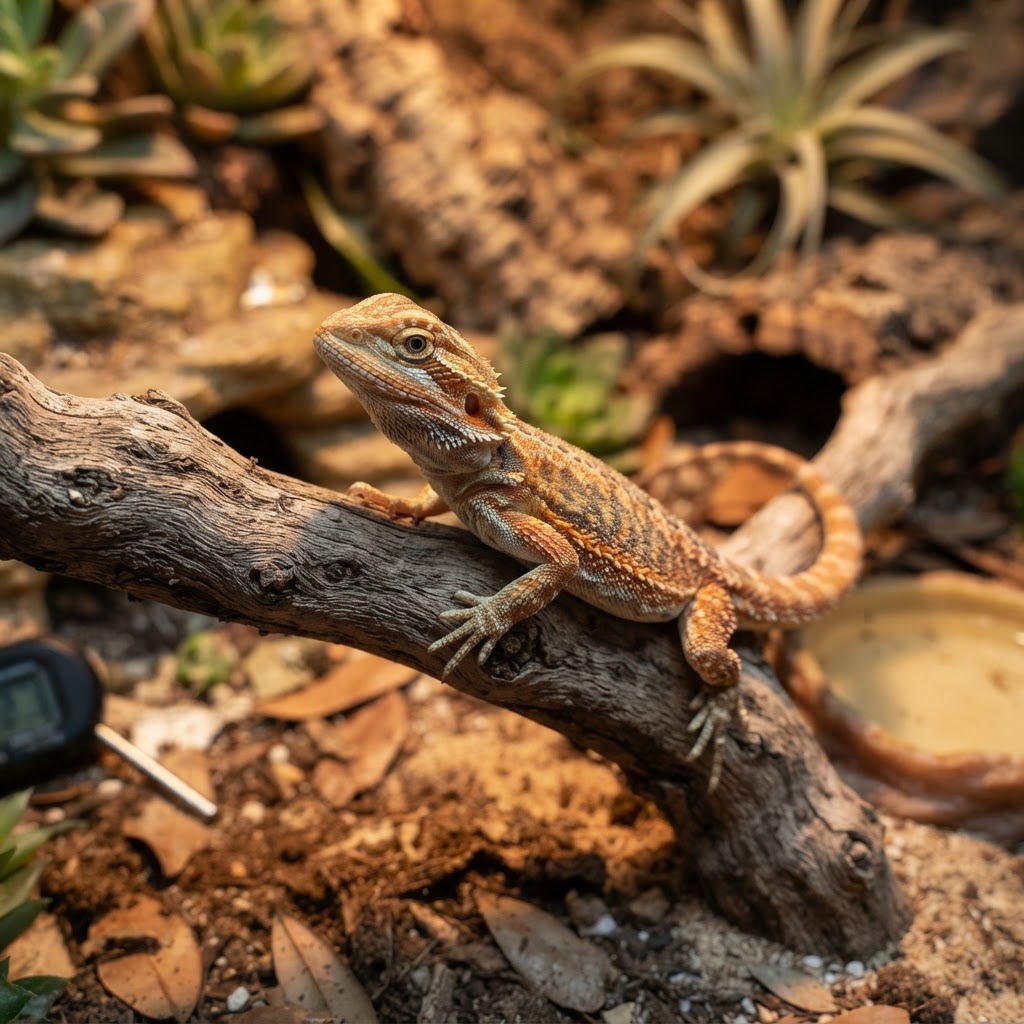
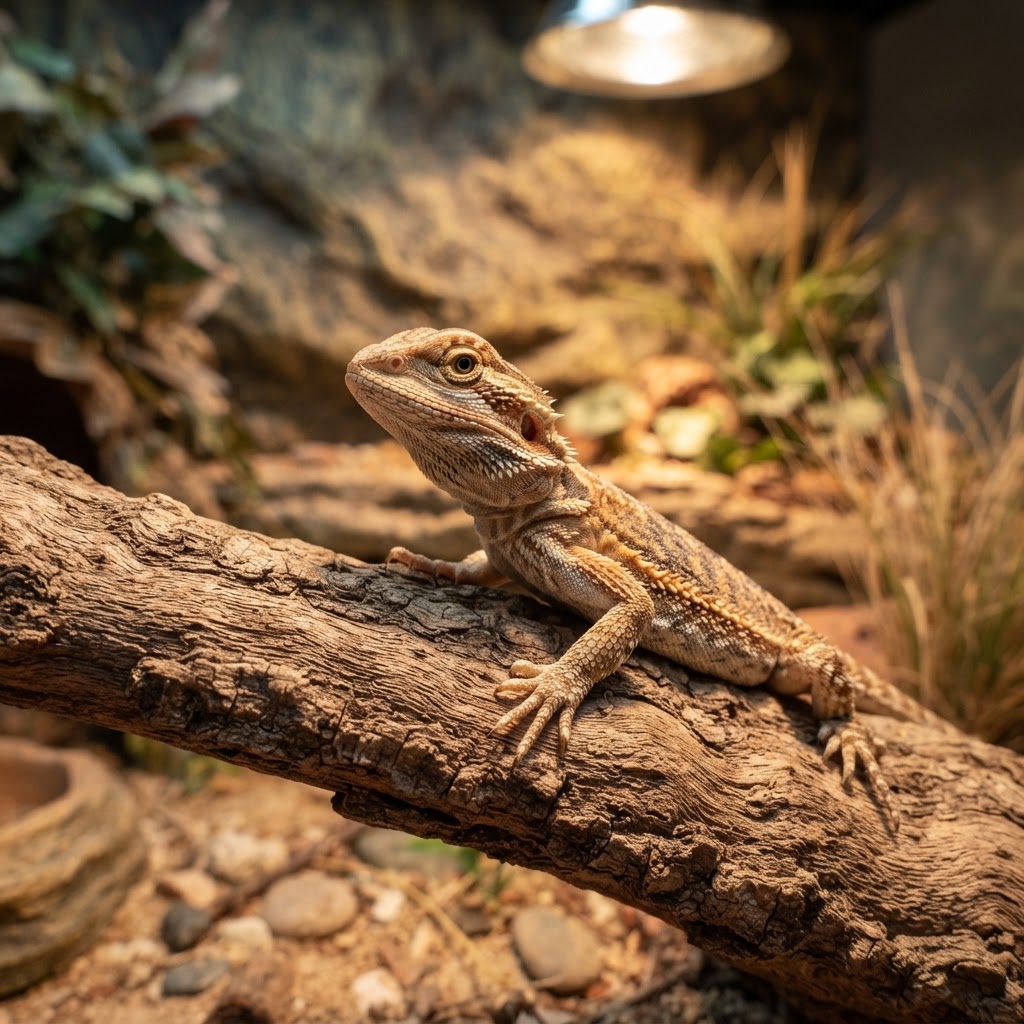
One of the most common healthy habits is morning basking. After the lights come on, most babies move toward the warm side, flatten their bodies a bit, and soak up heat. This warm-up period helps digestion, movement, and appetite. If your dragon stays on the cool side all morning, double-check your enclosure conditions and review your baby bearded dragon tank setup.
Hunting, exploring, and watching movement
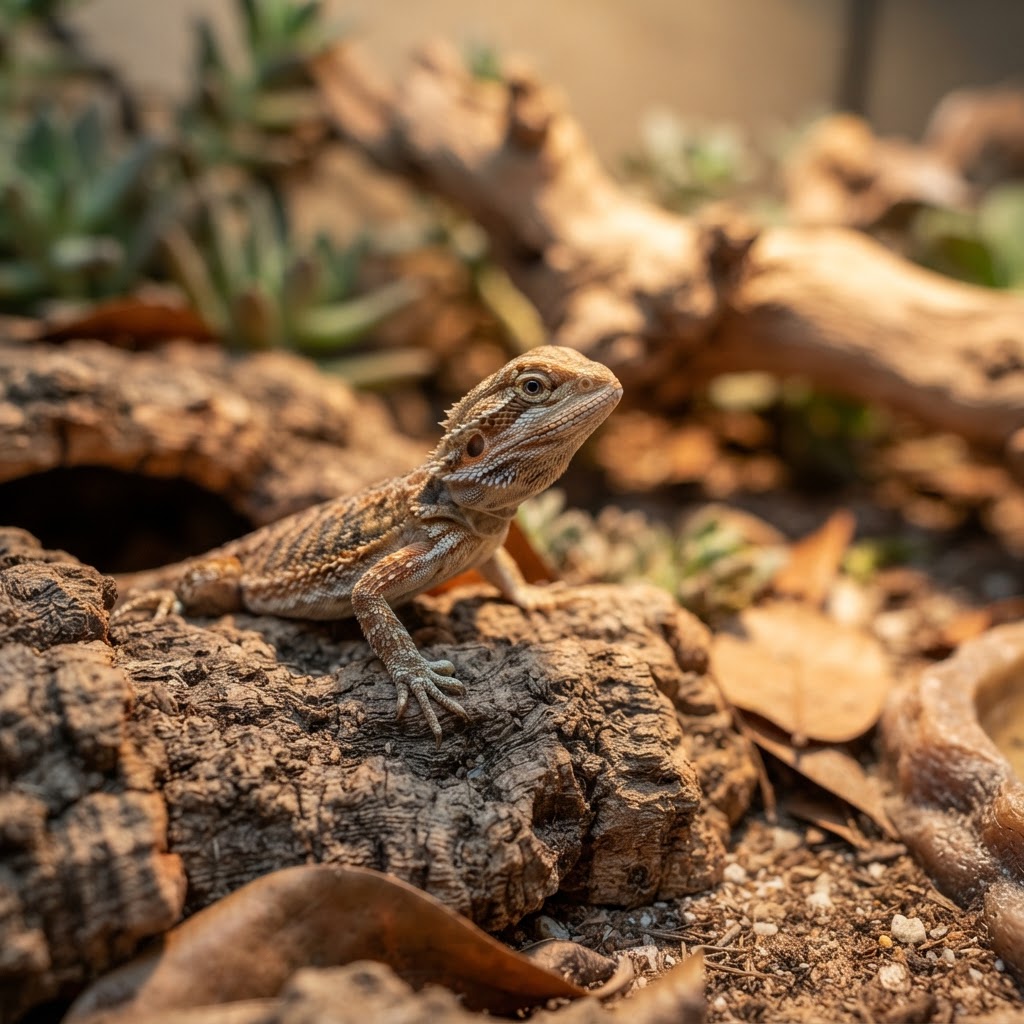
Young beardies are naturally alert. Many will track your hand, chase feeder insects quickly, climb low decor, and watch activity outside the tank. Short bursts of energy are normal. Some babies also pause often and seem to stare. That is not laziness; they are visual hunters and spend time observing before they move.
Short rest periods and occasional hiding
Babies do not need to be visible all day to be healthy. Some like to retreat under a hide after eating or during a busy part of the day. Hiding becomes a concern only when it is constant, combined with poor appetite, or paired with obvious weakness.
Sleeping deeply at night
A healthy baby bearded dragon often sleeps hard once the lights go out. It may choose a branch, a corner, or a hide. Some sleep in funny positions. That is usually normal as long as breathing looks easy and daytime behavior is strong.
Regular bowel movements
Many babies poop daily or close to daily, especially when they are eating multiple times per day. Others may skip a day here and there. Stool can vary slightly based on hydration, insects, and greens, but persistent diarrhea, blood, a bad odor, or long periods without pooping deserve attention.
Eating Habits in Baby Bearded Dragons
Feeding habits tell you a lot about a baby beardie's overall condition. Healthy babies are usually enthusiastic eaters once they are fully warmed up. They tend to show the strongest interest in insects, though it is still smart to offer fresh greens daily so they get used to plant foods early. If you need a deeper breakdown, read about what baby bearded dragons eat and follow a realistic feeding schedule for baby bearded dragons.
A few helpful patterns to expect:
- Most babies eat better later in the morning than immediately after lights turn on.
- Appetite often increases during growth spurts.
- Shedding can cause a temporary dip in interest.
- Stress from a new home may reduce feeding for a day or two.
- Babies usually prefer moving prey and may ignore greens at first.
Actionable advice matters here. Offer insects only after your dragon has had time to warm up. Remove uneaten feeders so they do not stress or nip your dragon. Keep prey smaller than the space between the eyes. Offer chopped greens in a shallow dish every day, even if very little gets eaten at first.
If your baby suddenly stops eating, do not only focus on food choice. Check basking temperature, UVB strength, hydration, recent sheds, and stress. In babies, appetite drops are often husbandry-related before they are food-related.
Basking, Heat, and UVB Shape Behavior
A large part of normal behavior comes from proper temperature and lighting. Baby beardies rely on external heat to power digestion, movement, and immune function. Without a good basking area and strong UVB, their habits can look strange very quickly. They may sit with eyes half-closed, avoid food, stay dark in color, or seem weak.
As an Amazon Associate I earn from qualifying purchases. BabyBeardedDragon.net is a participant in affiliate programs including Amazon Associates. We may earn a commission on qualifying purchases at no extra cost to you.
Good behavior clues include moving between the warm and cool sides, basking after meals, and becoming visibly more alert after warming up. That tells you your dragon is thermoregulating, which simply means it is choosing spots that help maintain body function.
Practical tips:
- Give your baby a bright basking area and a cooler retreat, not one flat temperature everywhere.
- Use accurate thermometers to verify surface basking temperatures and ambient temperatures.
- Keep a consistent light cycle so your dragon learns when to warm up, eat, and sleep.
- Replace UVB bulbs on schedule according to the manufacturer, because weak UVB often changes behavior before it causes obvious illness.
If a baby refuses to bask, constantly gapes away from the heat, or spends all day trying to escape the enclosure, reassess temperatures and enclosure layout first.
Shedding and Growth Change Habits
Baby bearded dragons shed often because they grow quickly. During a shed cycle, it is normal to see dull skin, rubbing on decor, slightly reduced appetite, or mild irritability. Some babies become more restless right before skin loosens, while others want to be left alone.
Growth also changes energy levels. A rapidly growing baby may eat heavily for several days, poop more often, and then rest more after meals. As long as body condition, posture, and alertness remain good, these shifts can be perfectly normal.
The safest approach is to avoid pulling loose skin and instead support good hydration, proper humidity, and solid nutrition. If shed regularly gets stuck around toes, tail tips, or eyes, that deserves closer attention.
Social and Handling Habits
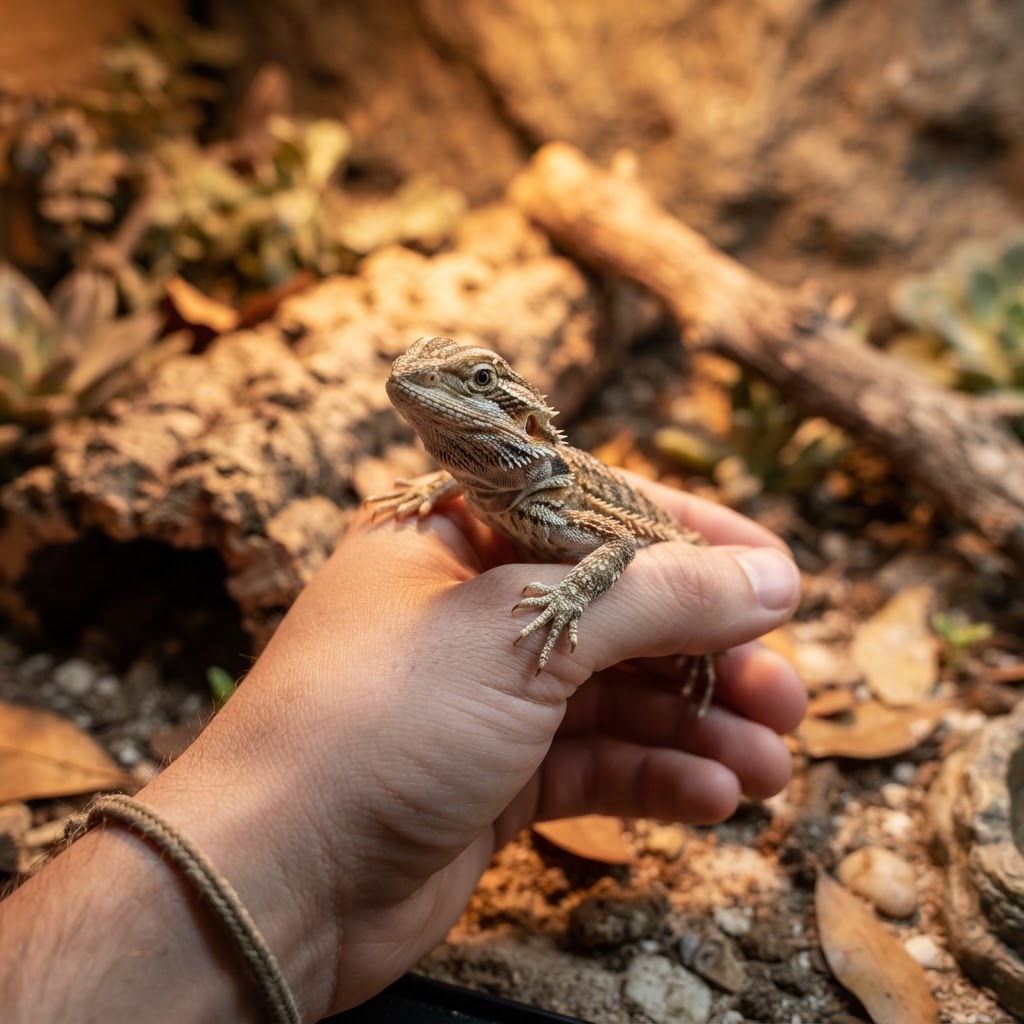
Bearded dragons are often calm, but babies are still prey animals. That means their first habits around people may include freezing, backing away, puffing slightly, or darting when a hand comes from above. This is normal caution, not bad temperament.
Build trust with short, predictable sessions. Approach slowly from the side, support the whole body, and keep early handling to a few minutes. Many babies settle better if handling happens after they have basked and eaten rather than first thing in the morning.
You may also notice small social signals such as arm waving, head bobbing, or a darkened beard during stress. These behaviors do not always mean aggression. Sometimes they simply reflect uncertainty or overstimulation. If your baby repeatedly flattens its body, keeps its mouth open defensively, or tries frantically to flee, end the session and try again later.
Normal Quirks vs Warning Signs
One of the biggest parts of what to know about baby bearded dragon habits is learning the difference between harmless quirks and behaviors that need action.
Usually normal:
- Sleeping in odd positions
- Pausing for long periods to watch movement
- Eating less during a shed
- Hiding for part of the day
- Brief glass surfing after moving into a new enclosure
- Occasional darkening when warming up
Potential warning signs:
- Lethargy all day for more than a day or two
- Closed eyes during daylight hours
- Ongoing refusal to eat in a young baby
- Weak grip, wobbling, or trouble aiming at food
- Constant black beard paired with stress or collapse
- Runny stool, blood in stool, or extreme odor
- Fast breathing, wheezing, or mucus around the nose
- Continuous glass surfing and frantic pacing
If you see a pattern of stress behaviors, review this guide on signs of stress in baby bearded dragons. Start with the basics: heat, UVB, enclosure size, hiding spots, diet, hydration, and recent changes in the room. If the behavior continues, a reptile veterinarian is the right next step.
How to Build Healthy Habits Every Day
Another important part of what to know about baby bearded dragon habits is that routine creates stability. Babies do best when each day feels predictable.
Try this simple daily rhythm:
- Turn lights on at the same time each morning.
- Let your dragon warm up before offering food.
- Feed in scheduled sessions and remove leftovers.
- Refresh water and greens daily.
- Spot-clean waste quickly.
- Spend a minute observing posture, alertness, and movement.
- Keep nighttime dark and quiet.
A small notebook or phone note can help more than most owners realize. Record appetite, bowel movements, sheds, weekly weight, and unusual behavior. Patterns become easier to spot when you have a written baseline instead of relying on memory.
Conclusion
When you understand what to know about baby bearded dragon habits, your dragon becomes much easier to care for. Basking, eating, exploring, hiding, shedding, and sleeping are all part of a healthy rhythm, especially during the fast-changing first year.
The key is to watch for patterns rather than reacting to every single off day. A baby beardie with proper heat, UVB, food, and a calm routine will usually show you what it needs through its habits.
Frequently Asked Questions
How much do baby bearded dragons sleep?
Babies often sleep 10 to 12 hours per night when their lights follow a normal day-night cycle. Some may nap or rest quietly during the day, especially after eating or during a shed. As long as they are alert when warmed up, deep nighttime sleep is normal.
Is it normal for a baby bearded dragon to hide a lot?
Some hiding is normal, especially in a new home or after meals. Constant hiding is less normal, particularly if it comes with poor appetite, dark coloring, or low energy. Check enclosure security, temperatures, and stressors in the room.
Why does my baby bearded dragon scratch or surf on the glass?
Brief glass surfing can happen when a baby is adjusting to a new enclosure, sees movement, or wants a better basking or feeding spot. Frequent glass surfing may point to stress, incorrect temperatures, boredom, reflection confusion, or an enclosure that needs layout adjustments.
Do baby bearded dragons need to eat every day?
Yes, most babies need food every day, with multiple insect feeding opportunities depending on age and size. They also benefit from a daily offering of greens, even if they ignore most of it at first. Missing an occasional small meal is not always an emergency, but repeated refusal should be investigated quickly in young dragons.
Is head bobbing normal in baby bearded dragons?
It can be. Head bobbing may happen in response to reflections, other dragons, excitement, or mild territorial behavior. In babies it is usually not a serious issue by itself. Focus on the full picture, including appetite, color, posture, and stress level.
When should I worry about unusual habits?
Worry less about a single odd moment and more about repeated patterns. Contact a reptile vet if your baby shows persistent lethargy, ongoing refusal to eat, abnormal stool, weight loss, breathing trouble, weak movement, or a combination of stress signs that do not improve after husbandry corrections.