Introduction
Bringing home a baby bearded dragon is exciting, but it can also feel a little confusing at first. One minute your tiny beardie is sprinting across the enclosure, the next it is frozen under a hide, scratching at the glass, or staring at you with one eye half closed. New owners often wonder which behaviors are normal, which ones are stress-related, and when it is time to worry.
Learning how to recognize baby bearded dragon behavior is one of the fastest ways to become a confident owner. Baby beardies between 0 and 12 months old are more active, more reactive, and often more dramatic than adults. They are growing quickly, adjusting to a new environment, and developing routines that tell you a lot about their health.
In this guide, you will learn what normal baby behavior looks like, how it changes as your dragon grows, and how to spot the difference between harmless quirks and true warning signs. If you pay attention to patterns instead of one isolated moment, your baby bearded dragon becomes much easier to understand.
Affiliate disclosure: As an Amazon Associate I earn from qualifying purchases. BabyBeardedDragon.net is a participant in affiliate programs including Amazon Associates. We may earn a commission on qualifying purchases at no extra cost to you.
Key Takeaways
- Baby bearded dragons are usually more energetic, skittish, and sensitive than adults.
- Normal behaviors include basking, exploring, brief hiding, glass surfing, digging, and shedding-related rubbing.
- Context matters: a dragon that hides all day, eats poorly, and looks dark is more concerning than a dragon that briefly hides after handling.
- Setup problems are one of the biggest causes of unusual behavior, especially incorrect heat, weak UVB, poor hiding options, or too much activity around the tank.
- Track daily patterns such as appetite, basking time, poop frequency, shedding, and reactions to handling.
- Contact a reptile vet if behavior changes suddenly and is paired with lethargy, weight loss, breathing issues, swelling, or continued refusal to eat.
Why Baby Behavior Matters More Than You Think
A baby bearded dragon does not speak, but it communicates constantly through posture, movement, color, appetite, and activity level. That is why behavior is such an important part of daily care. Many health and husbandry issues first show up as behavior changes before they become obvious physical problems.
For example, a baby that stops basking may be too cold. A baby that repeatedly closes its eyes around you may be stressed. Constant hiding can point to fear, illness, or an enclosure that feels too exposed. On the other hand, some behaviors that look strange to beginners are completely normal. A flattened body under the heat lamp, a slightly open mouth while basking, or a sudden burst of digging can all be part of healthy dragon life.
Because babies grow fast, their routines can shift from week to week. That makes it especially useful to learn your dragon's baseline. If you are still setting up your care routine, these guides on baby bearded dragon tank setup and baby bearded dragon lighting and UVB can help create the right environment for normal behavior.
Normal Baby Bearded Dragon Behaviors
Understanding what healthy, age-appropriate behavior looks like helps you avoid unnecessary worry.
Basking, Flattening, and Stretching Out
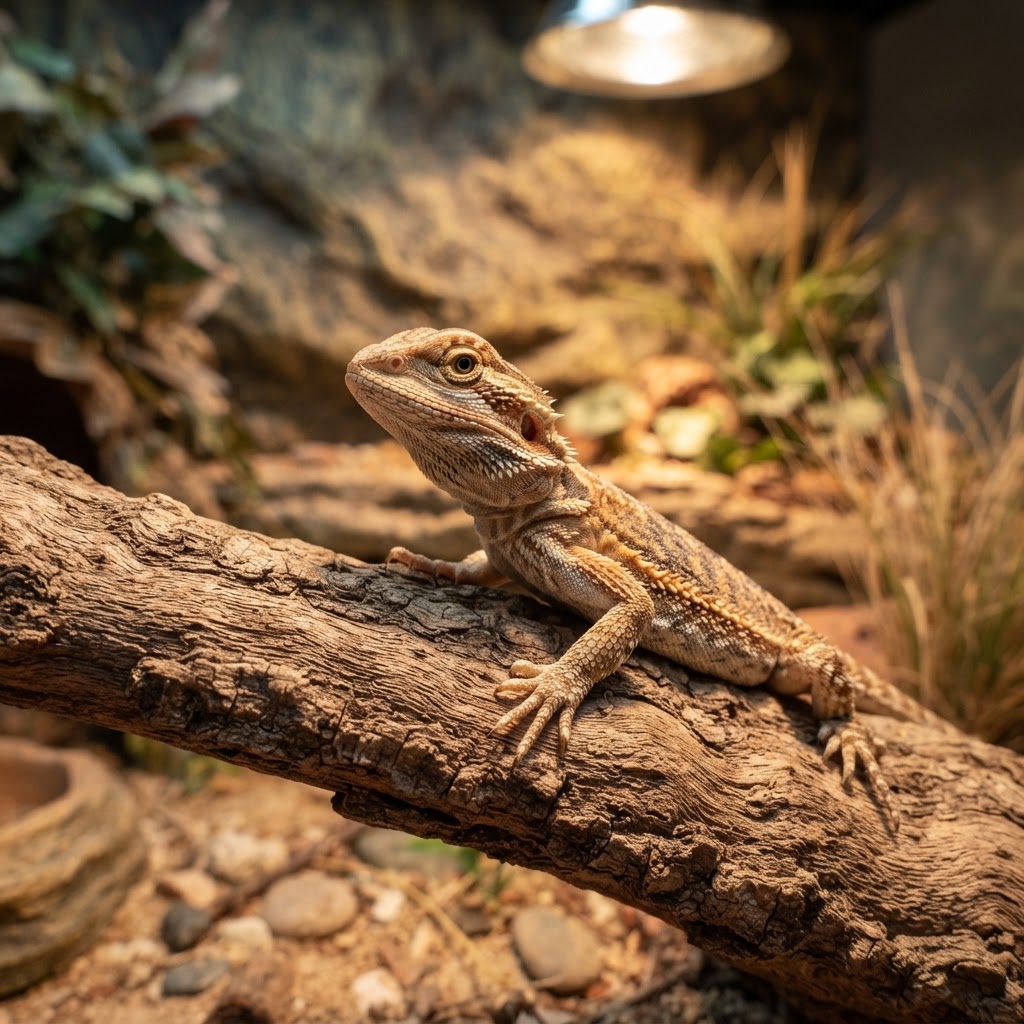
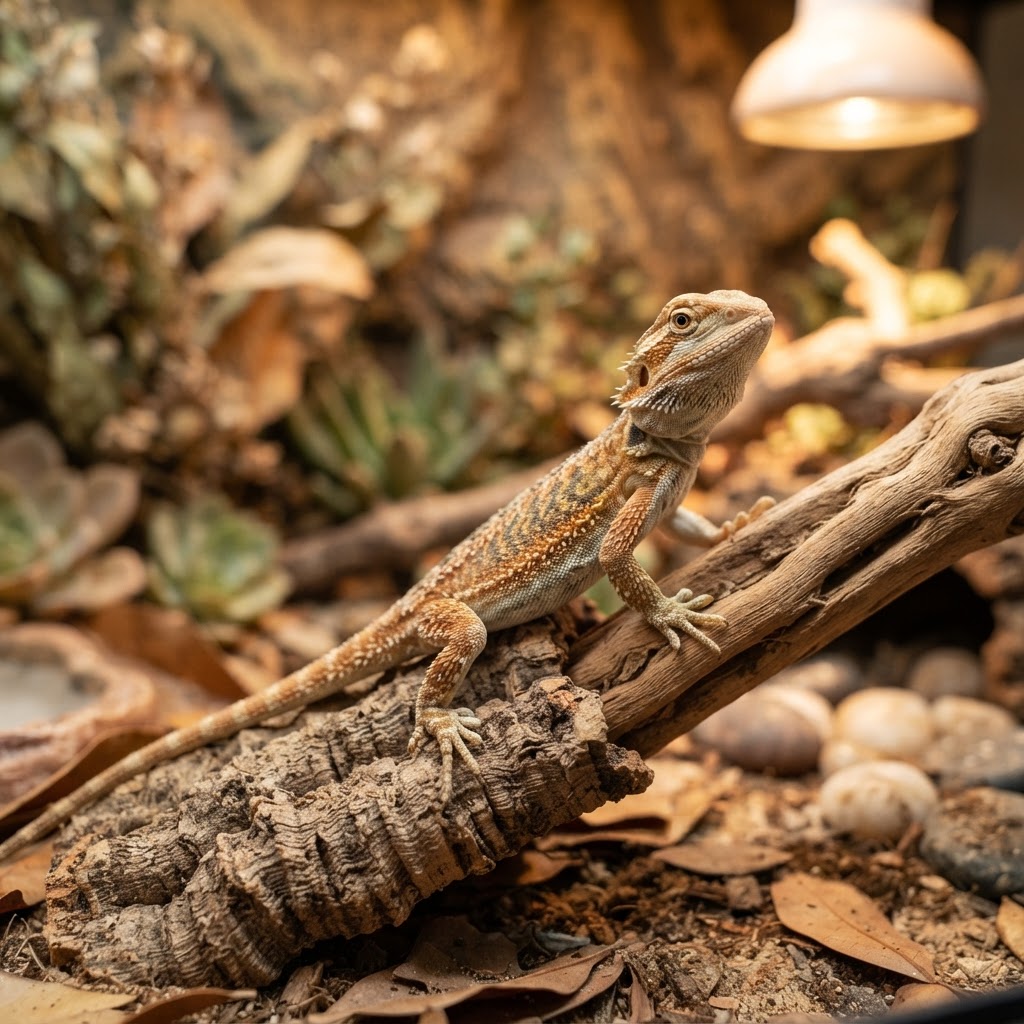
One of the most common normal behaviors is basking. A healthy baby beardie will spend a lot of time under its heat source after waking up, after meals, and during active periods. While basking, it may flatten its body like a pancake to absorb more heat or stretch its legs out in what owners sometimes call the superman pose.
A baby may also open its mouth slightly while basking. This is called gaping and is often a normal way to regulate body temperature when the dragon is warm enough. If the dragon is otherwise alert and calm, occasional gaping under the basking spot is usually not a problem.
Practical tip: if your baby refuses to bask or keeps trying to escape the basking area, check temperatures first. Many babies do best with a basking surface around 105-110°F and a cooler side in the upper 70s to mid 80s, measured with a reliable probe or infrared device.
Quick Bursts of Energy and Constant Exploring
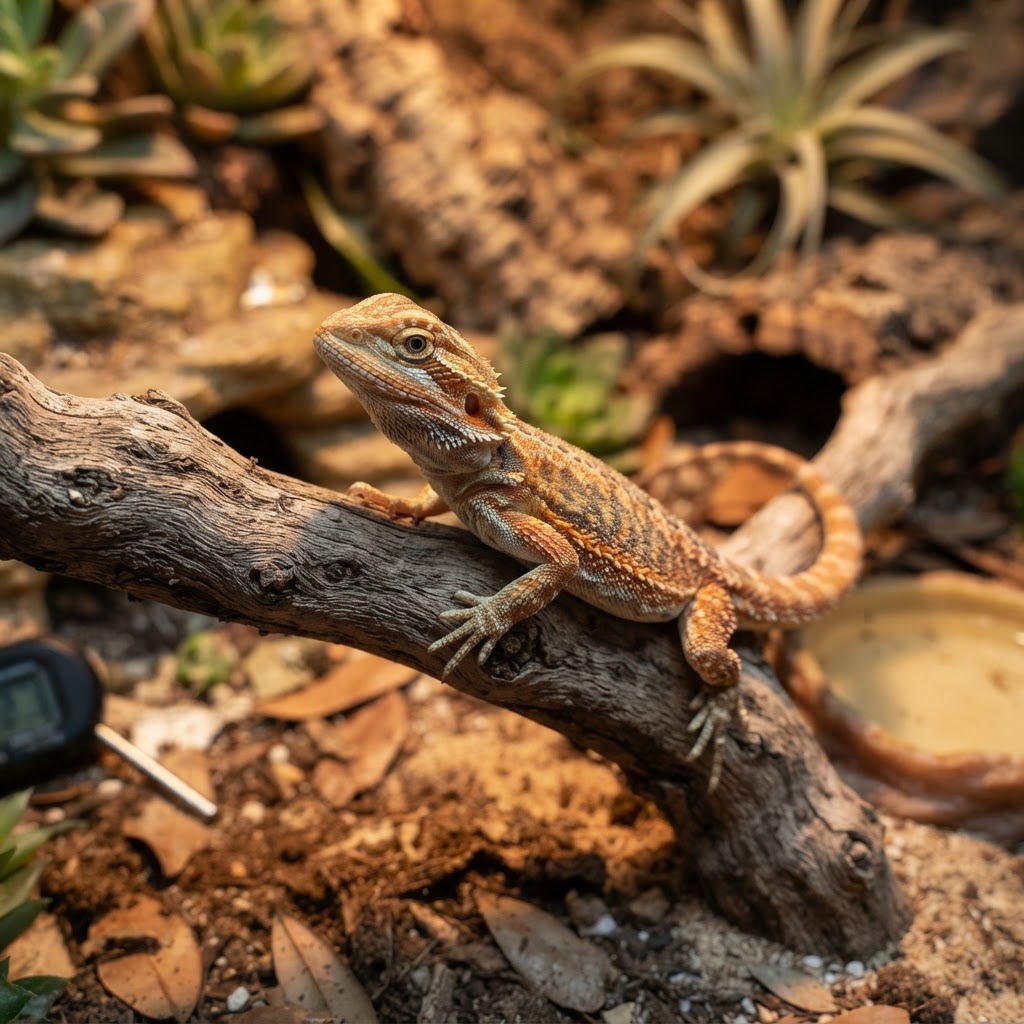
Baby beardies are often busy. They may run from one side of the enclosure to the other, climb low branches, chase feeder insects with surprising speed, and investigate anything new. This active, curious behavior is usually a good sign.
Short episodes of glass surfing can also happen, especially in a new home or after seeing movement outside the tank. A baby may pace along the front panel because it sees reflections, wants to explore, or feels overstimulated. If it happens briefly and the dragon otherwise eats, basks, and settles down, it is not automatically serious.
However, nonstop pacing all day is different. Frequent restless behavior can point to stress, poor enclosure layout, or temperatures that are off.
Hiding, Freezing, and Being Startled
New owners sometimes expect a baby bearded dragon to be confident right away. In reality, babies are prey animals with strong survival instincts. It is normal for them to freeze when you approach, dart into a hide, or stay still after a sudden sound.
A healthy baby may hide for short periods, especially after arriving home, during shedding, or after a handling session. Many also prefer spending part of the day in a secure corner before returning to bask.
What matters is duration. Brief hiding is normal. Hiding nearly all day for several days, especially with poor appetite and low energy, deserves closer attention.
Arm Waving, Head Bobbing, and Social Signals
Even babies can show classic bearded dragon body language. A slow arm wave is often a submissive or cautious signal. It may happen if your dragon sees its reflection, notices another reptile, or feels unsure. Head bobbing can appear in some young dragons too, though it is more dramatic in older males.
These behaviors are not always aggressive. They are part of communication. If you want to learn more about stress-related body language, see signs of stress in baby bearded dragons.
Digging, Scratching, and Shedding Behavior
Babies often dig at corners, scratch at surfaces, or rub against decor. Sometimes they are exploring. Sometimes they are trying to settle into a secure resting spot. Very often, they are getting ready to shed.
During shedding, behavior can change quickly. A baby may seem a little grumpy, less interested in handling, or more focused on rubbing its face and body against safe surfaces. Mild appetite dips and extra hiding can happen too.
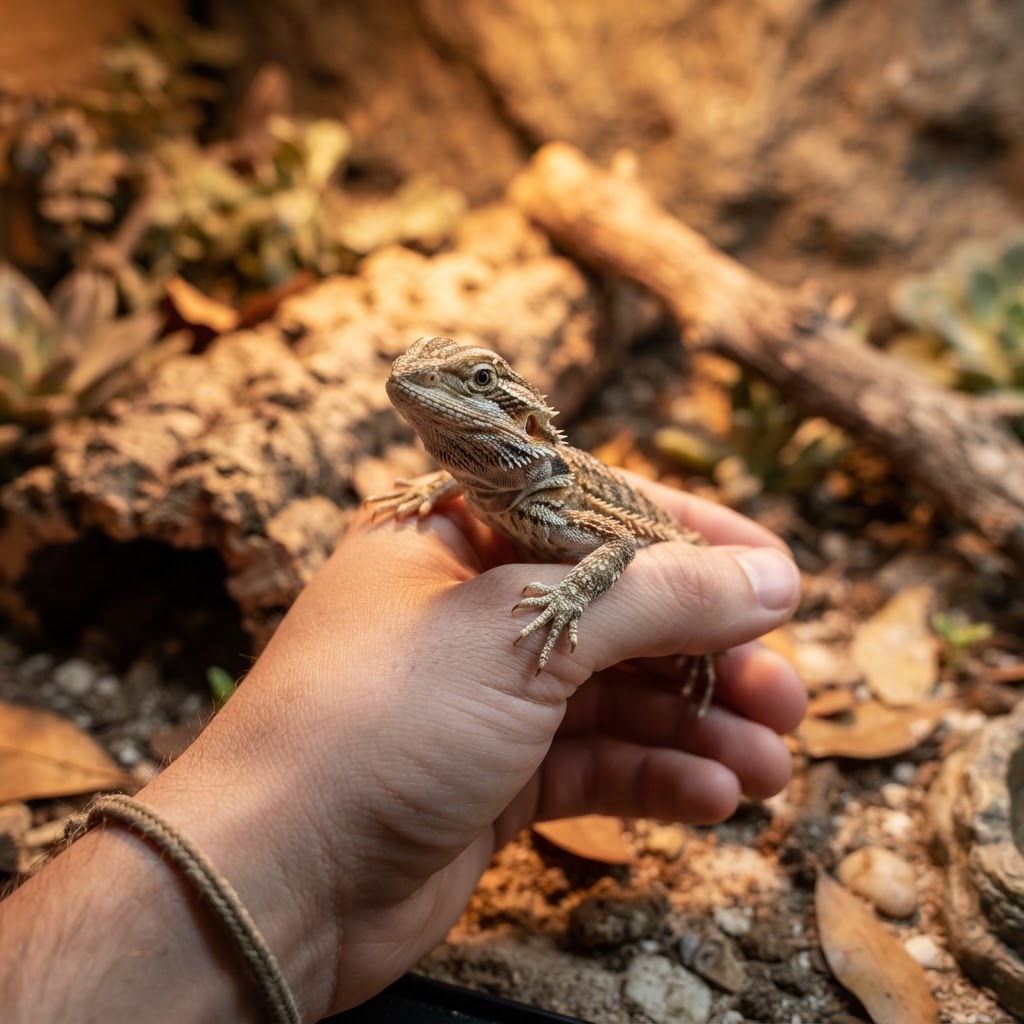
If the dragon is eating, basking, and shedding in patches without signs of illness, this is usually normal. For more help during this stage, read baby bearded dragon handling for stress reduction and handling timing.
How Behavior Changes From 0 to 12 Months
A baby at 8 weeks old does not behave exactly like a dragon at 10 months old. Age matters.
0-3 Months: Tiny, Fast, and Easily Spooked
Very young babies are often the most jumpy. They may bolt when you reach into the tank, miss strikes at food, and switch quickly between active exploring and sudden freezing. Their appetite is usually high, and they spend a lot of time basking between meals.
At this age, short handling sessions and a predictable routine help build trust.
4-6 Months: More Confidence, More Personality
Many juveniles become bolder in this stage. They start recognizing feeding patterns, may approach the front of the tank when they see you, and often become more deliberate climbers and baskers. You may also notice stronger food preferences and clearer daily rhythms.
This is a great time to observe patterns closely because personality starts to show.
7-12 Months: More Stable Routines
Older babies and young juveniles often settle into more consistent habits. They may spend longer periods basking calmly, become easier to handle, and show fewer startle responses than very young babies. Some also begin showing more obvious social displays such as head bobbing or territorial postures toward reflections.
A gradual increase in calmness is normal. A sudden drop in energy is not.
Normal or Stress? How to Tell the Difference
If you are still learning how to recognize baby bearded dragon behavior, start by comparing one behavior with the rest of the dragon's routine. Healthy behavior usually comes with a good appetite, regular basking, alert eyes, steady growth, and normal poops. Stress behavior often appears in clusters.
Signs a Behavior Is Probably Normal
Look for these reassuring patterns:
- The behavior is brief and the dragon returns to normal activity
- Appetite remains good
- The dragon still basks daily
- Eyes are bright and alert
- Body condition looks healthy
- The dragon responds normally to food and movement
Examples include brief hiding after lights come on, a little glass surfing before feeding time, rubbing during shed, or gaping under the basking lamp.
Signs Stress May Be the Real Issue
Stress becomes more likely when you see several of these together:
- Darker overall color or stress marks that stay visible for long periods
- Constant glass surfing or frantic pacing
- Refusing food for more than a day or two in a young baby
- Staying on the cool side all day
- Closing eyes when approached
- Flattening the body in a tense way rather than a relaxed basking pose
- Hiding most of the day for multiple days
Common stress triggers include a bare enclosure, too much traffic around the tank, frequent handling too soon, incorrect temperatures, weak UVB, or cohabitation with another dragon.
Practical fix: make the environment feel safe first. Add visual cover, provide at least one proper hide, keep the enclosure in a calmer location, and avoid overhandling for several days. Many babies improve once they feel secure.
How to Recognize Baby Bearded Dragon Behavior Day by Day
The easiest way to understand your dragon is to observe it at the same times every day. A two-minute check in the morning, afternoon, and evening can reveal a lot.
A Simple Daily Behavior Checklist
Ask yourself:
- Did the dragon wake up and move toward the basking area?
- Did it eat with normal interest?
- Did it spend time exploring or changing positions?
- Is it holding its body normally?
- Are the eyes open, alert, and clear?
- Did it poop, and was the stool normal for your dragon?
- Is it more reactive than usual during handling?
- Is it shedding or rubbing against decor?
Writing these notes in a phone app or notebook makes subtle changes easier to spot. This is especially useful during the first month at home.
Focus on Patterns, Not One Weird Moment
A single unusual behavior is rarely enough to tell the whole story. Babies have off moments. They may miss a meal, hide after a loud noise, or sleep awkwardly. What matters is whether the pattern continues.
For example:
- A baby that hides for two hours after a handling session may just be tired.
- A baby that hides for three days, refuses food, and looks dark is sending a stronger warning.
- A baby that surfs the glass before breakfast may be excited.
- A baby that glass surfs all day while ignoring the basking spot may be stressed.
This pattern-based approach is the real key to reading behavior correctly.
When to Contact a Reptile Vet
Behavior changes are often caused by husbandry, but not always. Sometimes unusual behavior is an early illness sign.
Call a qualified reptile vet if your baby bearded dragon shows:
- Persistent lethargy or weakness
- Refusal to eat for several days, especially in a very young baby
- Weight loss or a thinner tail base
- Wheezing, clicking, or open-mouth breathing away from the basking spot
- Swelling of the limbs or jaw
- Trouble moving, trembling, or poor coordination
- Diarrhea that continues or foul-smelling stool
- Black beard or dark stress coloration that does not improve
- A sudden major behavior change with no obvious setup cause
Before the appointment, review basics like heat, UVB, hydration, and recent diet changes. Many owners find that correcting setup issues helps, but do not delay veterinary care when symptoms are significant.
Final Thoughts
In the end, how to recognize baby bearded dragon behavior comes down to knowing what is normal for babies, creating a proper environment, and paying attention to change over time. A healthy baby beardie should show a mix of basking, eating, exploring, resting, and reacting to its surroundings. Some shyness is normal. Constant fear, low energy, or a sharp routine change is not.
The more you observe calmly and consistently, the easier it becomes to tell the difference between normal baby quirks and signs that your dragon needs help.
Frequently Asked Questions
Why does my baby bearded dragon stare at me and freeze?
Freezing is a common prey response, especially in young dragons that are still adjusting to a new home. If your baby relaxes after a moment and returns to basking or exploring, it is usually normal caution rather than illness.
Is glass surfing always a bad sign?
No. Brief glass surfing can happen when a baby is curious, sees movement, or expects food. It becomes more concerning when it is frequent, frantic, and paired with poor appetite, dark coloration, or refusal to bask.
Why is my baby bearded dragon hiding so much?
Short hiding sessions are normal after handling, during shedding, or in the first days after bringing a baby home. Hiding most of the day for several days may point to stress, incorrect temperatures, weak UVB, or illness.
Does an open mouth mean my baby is angry?
Not always. While basking, a slightly open mouth is often normal gaping used for temperature regulation. If the dragon is puffed up, flattening defensively, or acting agitated outside the basking area, then it may be stress or a warning display.
How do I know if behavior changes are caused by handling?
Handling stress often shows up as darting away, dark stress marks, hiding afterward, or closing the eyes when touched. Keep sessions short, support the whole body, and allow several calm days between sessions if your baby seems overwhelmed.
When should I worry about a baby bearded dragon being less active?
Worry when lower activity lasts more than a day or two and comes with other symptoms such as poor appetite, staying on the cool side, weight loss, dark coloration, abnormal stool, or weakness. Babies should usually be alert and regularly interested in food and heat.
What is the best first step if my baby's behavior suddenly changes?
Start by checking the enclosure. Review basking temperature, cool side temperature, UVB placement, hiding spots, and recent stressors. If everything looks correct and the behavior remains off, especially with other symptoms, contact a reptile vet promptly.