Introduction
Baby bearded dragons grow quickly, eat often, and can change from “totally fine” to “something seems off” faster than many new owners expect. Because they are small and still developing, even minor problems with heat, UVB, hydration, or diet can affect their health in a short time. That is why learning how to monitor baby bearded dragon health is one of the most important skills you can build during the first year.
The good news is that you do not need to be a reptile expert to notice early warning signs. In most cases, good monitoring comes down to simple habits: watching your dragon’s behavior, checking how well it eats, keeping an eye on stools, and tracking growth over time. These small checks help you spot problems early, support healthy development, and feel much more confident as an owner.
In this guide, you will learn exactly what to watch in a baby bearded dragon from 0 to 12 months old, how often to check it, what changes are normal, and when a reptile vet should be involved.
Why Health Monitoring Matters for Babies
Adult bearded dragons can be hardy pets, but babies are more sensitive. They need frequent feeding, strong UVB exposure, proper basking temperatures, and steady hydration to grow correctly. If one part of their care is off, their bodies often show it quickly.
Regular monitoring helps you:
- Catch illness before it becomes an emergency
- Notice appetite or weight changes early
- Confirm that your setup is supporting growth
- Reduce stress by creating a predictable routine
- Give your vet clearer information if something goes wrong
Think of monitoring as prevention, not panic. You are not looking for reasons to worry every day. You are learning your dragon’s normal patterns so unusual changes stand out.
If you are still building your routine, start with a solid baby bearded dragon care guide and make sure your enclosure basics are correct with this baby bearded dragon tank setup guide.
What a Healthy Baby Bearded Dragon Usually Looks Like
Before you can notice a problem, you need to know what “healthy” tends to look like.
Alert behavior and strong interest in food
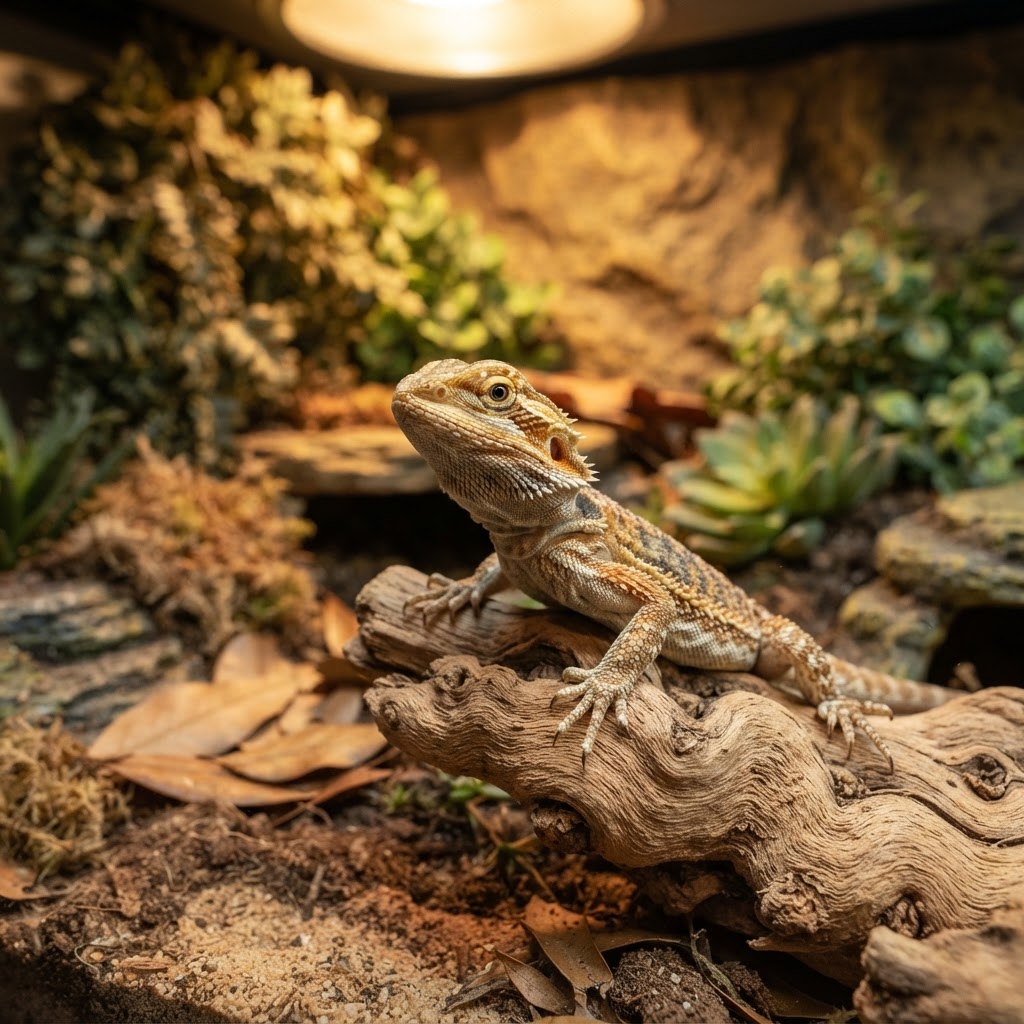
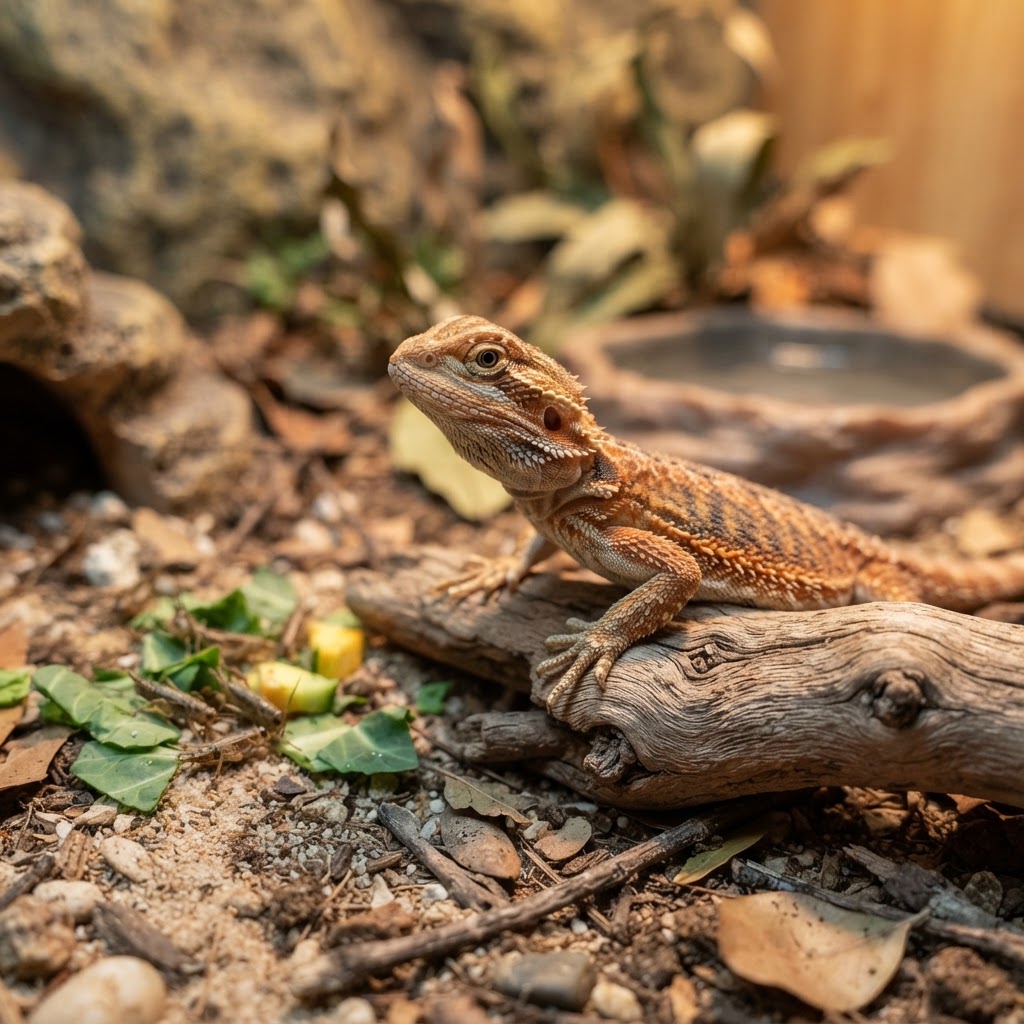
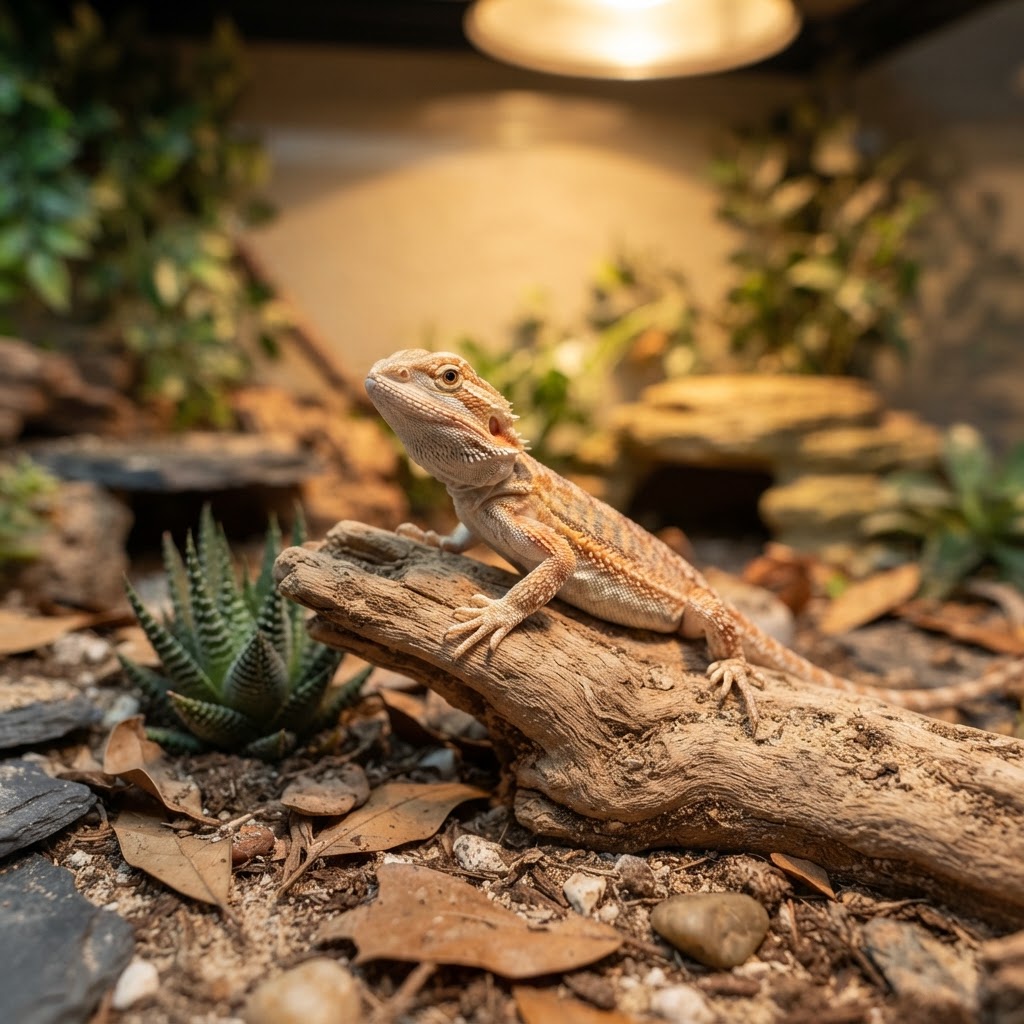
Most healthy babies are curious, visually aware, and eager to hunt insects. While every dragon has its own personality, young beardies are usually active during the day, especially after warming up under their basking spot. They should notice movement around the tank and often become excited when food appears.
A baby that is consistently weak, limp, unusually still, or uninterested in eating may need closer attention.
Bright eyes, clear nose, and clean mouth
Healthy baby bearded dragons generally have:
- Eyes that are open, bright, and not sunken
- Nostrils free of crust or mucus
- A mouth with pink tissue and no excess saliva
- No bubbling around the nose or lips
Occasional sleepy moments are normal, especially early in the morning or near lights-out. But repeated eye closing during the day, visible discharge, or gaping outside of basking can signal a problem.
Steady growth and filled-out body shape
Baby beardies should gain weight and length over time. They should not look bony, flattened, or severely thin at the tail base and hips. Growth does not happen in a perfectly straight line every week, but the overall trend should be upward.
If you are unsure what normal development looks like, compare your observations with this guide to baby bearded dragon growth rate.
Strong movement and normal posture
A healthy baby usually walks with control, holds itself up well, and climbs or basks confidently. Watch for smooth movement in all four legs and a lifted body posture.
Red flags include:
- Tremors or twitching
- Dragging legs
- Difficulty climbing
- Weak grip
- A soft or shaky jaw
These signs may point to serious issues such as poor calcium metabolism, low UVB exposure, or injury.
Regular shedding and normal skin condition
Babies shed often because they grow fast. Dull skin before a shed is normal, and pieces may come off in stages rather than all at once. What is not normal is skin that looks infected, swollen toes from stuck shed, or persistent dark discoloration paired with lethargy.
For more help, read about baby bearded dragon shedding.
Your Daily Baby Beardie Health Check Routine
If you want a simple system for how to monitor baby bearded dragon health, use a short morning-and-evening routine. It only takes a few minutes.
Morning check
Before feeding, look at your dragon in the enclosure and ask:
- Did it move to the basking area after lights came on?
- Are the eyes open and alert?
- Is the beard a normal color?
- Is breathing quiet and easy?
- Does the body posture look balanced and strong?
A baby that stays hidden long after lights-on, keeps its eyes closed, or looks unusually dark for hours may be stressed, cold, or unwell.
Feeding check
During feeding time, observe:
- How quickly it notices food
- Whether it chases insects normally
- How much it eats compared with usual
- Whether chewing and swallowing look normal
- Whether it can aim accurately at prey
A single smaller meal is not always a crisis. Babies can eat less during shedding, after relocation, or after mild stress. But a clear drop in appetite for more than a day or two deserves investigation, especially in very young dragons.
If appetite changes are a concern, these resources may help: what do baby bearded dragons eat and baby bearded dragon not eating.
Evening check
Later in the day, check again for:
- Normal basking and movement patterns
- Stool production
- Signs of dehydration
- Any injuries, swelling, or unusual spots
- Whether the enclosure stayed clean and properly heated
This second check is useful because some problems do not show up clearly in the morning. By evening, you can assess energy level, digestion, and overall daily behavior.
Track Weight, Growth, and Bathroom Habits
One of the best ways to learn how to monitor baby bearded dragon health is to keep a simple log. What feels like a vague concern becomes much clearer when you can compare this week to last week.
Weigh your dragon weekly
Use a small digital kitchen scale and weigh your baby at the same time each week, ideally before feeding. Place your dragon in a small container on the scale for safety.
Write down:
- Date
- Weight in grams
- Any shedding, appetite change, or unusual behavior
A healthy baby should generally trend upward over time. Small week-to-week variations can happen, but ongoing weight loss is a major warning sign.
Measure length once or twice a month
Length is less precise than weight because baby dragons wiggle, but it still helps. Measure from nose to tail tip if possible, or note approximate body and tail growth with photos.
Monthly photos under similar lighting can be very helpful. They let you see body condition, posture, and growth in a way memory often misses.
Pay close attention to poop
Your dragon’s stool tells you a lot about digestion, hydration, and stress. Normal baby bearded dragon poop usually includes:
- A dark brown fecal portion
- A white urate portion
- A formed but not rock-hard texture
Concerning stool changes include:
- Runny diarrhea lasting more than a day or two
- Very dry, tiny stools
- Blood or obvious mucus
- Strong foul odor far beyond normal
- No stool despite normal feeding for an unusual length of time
Also watch how often your dragon goes. Frequency varies with age, food intake, temperatures, and hydration, but sudden major changes matter.
Watch the Enclosure, Because Health Starts There
A baby dragon’s body reflects its environment. Many “health issues” begin as husbandry issues.
Check temperatures daily
Improper heat can affect appetite, digestion, immunity, and energy. Babies need a basking area warm enough to support digestion and a cooler side so they can thermoregulate.
Use reliable digital thermometers with probes or an infrared temp gun to confirm surface temperatures. If your dragon is not eating well, seems sluggish, or stays in odd spots, check temperatures before assuming illness.
You can review lighting and heat basics in this baby bearded dragon UVB guide and learn more about basking temperature for baby bearded dragons.
Confirm UVB is correct
Babies need proper UVB to use calcium and build strong bones. Weak, old, blocked, or poorly positioned UVB bulbs can lead to serious health problems over time.
Make sure:
- The bulb type is appropriate for bearded dragons
- It is mounted at the correct distance
- Plastic or glass is not blocking it
- It is replaced on schedule according to manufacturer guidance
If your dragon has weakness, tremors, poor growth, or a soft jaw, review your UVB setup immediately.
Monitor hydration and humidity
Baby beardies can dehydrate more quickly than adults. Signs may include wrinkled skin, tacky saliva, sunken eyes, dry urates, and lethargy. Offer fresh water, hydrating greens when age-appropriate, and proper feeder moisture.
Humidity should stay in a reasonable range for the species. Too much moisture can contribute to respiratory trouble, while overly dry conditions combined with inadequate hydration can worsen shedding and dehydration.
Keep the habitat clean and low-stress
Spot-clean feces daily, remove uneaten insects, and disinfect enclosure items regularly. A dirty tank increases the risk of bacterial buildup and parasite spread.
Also consider stress. Constant handling, lack of hiding spaces, loud surroundings, and cohabitation can all affect a baby dragon’s health. Stress often shows up first as dark coloring, glass surfing, reduced appetite, or frantic behavior.
Warning Signs You Should Never Ignore
Even with careful observation, babies can become sick. Knowing when a sign is urgent matters just as much as routine monitoring.
Appetite loss that lasts
A baby missing one meal is not always an emergency. A baby refusing food for multiple days, especially while also acting weak or losing weight, should be taken seriously.
Lethargy during normal daytime hours
Baby dragons do not brumate like healthy adults sometimes do. A very young beardie that is consistently sleepy, cold-seeking, weak, or inactive usually needs a husbandry review and possibly a vet visit.
Breathing problems
Call a reptile vet promptly if you see:
- Wheezing
- Clicking sounds
- Open-mouth breathing when not basking
- Mucus from nose or mouth
- Head raised high for prolonged breathing effort
Swelling, twitching, or trouble moving
These signs may indicate injury, metabolic bone disease, or neurological issues. Do not wait to “see if it improves” if your baby cannot move normally.
Severe diarrhea, constipation, or abnormal poop
Digestive issues can quickly affect hydration and energy in small dragons. Persistent diarrhea, straining, a swollen belly, or no stool with decreased appetite should not be ignored.
Rapid weight loss or a sunken appearance
If the tail base thins, hip bones become prominent, or the dragon looks suddenly deflated, get help quickly.
For a fuller checklist, see signs of illness in baby bearded dragons.
When to Call a Reptile Vet
Home observation is valuable, but it does not replace veterinary care. Schedule a reptile vet visit if your baby bearded dragon has:
- Refused food for more than 2-3 days
- Lost weight across repeated weigh-ins
- Labored breathing or discharge
- Weakness, tremors, or abnormal posture
- Diarrhea lasting more than a couple of days
- Possible impaction or no stool with discomfort
- Injury, burns, or visible swelling
If you can, bring your care notes. A log of temperatures, UVB type, feeding, stool changes, and weight can help a vet diagnose the problem faster.
Key Takeaways
- Baby bearded dragons need closer monitoring than adults because they grow fast and can decline quickly.
- The easiest way to learn how to monitor baby bearded dragon health is to build a short daily routine around behavior, appetite, and appearance.
- Weekly weight checks are one of the most useful tools for spotting trouble early.
- Poop, hydration, movement, and body posture can reveal health issues before they become severe.
- Many problems begin with enclosure mistakes, especially incorrect heat or UVB.
- Persistent appetite loss, breathing issues, weakness, swelling, or weight loss mean it is time to contact a reptile vet.
Frequently Asked Questions
How often should I check my baby bearded dragon’s health?
You should do a quick visual check at least twice a day and a more detailed review weekly. Daily checks help you notice appetite, energy, posture, and stool changes. Weekly weigh-ins help confirm your dragon is growing properly.
What is the best way to weigh a baby bearded dragon?
Use a digital kitchen scale that measures in grams. Place a small container on the scale, tare it to zero, then gently put your dragon inside. Weigh at the same time each week for the most useful comparison.
Is it normal for a baby bearded dragon to eat less during shedding?
Yes, some babies eat a little less or act slightly fussier during a shed. However, they should still remain fairly alert. If appetite drops sharply, lasts several days, or comes with lethargy, check temperatures and hydration and consider a vet if it continues.
How do I know if my baby bearded dragon is dehydrated?
Common signs include sunken eyes, wrinkled skin, thick saliva, dry urates, and low energy. Review hydration, feeder moisture, temperatures, and overall husbandry. If dehydration looks significant or your dragon is weak, contact a reptile vet promptly.
Can a baby bearded dragon brumate?
True brumation is uncommon and generally not something you should assume in a baby. If a young dragon becomes inactive, hides constantly, or stops eating, first suspect husbandry problems or illness rather than normal seasonal behavior.
What should I record in a health log?
Keep notes on weight, feeding amount, shed cycles, stool quality, behavior changes, and enclosure temperatures. Photos taken every few weeks are also useful for monitoring growth and body condition.
What is the biggest mistake new owners make when monitoring health?
Many beginners rely on memory instead of written tracking. Without notes, it is easy to miss slow weight loss, reduced feeding, or gradually worsening behavior. The more consistent your routine, the easier it becomes to spot real problems early.