How Often Do Baby Beardies Shed?
Baby bearded dragons shed their skin frequently — sometimes every 4–6 weeks during peak growth phases. This is completely normal. As they grow older and their growth rate slows, shedding becomes less frequent.
| Age | Shed Frequency | |-----|---------------| | 0–3 months | Every 2–4 weeks | | 3–6 months | Every 4–6 weeks | | 6–12 months | Every 6–8 weeks | | Adults | Every 3–6 months |
Signs a Shed Is Coming
Watch for these pre-shed signals 3–7 days before shedding begins:
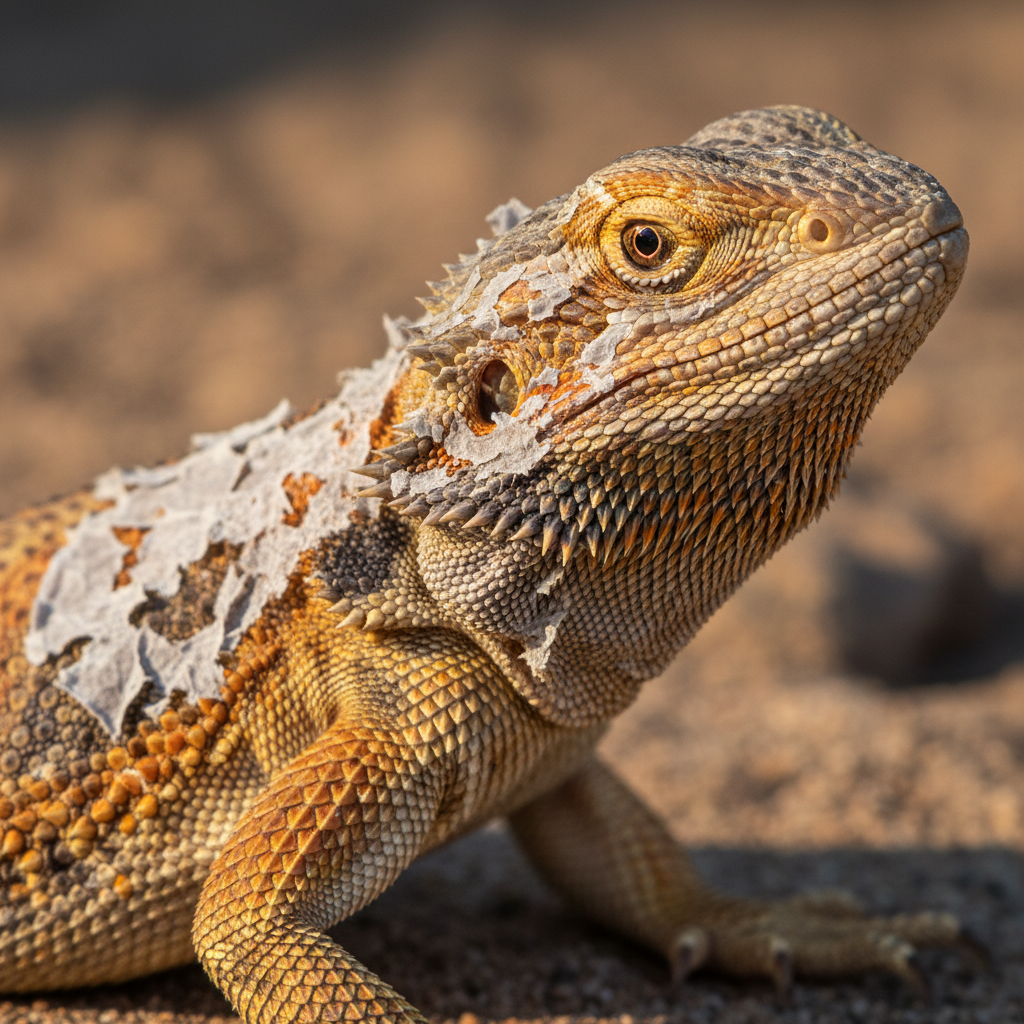
- Skin appears dull, grayish, or opaque
- Eyes look cloudy or blue-tinted
- Slight puffiness or "bloated" appearance
- Reduced appetite
- More time spent hiding or resting
- Scratching and rubbing against decor
How to Help During a Shed
Do:
- Offer warm baths (85–88°F) for 15–20 minutes daily — this softens old skin
- Maintain humidity slightly higher than normal (30–40%)
- Leave them alone — handling during shed is stressful
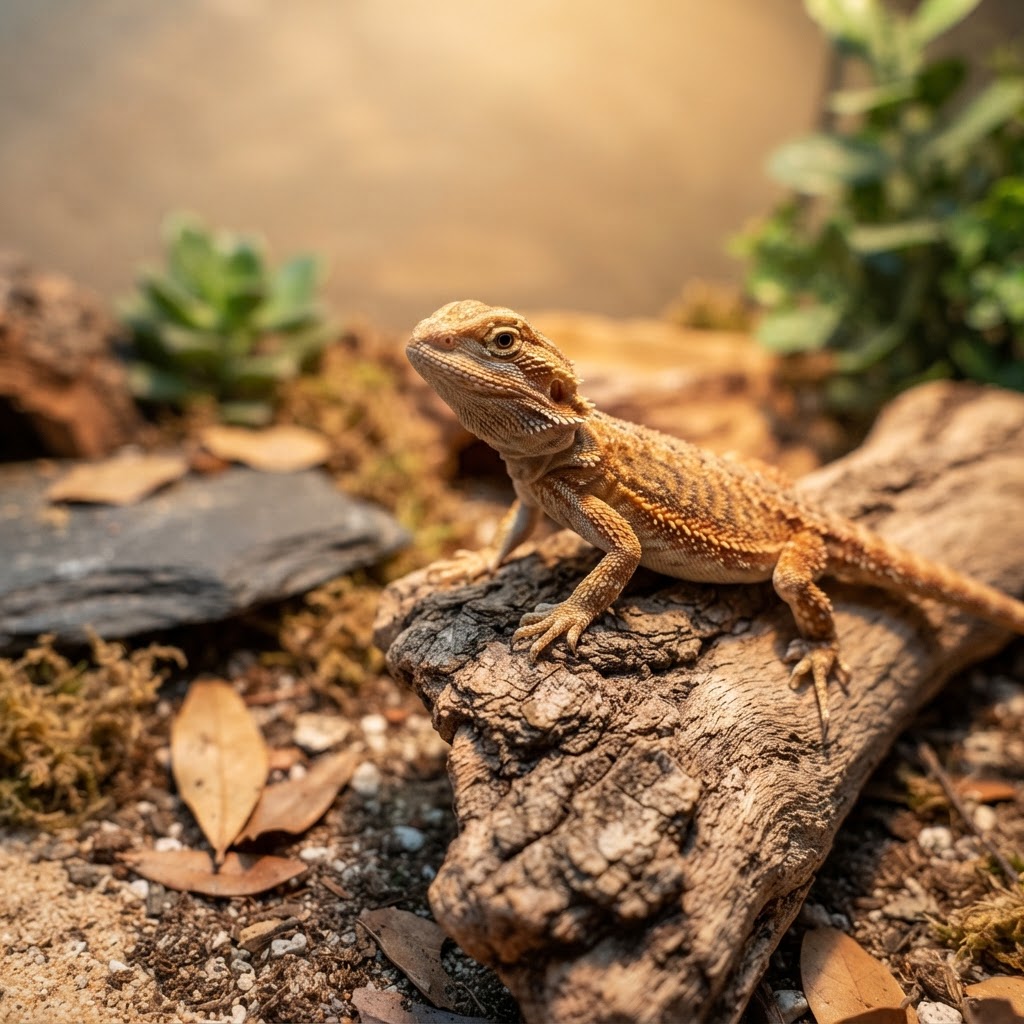
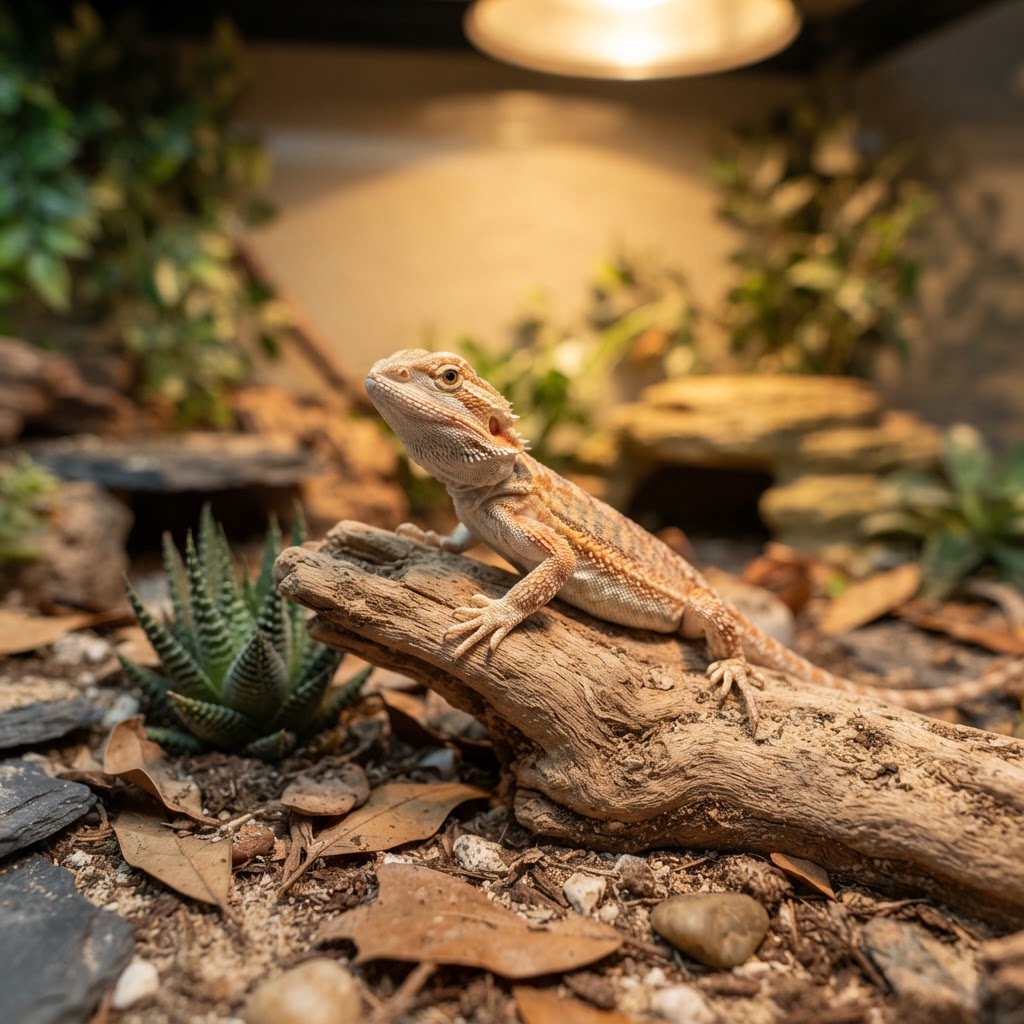
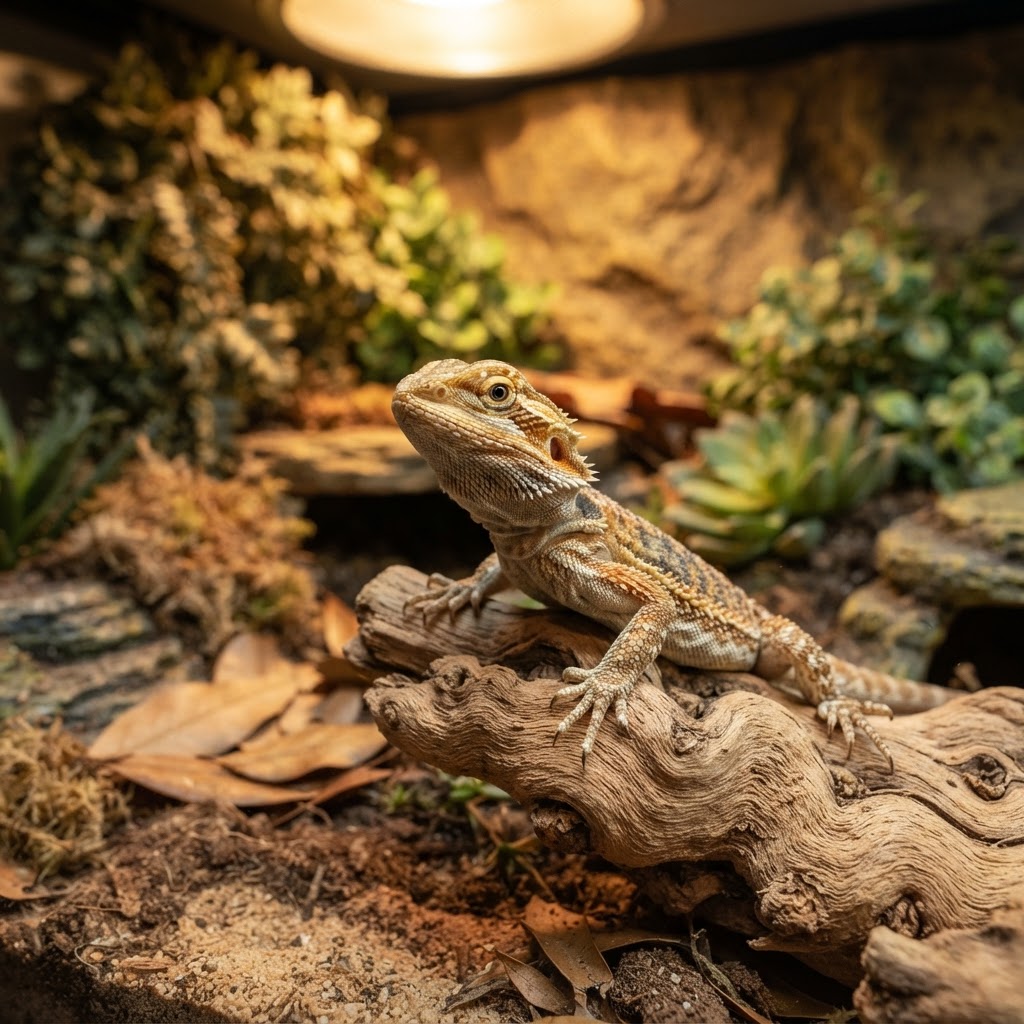
- Provide rough surfaces (rocks, branches) to help them rub shed off
Don't:
- Don't pull shed — you can tear sensitive new skin underneath
- Don't force handling during an active shed
- Don't panic if they skip meals — normal during shed
Stuck Shed (Retained Shed)
When shed skin doesn't come off completely, it's called retained shed or dysecdysis. Common problem areas:
- Toes — stuck shed constricts circulation and can cause toe loss
- Tail tip — same risk as toes
- Around eyes — can cause eye problems and vision issues
- Beard/face — usually less dangerous but uncomfortable
How to Remove Stuck Shed
- Soak in warm water for 20 minutes
- Gently work the skin off with a damp cotton swab or your fingers
- Never force or pull dry stuck shed
- For stuck toe/tail shed, daily soaks over several days usually work
- If it won't budge after a week, see a reptile vet
What Causes Retained Shed?
- Low humidity (most common cause)
- Poor nutrition (especially vitamin A deficiency)
- Inadequate rough surfaces to rub against
- Dehydration
- Underlying skin infection
Summary
Frequent shedding is a sign of healthy growth in baby beardies. Your job is to make the process easier with warm baths and rough surfaces, and to watch for stuck shed — especially on toes. When in doubt, warm water and patience solve most shed problems.