Introduction
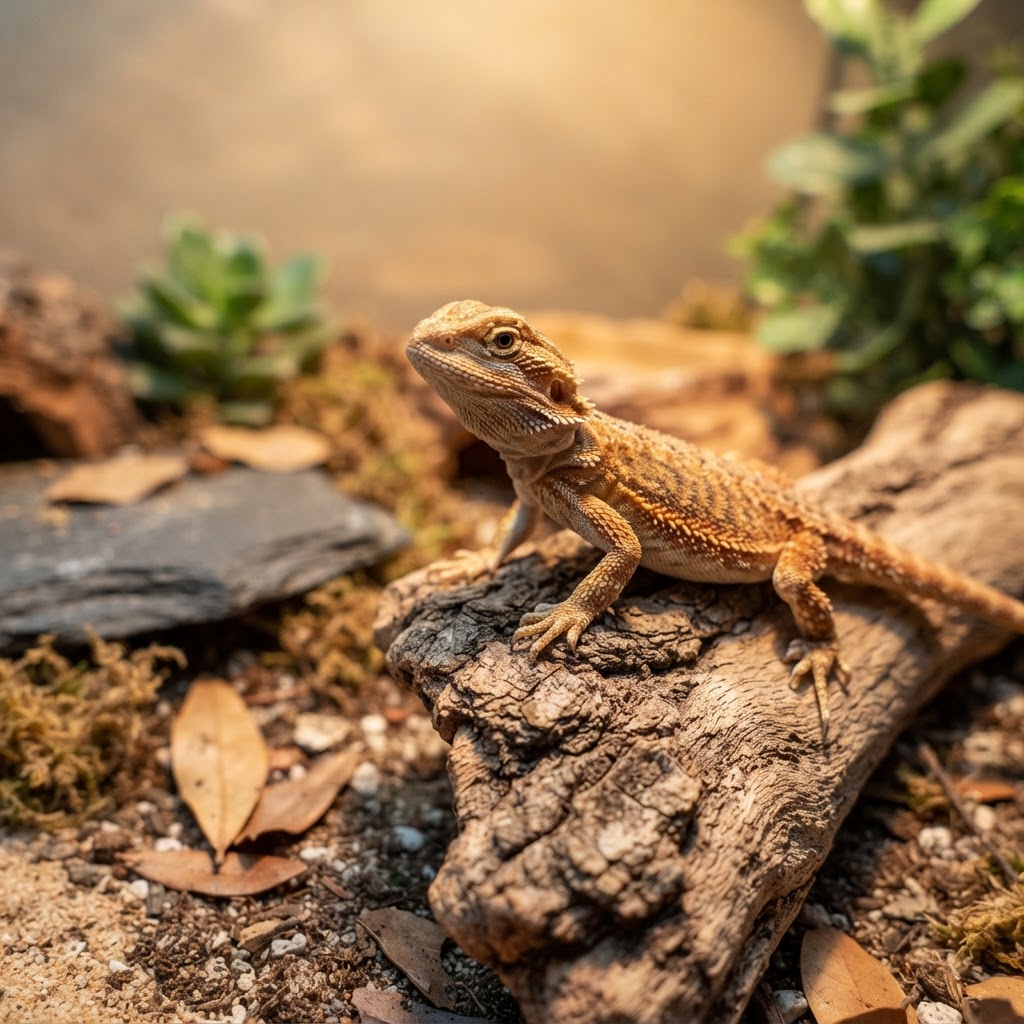
Baby bearded dragons are hardy little reptiles, but they can dry out faster than many new owners expect. Their bodies are small, their growth rate is high, and they depend on a carefully balanced setup to stay healthy. Knowing how to hydrate baby bearded dragons is one of the most important early care skills you can learn, especially during the first year of life.
Unlike dogs or cats, beardies do not always walk over to a water bowl and drink in a way that is easy to notice. Many babies get most of their moisture from food, occasional water droplets, and the right enclosure conditions. That can make hydration confusing for beginners. If you are wondering how to hydrate baby bearded dragons without overbathing, overmisting, or causing stress, the good news is that the safest methods are simple and easy to build into your daily routine.
This guide will walk you through the best hydration methods for baby bearded dragons from 0-12 months old, the warning signs of dehydration, common mistakes to avoid, and when it is time to call a reptile vet.
Why Hydration Matters for Baby Bearded Dragons
Hydration affects nearly every part of a baby beardie's health. Water helps with digestion, nutrient absorption, healthy bowel movements, normal energy levels, kidney function, and smoother shedding. Young dragons are also growing quickly, so even mild dehydration can affect appetite and overall development more than many owners realize.
Baby bearded dragons come from a species adapted to dry environments, but that does not mean they should be dry all the time. In captivity, they still need regular access to moisture through food, clean drinking water, and good husbandry. A baby that is too warm, too stressed, or eating a poor diet can become dehydrated surprisingly fast.
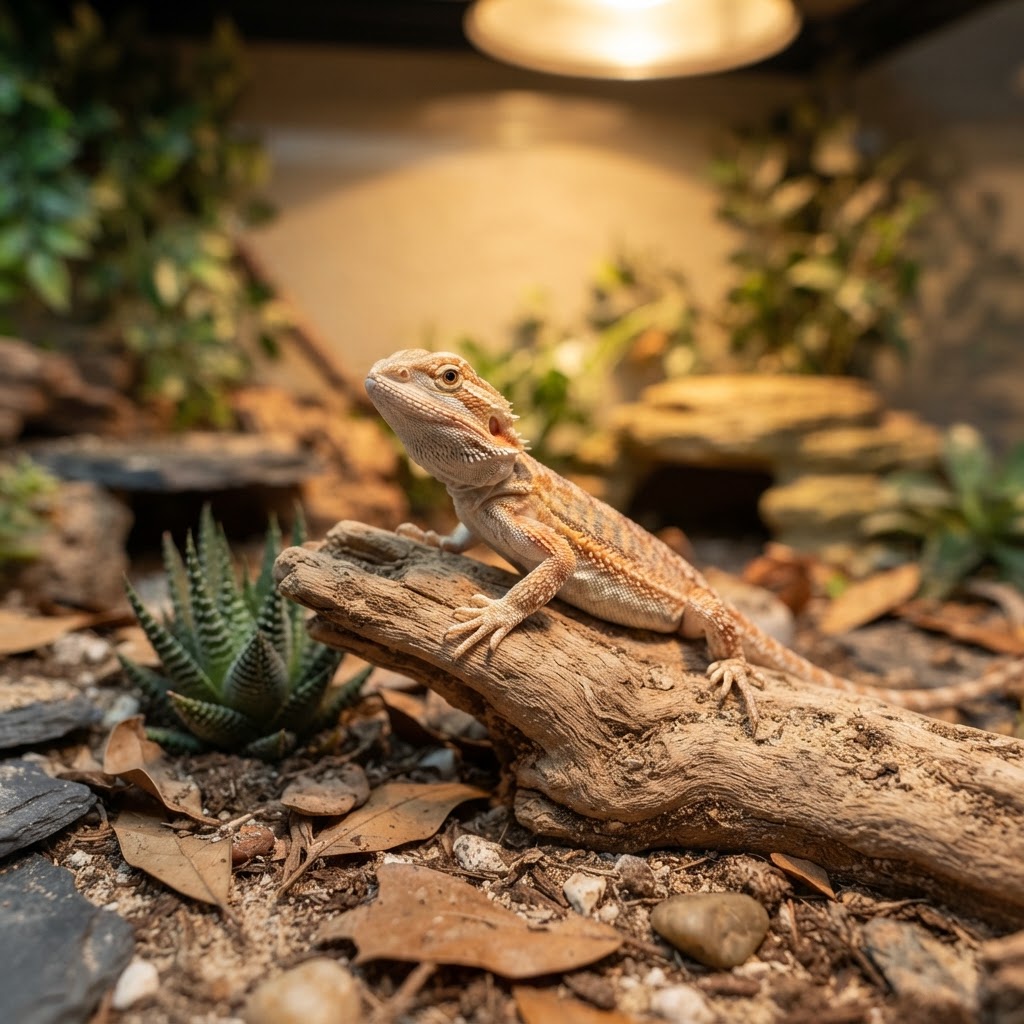
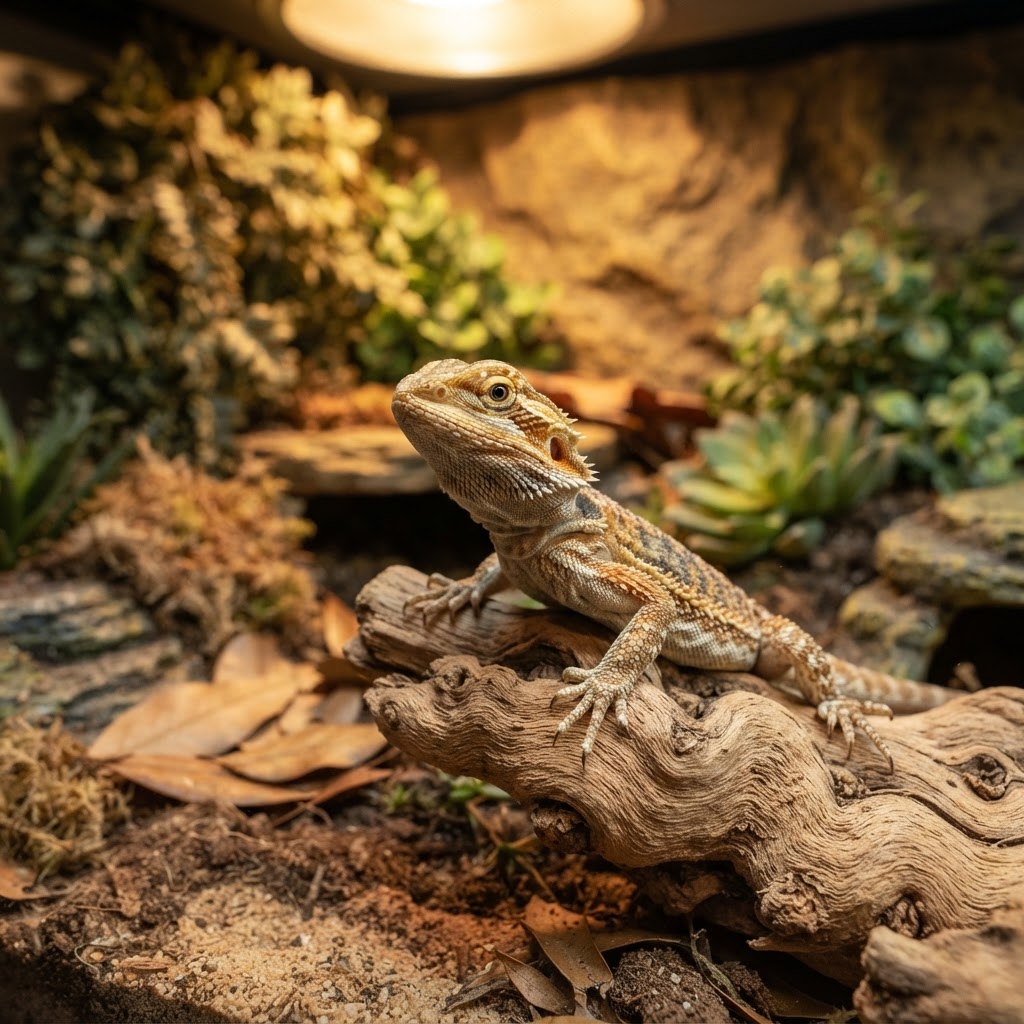
Hydration is closely tied to the basics of husbandry too. If your setup still needs fine-tuning, it helps to review proper baby bearded dragon lighting and UVB and best enclosure temperatures for baby bearded dragons, since both play a major role in digestion and fluid balance.
Signs Your Baby Beardie May Be Dehydrated
The earlier you spot dehydration, the easier it is to correct. Some signs are subtle, especially in very young dragons, so it helps to check daily habits rather than waiting for severe symptoms.
Common signs of dehydration in baby bearded dragons include:
- Wrinkled or loose-looking skin
- Sunken or less bright eyes
- Sticky saliva or a dry-looking mouth
- Thick, dry, or unusually hard stools
- Urates that are yellowish or orange instead of soft white
- Low energy or increased lethargy
- Reduced appetite
- Trouble shedding cleanly
Keep in mind that one symptom alone does not always confirm dehydration. For example, poor shedding can also be linked to growth, nutrition, or rough enclosure surfaces. But if you notice several of these signs together, it is time to increase hydration support and monitor closely.
A good next step is learning the full warning list in how to spot dehydration in baby bearded dragons, especially if your beardie is newly rehomed, shedding often, or not eating as well as usual.
Best Methods to Hydrate Baby Bearded Dragons
The safest answer to how to hydrate baby bearded dragons is to combine several gentle methods instead of relying on just one. Most babies do best when they get moisture from food, a water dish, occasional supervised soaks, and careful hand-offered droplets when needed.
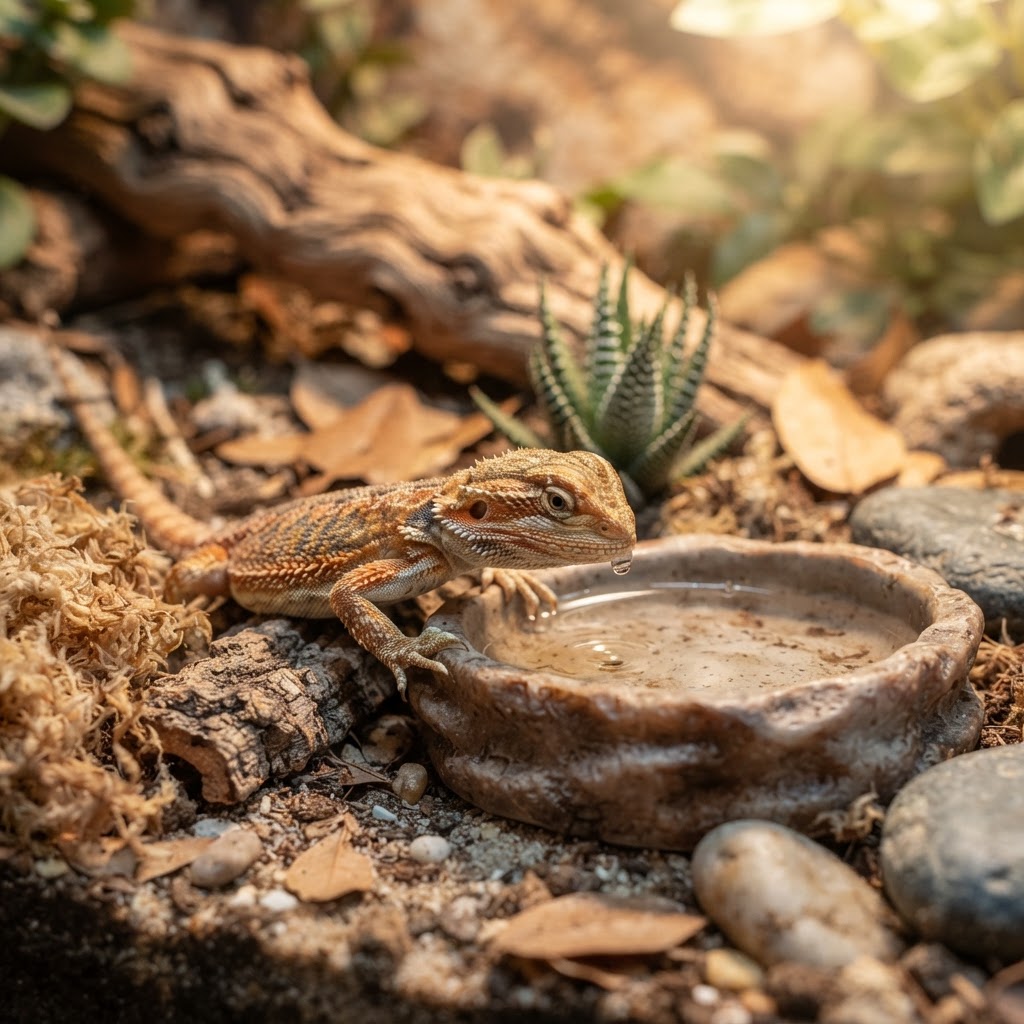
Offer a shallow dish of fresh water daily
Every baby bearded dragon should have access to a small, shallow water dish. Some babies will ignore it most of the time, while others will sip when you are not looking. Either way, it should be there.
Use a dish that is:
- Shallow enough to prevent slipping or panic
- Easy to clean
- Stable and hard to tip
- Large enough for drinking, but not so large that it spikes enclosure humidity
Replace the water every day, and clean the dish whenever it gets substrate, stool, or feeder insects in it. Place it on the cooler side of the enclosure so it evaporates more slowly.
Do not assume your dragon is fully hydrated just because a water bowl is available. Think of the bowl as one hydration option, not the only one.
Feed moisture-rich greens every day
One of the best long-term hydration habits is offering fresh greens daily. Baby bearded dragons eat more insects than adults, but they still benefit from a bowl of finely chopped plant matter every day. The moisture in greens supports hydration while also helping digestion and future diet habits.
Good choices include:
- Collard greens
- Mustard greens
- Dandelion greens
- Turnip greens
- Endive
- Squash, finely shredded
Wash greens well and serve them fresh. Remove wilted leftovers later in the day so they do not spoil. Avoid depending on iceberg lettuce because it has poor nutritional value, and go easy on watery foods like cucumber. Those can provide some moisture, but they should not replace more nutrient-dense vegetables.
If you want safe plant options, see this guide to healthy vegetables for baby bearded dragons.
Hydrate feeder insects before feeding
Baby dragons get a lot of moisture from insects, so the insects themselves matter. Feeders that are well cared for and gut-loaded with fresh vegetables provide more hydration than dried-out, poorly kept insects.
Before offering crickets or roaches:
- Give feeders fresh greens or vegetables 12-24 hours before use
- Keep insects in a clean container with food available
- Avoid offering weak, shriveled, or dying feeders
- Do not spray insects until they are dripping wet, which can create mess and stress
This method is especially useful for babies that rarely drink from a dish.
Use warm soaks occasionally, not constantly
A short lukewarm bath can help some baby beardies, especially during shedding, after a dry stool, or when mild dehydration is suspected. But baths should be used as a support tool, not a daily replacement for good husbandry.
For a safe soak:
- Use a small container or sink with a textured bottom for grip.
- Fill with lukewarm water only up to the shoulders or lower.
- Keep the soak short, usually 5-10 minutes.
- Supervise the entire time.
- Dry your beardie gently and return it to the warm side of the enclosure afterward.
Some babies will drink during a bath. Others will not. That is normal. Never splash water on the face or try to force the dragon to submerge. If bathing makes your baby panic, use other hydration methods instead.
Offer water droplets on the snout
This is one of the easiest direct hydration methods for babies. Use a clean dropper, syringe without a needle, or your fingertip to place a small droplet of water on the tip of the snout. Many baby beardies will lick the droplet off naturally.
A few tips make this safer:
- Only offer one small droplet at a time
- Let the dragon lick and swallow before offering more
- Stop if water runs into the nostrils
- Keep the session calm and brief
- Offer after the dragon has warmed up for the day
Never pry the mouth open or squirt water into the throat. Forced water can lead to aspiration, which is far more dangerous than mild dehydration.
Support hydration with the right enclosure conditions
Hydration problems are not always about water alone. If your baby's enclosure is too hot, too cold, or poorly lit, it may digest food poorly, eat less, and lose condition faster.
A proper setup helps your dragon use water effectively. Make sure you have:
- A correct basking temperature for digestion
- A cooler zone for self-regulation
- Quality UVB lighting
- Reasonable humidity, not excessive dampness
- Easy access to food and water
Many new keepers try to solve dehydration by spraying the whole tank repeatedly. That usually creates more problems than it solves. Bearded dragons need a dry environment overall, with hydration delivered in targeted, controlled ways.
A Practical Hydration Routine by Age
Baby and juvenile dragons do not all need the exact same approach. Their size, diet, and activity level change a lot during the first year.
0-3 months
Very young babies can dry out quickly. Offer fresh water daily, provide finely chopped greens every morning, and keep feeder insects well hydrated. If you never see your baby drink, you can offer snout droplets a few times per week after basking. Use baths sparingly, usually only when needed.
4-6 months
At this stage, many babies are still eating heavily and growing fast. Continue daily greens and a clean water dish. If stools are dry, shedding seems difficult, or appetite dips slightly, add occasional droplet sessions or a short supervised soak.
7-12 months
Older babies and juveniles are often better at self-regulating, but they still need consistent hydration support. Keep the same basics in place: daily fresh greens, fresh water, properly fed insects, and good lighting and heat. At this age, some dragons begin showing clearer drinking habits, while others still prefer moisture from food.
A Simple Daily Plan for New Owners
If you want a low-stress answer for how to hydrate baby bearded dragons, follow this simple routine:
Morning
- Turn lights on and let your baby warm up fully
- Replace water with fresh, clean water
- Offer a bowl of fresh chopped greens
- Check the enclosure temperature and general behavior
Midday
- Feed properly gut-loaded insects
- Watch for normal alertness, basking, and hunting behavior
- If your beardie seems dry or never drinks on its own, offer a few droplets on the snout
Evening
- Remove uneaten greens if wilted
- Look at stool and urate quality if your dragon went to the bathroom
- Make a note of any dry stool, orange urate, low appetite, or sluggish movement
Weekly
- Weigh your baby if possible to track trends
- Deep-clean the water dish and feeding area
- Offer a short soak if needed during a shed, after constipation, or after mild dehydration signs
This routine keeps hydration gentle, consistent, and easy to monitor.
Common Hydration Mistakes to Avoid
Even well-meaning owners can overcorrect. Here are the biggest mistakes to avoid:
Relying only on baths
Baths can help, but they should not be your only hydration method. Daily food moisture and proper husbandry matter more.
Keeping the enclosure too humid
Constant misting and wet surfaces can raise humidity too much and make the environment unhealthy. Beardies need dry air with targeted hydration support.
Forcing water into the mouth
This is risky and unnecessary in most cases. Gentle droplets on the snout are safer.
Using poor-quality greens
Iceberg lettuce and nutritionally weak foods may add some water, but they do not support strong growth the way dark leafy greens do.
Ignoring appetite and stool changes
Dehydration often shows up in poop quality, energy, or feeding behavior before it becomes severe. Daily observation matters.
Forgetting that stress affects hydration
A newly adopted baby may eat and drink less for several days. Too much handling, loud surroundings, or constant enclosure changes can make hydration harder.
When to Contact a Reptile Vet
Mild dehydration can often be corrected at home, but some situations need professional help quickly.
Call a reptile vet if your baby bearded dragon has:
- Severe lethargy or weakness
- Sunken eyes and obvious weight loss
- Repeated refusal to eat or drink
- Persistent orange urates
- Diarrhea along with dehydration signs
- Ongoing shedding trouble plus poor appetite
- Signs of illness such as black beard, tremors, or unusual swelling
In these cases, dehydration may be a symptom of a larger issue such as parasites, infection, poor lighting, metabolic stress, or impaction.
Key Takeaways
- Baby bearded dragons often get much of their moisture from food, not just a water bowl.
- Daily fresh greens, clean water, and hydrated feeder insects are the foundation of good hydration.
- Warm soaks can help sometimes, but they should be occasional and supervised.
- Offering small water droplets on the snout is a safe direct method for many babies.
- Dry stool, orange urates, low appetite, and sunken eyes can point to dehydration.
- Proper basking heat and UVB are essential because hydration and digestion work together.
- Never force water into your beardie's mouth.
Final Thoughts
In most homes, how to hydrate baby bearded dragons comes down to consistency rather than one magic trick. Fresh greens, a clean water dish, properly hydrated feeders, correct enclosure conditions, and occasional gentle support will keep most babies well hydrated and thriving.
Watch your dragon closely, make small adjustments when needed, and do not wait too long if dehydration signs continue. A calm routine and good observation go a long way during the first year.
Frequently Asked Questions
How often should I give a baby bearded dragon a bath for hydration?
Usually only as needed. A short lukewarm soak once or twice a week can be helpful for some babies, especially during shedding or after dry stools, but daily baths are rarely necessary. Overbathing can cause stress and should not replace good diet and enclosure care.
Why does my baby bearded dragon never drink from its water bowl?
That is common. Many babies prefer getting moisture from greens, insects, or droplets on the snout. Keep offering a clean shallow dish anyway, but do not panic if you never see active drinking as long as your dragon is eating, passing normal stools, and showing no dehydration signs.
Can I mist my baby bearded dragon to keep it hydrated?
Light, occasional misting on greens can help food stay fresh, but repeatedly misting the enclosure is not the best hydration strategy. Too much moisture can raise humidity beyond what is ideal for beardies. Direct hydration methods are usually safer and more effective.
What foods help hydrate baby bearded dragons the most?
Dark leafy greens are the best everyday option because they provide both moisture and nutrition. Collard greens, mustard greens, dandelion greens, and squash are all useful. Hydrated feeder insects also contribute meaningful moisture, especially for younger babies that eat lots of bugs.
Is orange urate always a sign of dehydration?
Not always, but it is a common clue. A one-time slightly tinted urate may happen if your dragon had a drier day. If urates are often yellow or orange, or if they come with hard stools, low appetite, or lethargy, dehydration becomes more likely.
Should I use a syringe to make my baby beardie drink water?
Only for placing tiny droplets on the snout, not for squirting water into the mouth. Forced water can enter the airway and cause aspiration. Let your dragon lick at its own pace, one small droplet at a time.
When is dehydration an emergency in a baby bearded dragon?
It becomes urgent when you see severe lethargy, sunken eyes, major appetite loss, weight loss, repeated orange urates, or other illness signs. Because babies are small and grow fast, they can decline quicker than adults. When in doubt, contact a qualified reptile vet promptly.