## Introduction

Bringing home a baby bearded dragon is exciting, but it can also feel a little overwhelming. These tiny lizards are active, curious, and fast-growing, which means their care needs are more demanding than many new owners expect. If you are searching for **how to care for baby bearded dragons**, the good news is that success comes down to a few essentials done consistently: proper heat, strong UVB, the right diet, a safe enclosure, and daily observation.

Baby bearded dragons, from hatchling age up to about 12 months, are not just smaller versions of adults. They eat more often, grow rapidly, shed frequently, and can decline quickly if husbandry is off. That sounds intimidating, but it should also reassure you: when the basics are correct, baby beardies are hardy, engaging pets that reward good care with bright eyes, strong appetite, and steady growth.

This complete guide walks you through the daily and weekly habits that matter most. Whether you are setting up your first enclosure or troubleshooting common beginner questions, you will learn exactly what your baby beardie needs to stay healthy from day one.

## Key Takeaways

- Baby bearded dragons need a **warm basking area, quality UVB, and a cool side** so they can regulate their body temperature.
- A **40-gallon breeder or larger** is a practical minimum for a baby, with plans to upgrade to an adult-sized enclosure later.
- Feed **small live insects 2-3 times per day** plus a fresh salad daily, with calcium and vitamin supplements on a schedule.
- Use **solid, easy-to-clean substrate** such as paper towels, tile, or non-adhesive shelf liner for young dragons.
- Watch for early warning signs like **lethargy, weak appetite, sunken eyes, soft jaw, or runny stool**.
- Gentle handling, routine cleaning, and regular weight checks help your baby beardie grow into a healthy adult.

## Build the Right Habitat First

If you are learning **how to care for baby bearded dragons**, start with the enclosure. Most problems beginners face trace back to setup issues rather than the dragon itself.

### Tank size and enclosure layout

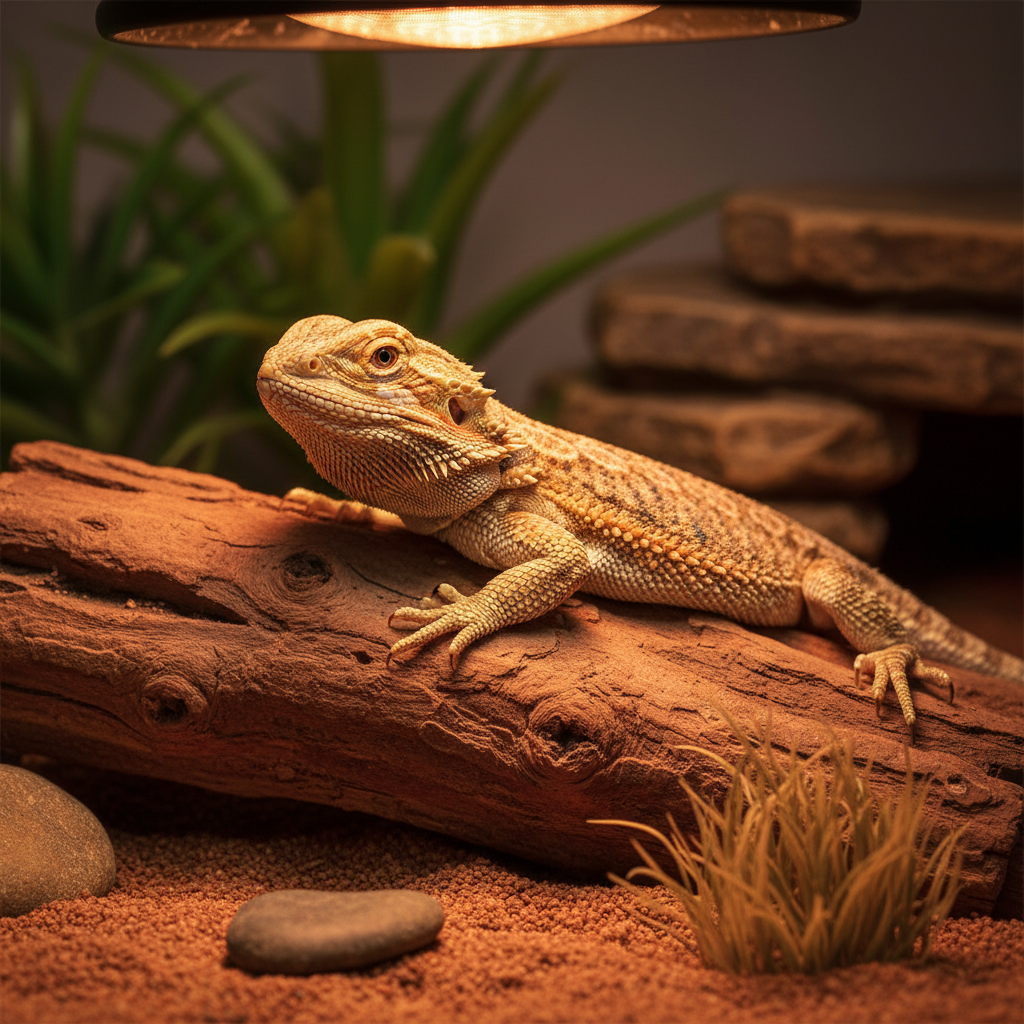
A baby can survive in a smaller enclosure short term, but a **40-gallon breeder or larger** is the best beginner-friendly starting point. It gives you room to create a proper heat gradient, which is harder to achieve in tiny tanks. Many keepers move to a 4x2x2-foot enclosure as the dragon approaches adulthood.

Set up the habitat with these basics:

- A basking platform such as a rock, sturdy branch, or basking ledge
- At least one hide on the cool side
- A shallow food dish for greens
- Climbing enrichment for exercise
- Open floor space so your baby can chase insects and move easily

Try to avoid overcrowding the tank with decorations. Babies benefit from security, but they also need easy access to heat, food, and UVB.

For a deeper walkthrough, see our full [baby bearded dragon tank setup](/blog/how-to-set-up-a-bearded-dragon-tank) guide.

### Safe substrate for babies

For young dragons, simple and sanitary is best. Good options include:

- Paper towels
- Butcher paper
- Reptile-safe tile
- Non-adhesive shelf liner

These surfaces are easy to clean, help you monitor droppings, and reduce the risk of accidental ingestion during feeding. Loose substrates like sand, crushed walnut, and wood chips are usually not the best choice for babies because they can raise the risk of impaction and make hygiene harder.

### Essential tools that make care easier

A few basic tools will improve care immediately:

- Digital probe thermometers for both warm and cool sides
- An infrared temperature gun for checking basking surface temps
- A timer for lights
- Feeding tongs or a feeder bin if needed
- A small gram scale for monitoring growth

> BabyBeardedDragon.net is a participant in affiliate programs including Amazon Associates. We may earn a commission on qualifying purchases at no extra cost to you.

## Get Heat and UVB Right

Heat and lighting are the foundation of healthy digestion, bone growth, appetite, and activity. Without them, even a perfect diet will not be used properly by your dragon's body.

### Temperature targets for babies

Baby bearded dragons need a clear temperature gradient:

- **Basking surface:** about **105-110°F**
- **Warm side ambient:** about **88-95°F**
- **Cool side ambient:** about **75-85°F**
- **Nighttime:** usually **65-75°F** is fine

Use a bright white basking bulb during the day, not a colored red or blue bulb. Babies are visual hunters, and bright light encourages normal activity and feeding.

The basking spot matters most. Measure the **surface temperature** where your beardie actually sits, not just the air near the bulb. Too cool, and your dragon may stop eating well. Too hot, and it may gape constantly, avoid the basking zone, or seem stressed.

### UVB is non-negotiable

A strong UVB tube light is one of the most important pieces of equipment you will buy. Baby beardies need UVB to produce vitamin D3 and use calcium correctly. Weak or missing UVB can lead to poor growth and metabolic bone disease.

For most setups, a **T5 HO linear UVB tube** is the preferred choice. Position it so your dragon can bask within the manufacturer's recommended distance, usually around 10-14 inches depending on the bulb strength and whether there is a mesh top. Avoid compact coil UVB bulbs as the sole source when possible, especially for a primary daytime setup.

A simple lighting schedule is:

- **12-14 hours on** during the day
- **10-12 hours off** at night

Pairing the basking area with the UVB zone is ideal. Your baby should be able to get heat and UVB at the same time while basking.

If you want more help, read our guide to [baby bearded dragon lighting and UVB](/blog/baby-bearded-dragon-lighting-uvb).

## Feed for Fast, Healthy Growth

A big part of **how to care for baby bearded dragons** is feeding for rapid but steady growth. Babies need more protein than adults, but they still benefit from daily exposure to greens.

### What baby bearded dragons should eat

Healthy staple insects for babies include:

- Small dubia roaches
- Small crickets
- Black soldier fly larvae
- Silkworms, when available

Each feeder should be **smaller than the space between your dragon's eyes**. That rule helps reduce choking and digestive issues.

Offer a fresh salad every day, even if your baby mostly ignores it at first. Good staple greens include:

- Collard greens
- Mustard greens
- Turnip greens
- Dandelion greens
- Escarole or endive

Vegetables like squash can be added in small amounts. Avoid iceberg lettuce because it offers very little nutrition.

Do not feed:

- Wild-caught insects
- Fireflies or other glowing bugs
- Large mealworms for tiny babies
- Avocado, onion, or rhubarb

For a full food list, visit [what baby bearded dragons eat](/blog/what-do-baby-bearded-dragons-eat).

### Feeding schedule by age

Most babies do well with **2-3 insect meals per day** plus access to greens. A simple pattern looks like this:

- **0-3 months:** 3 small insect meals daily
- **3-6 months:** 2-3 insect meals daily
- **6-12 months:** 2 insect meals daily, with more focus on greens over time

Let your dragon eat as much as is reasonable in a short feeding window, usually around 5-10 minutes, while keeping portions appropriate. Some babies are ravenous; others are more moderate eaters. Appetite can vary with temperature, shedding, stress, and individual growth rate.

A more detailed routine is available in our [baby bearded dragon feeding schedule](/blog/baby-bearded-dragon-feeding-schedule) article.

### Calcium and vitamin supplements

Supplements matter because rapid growth puts heavy demands on the body.

A beginner-friendly schedule is:

- **Calcium powder:** lightly dust feeders **5 times per week**
- **Multivitamin:** dust feeders **2 times per week**

If your UVB setup is strong and correct, many keepers use calcium without D3 for most feedings and a multivitamin as directed. If you are unsure, ask an experienced reptile vet to help you fine-tune your schedule.

Do not overdo powder. Feeders should look lightly coated, not caked white.

## Hydration, Shedding, and Handling

### Hydration for babies

Baby beardies get much of their hydration from food, especially greens and live insects. You can support hydration by:

- Offering fresh greens daily
- Keeping the enclosure temperatures correct
- Providing occasional drops of water on the snout if your dragon readily drinks
- Using shallow baths only when truly needed, not as a daily requirement

A water bowl can be offered if it does not raise humidity too much, but many babies ignore standing water. The goal is steady hydration, not constant soaking.

Signs of possible dehydration include wrinkled skin, sunken eyes, sticky saliva, and poor energy. If your baby seems weak or dehydrated, review husbandry and contact a reptile vet.

### Shedding is normal and frequent

Babies shed much more often than adults because they grow quickly. It is normal for the skin to turn dull or pale before a shed. Do not peel skin off by hand.

To support a healthy shed:

- Keep hydration and diet on track
- Provide rough surfaces like branches or slate for rubbing
- Avoid excessive bathing unless your vet recommends it

Small retained pieces around toes or the tail tip should be watched closely. If they do not release, or if the area looks swollen or dark, get advice promptly.

### Gentle handling builds trust

Young dragons can be skittish, especially during the first week home. Give your new pet time to settle before handling too much. Start with short, calm sessions of **5-10 minutes** once or twice a day.

Good handling habits include:

- Approach from the side, not from above like a predator
- Support the whole body, including the tail base
- Handle close to the floor or over a bed at first
- End the session before your dragon becomes frantic

A relaxed baby may sit calmly, explore your hands, or pancake slightly under warmth. A stressed baby may darken, flatten, sprint, or gape. Respect those signals and go slow.

## Daily, Weekly, and Monthly Care Tasks

A simple routine makes bearded dragon care much easier.

### Daily care checklist

- Turn lights on and confirm the basking area is heating properly
- Offer fresh greens in the morning
- Feed live insects 2-3 times depending on age
- Remove uneaten insects after feeding
- Spot-clean waste promptly
- Check behavior, posture, appetite, and droppings
- Turn lights off at night on schedule

### Weekly and monthly tasks

- Wipe down surfaces and food dishes thoroughly
- Wash hides and decor as needed
- Check bulb function and fixture safety
- Weigh your dragon and track growth in a notebook
- Review whether your dragon still fits the feeder size rule

Routine observation often catches problems before they become emergencies.

## Health Signs Every Owner Should Watch

An important part of **how to care for baby bearded dragons** is knowing when something is not right. Babies can deteriorate faster than adults, so early action matters.

### Signs of a healthy baby beardie

- Bright, alert eyes
- Strong feeding response
- Regular basking and active movement
- Straight limbs and strong grip
- Consistent growth and routine shedding
- Well-formed stool with a white urate portion

### Warning signs that need attention

Call a qualified reptile vet if you notice:

- Refusing food for several days, especially with lethargy
- Persistent diarrhea or very foul stool
- Sunken eyes or obvious dehydration
- Weak legs, twitching, or a soft jaw
- Swelling, injuries, or retained shed cutting off circulation
- Wheezing, bubbles from the nose, or open-mouth breathing off the basking spot
- Rapid weight loss

Stress can also suppress appetite in the first week home. Common causes include relocation, low temperatures, weak UVB, too much handling, and feeders that are too large. When a baby stops eating, husbandry should be the first thing you review.

It is also smart to schedule a wellness exam with a reptile vet soon after bringing your dragon home. A fecal exam can check for parasites, and an experienced vet can confirm your setup is on the right track.

## Frequently Asked Questions

### How often should I feed a baby bearded dragon?

Most babies need live insects **2-3 times per day**, plus a fresh salad offered daily. Very young hatchlings usually eat more often than older juveniles. Keep feeders appropriately sized and watch your dragon's body condition and growth.

### What is the best tank size for a baby bearded dragon?

A **40-gallon breeder or larger** is a practical minimum for most babies because it allows a proper heat gradient and room to move. Many owners upgrade to a 4x2x2-foot enclosure as the dragon matures.

### Do baby bearded dragons need UVB every day?

Yes. Baby bearded dragons need **daily UVB exposure** along with heat and bright daytime light. UVB supports calcium use, bone development, appetite, and normal growth. A linear T5 HO UVB tube is usually the best option.

### Can I use sand for a baby bearded dragon?

It is generally safer to use **solid substrate** for babies, such as paper towels, tile, or non-adhesive shelf liner. Loose substrate can make cleanup harder and may increase risk during feeding, especially for inexperienced keepers.

### Why is my baby bearded dragon not eating?

The most common reasons are relocation stress, temperatures that are too low, poor UVB, shedding, dehydration, illness, or feeders that are too large. Check husbandry first, then contact a reptile vet if the appetite loss continues or your dragon seems weak.

### How much handling is okay for a baby beardie?

Start with short sessions of **5-10 minutes** once or twice daily after your baby has settled in. Keep handling calm and supportive. If your dragon darkens, runs, gapes, or stays very tense, shorten the session and try again later.

### How do I know if my baby bearded dragon is growing normally?

Healthy babies usually show a good appetite, regular sheds, increasing body length, and steady weight gain. Weigh your dragon weekly with a gram scale and compare changes over time rather than focusing on one number alone.
⭐
🏥 Medical Disclaimer: This article is for educational purposes only and is not a substitute for professional veterinary advice. Always consult a qualified reptile veterinarian for health concerns about your bearded dragon.
Related Articles
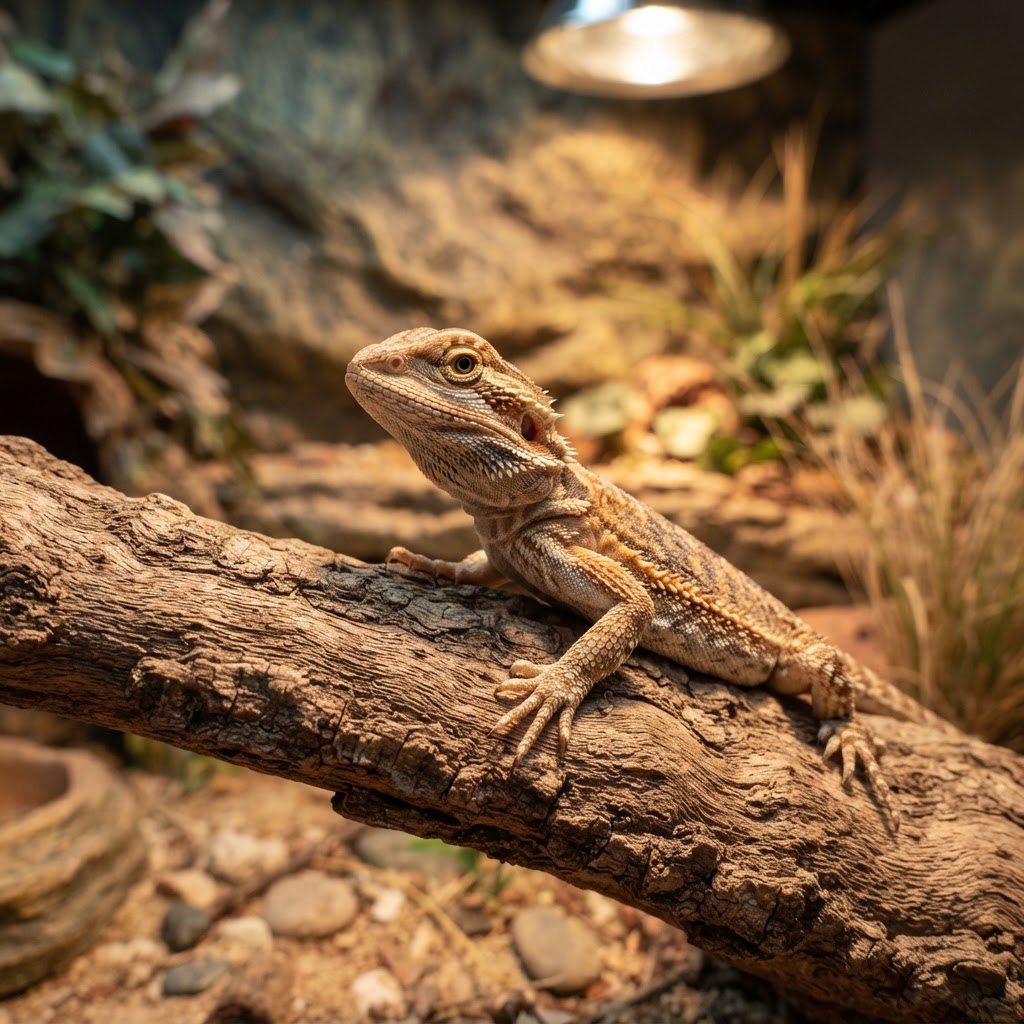
Care11 min read
What To Know About Baby Bearded Dragon Habits Today
Learn the normal daily habits of baby bearded dragons, from basking and eating to hiding, shedding, and sleeping. This beginner-friendly guide explains what is healthy, what is not, and how to build a better routine.
Read Guide
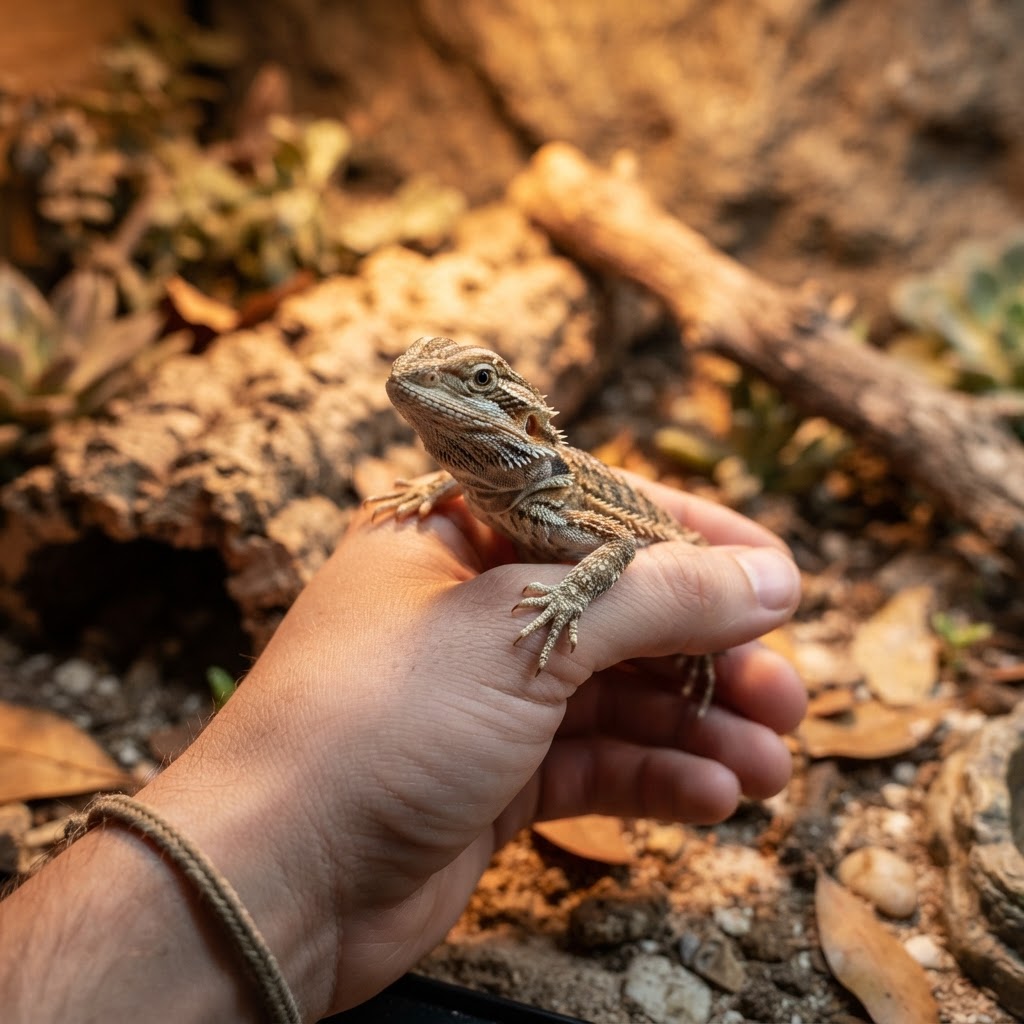
Care12 min read
Baby Bearded Dragon Handling Tips: Gentle Methods
Learn how to handle a baby bearded dragon safely, calmly, and with confidence. This beginner-friendly guide explains trust-building, body language, timing, and common mistakes to avoid.
Read Guide
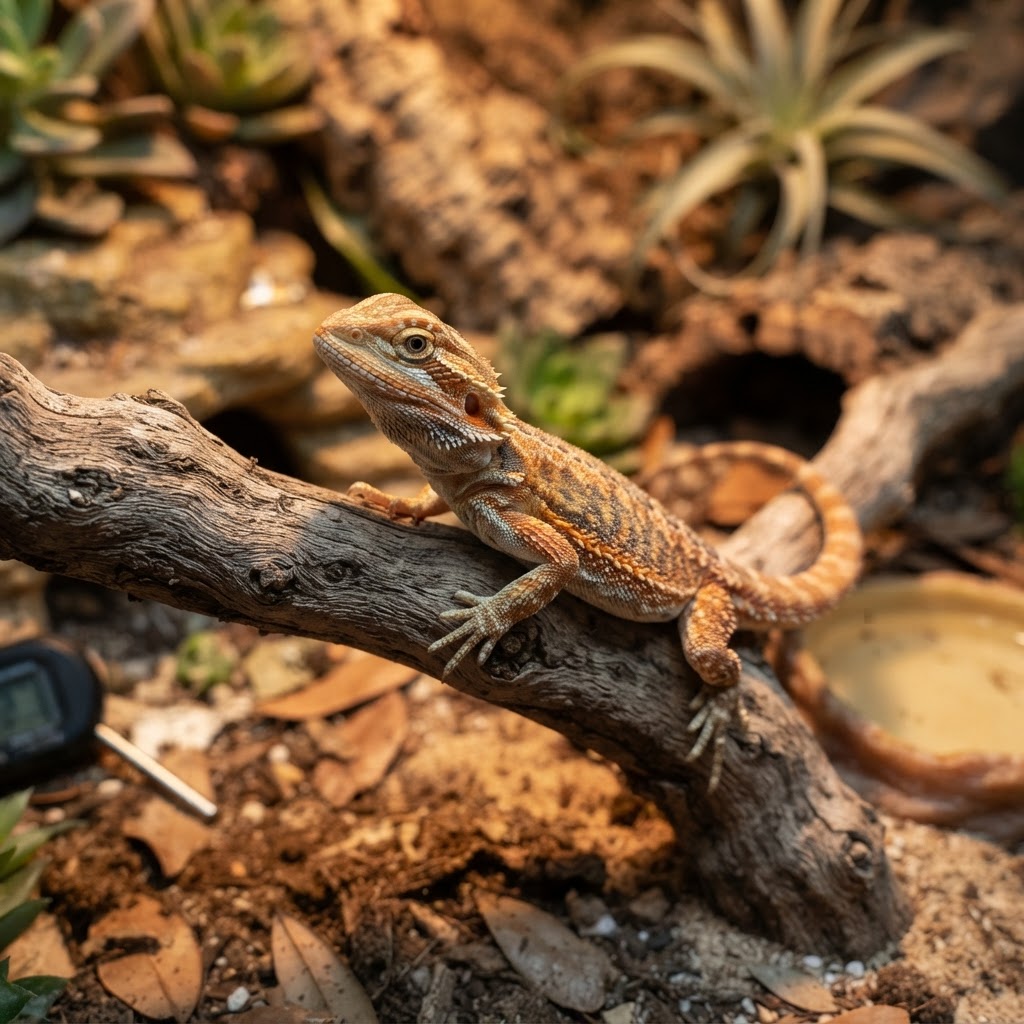
Care12 min read
Best Baby Bearded Dragon Care Products: Our Top Picks
Shopping for a baby beardie can feel overwhelming. This beginner-friendly guide covers the most useful products for heating, lighting, feeding, and daily care.
Read Guide