Introduction
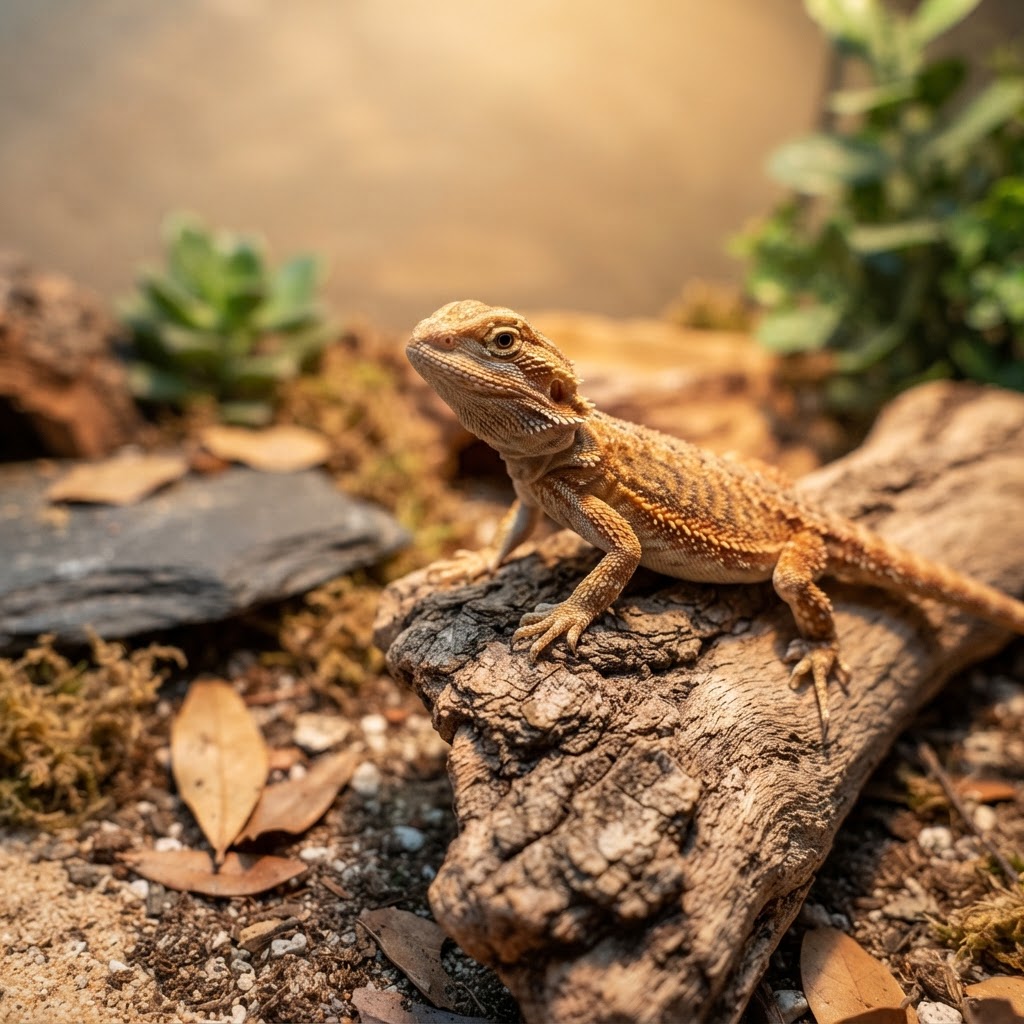
Bringing home a baby bearded dragon is exciting, but it also comes with a big responsibility. These tiny reptiles look hardy, yet their first year is the most delicate stage of life. New owners often ask what is the lifespan of baby bearded dragons, and the answer is a little more nuanced than a single number.
A baby bearded dragon is only in the baby stage for about 0 to 12 months, but the care it receives during that time has a huge impact on its long-term health. With proper husbandry, nutrition, and early veterinary attention when needed, most bearded dragons can live 8 to 12 years, and some reach 13 to 15 years. On the other hand, mistakes with heat, UVB, hydration, or diet can shorten a baby dragon's life dramatically.
In this guide, you'll learn what lifespan is realistic for baby bearded dragons, why the first year matters so much, and what you can do each day to help your baby grow into a strong, healthy adult. If you're a first-time owner, don't worry—this article will walk you through the essentials in a clear, beginner-friendly way.
Key Takeaways
- Baby bearded dragons are in the baby stage for roughly their first 12 months.
- A healthy bearded dragon often lives 8 to 12 years, with some living even longer.
- The first year is the highest-risk period because babies grow quickly and are sensitive to care mistakes.
- Proper UVB lighting, basking heat, diet, hydration, and cleanliness are the biggest factors affecting lifespan.
- Weak appetite, lethargy, soft jaws, sunken eyes, and abnormal stools should never be ignored in a baby.
- Early action and a reptile vet visit can prevent small issues from becoming life-threatening.
So, What Is the Lifespan of Baby Bearded Dragons?
The simplest answer is this: baby bearded dragons are babies for about 0 to 12 months, but their overall life expectancy is usually 8 to 12 years when they are cared for correctly. Some exceptionally well-kept dragons live beyond that.
The reason this question can be confusing is that people often mean two different things:
- How long are they considered babies? Usually up to around 12 months.
- How long do they live overall? Commonly 8 to 12 years in captivity.
So when people ask what is the lifespan of baby bearded dragons, they are usually really asking whether a baby dragon can grow into a long-lived adult. The answer is yes—but only if the early months are handled well.
Captive lifespan is usually longer than survival in the wild because pets are protected from predators, harsh weather, and food shortages. Still, captive babies depend completely on their owner to provide the right environment. A dragon cannot make up for poor UVB, low basking temperatures, or a diet that lacks calcium.
That is why the first year should be treated as a foundation period. Good husbandry now supports bone strength, organ health, growth, and immune function for years to come.
Why the First Year Matters So Much
Baby bearded dragons grow fast. In a matter of months, they go from tiny hatchlings to sturdy juveniles with very different nutritional and environmental needs. Rapid growth means their bodies need a constant supply of heat, UVB exposure, protein, calcium, and hydration.
When any of those pieces are missing, babies decline faster than adults. An adult might tolerate a minor husbandry issue for a while; a baby often cannot. For example, weak UVB or inconsistent calcium can contribute to metabolic bone disease, and temperatures that are too cool can reduce appetite and digestion almost immediately.
The first year is also the stage when owners are most likely to make beginner mistakes. Many new keepers accidentally use weak bulbs, feed insects that are too large, or assume a baby that is sleeping more is simply calm rather than stressed or unwell. Learning the basics early makes a real difference.
If you're still building your routine, start with a solid baby bearded dragon care guide. A baby dragon that eats well, basks properly, sheds normally, and stays alert has an excellent chance of becoming a long-lived adult.
The Biggest Factors That Affect Lifespan
UVB Lighting and Heat
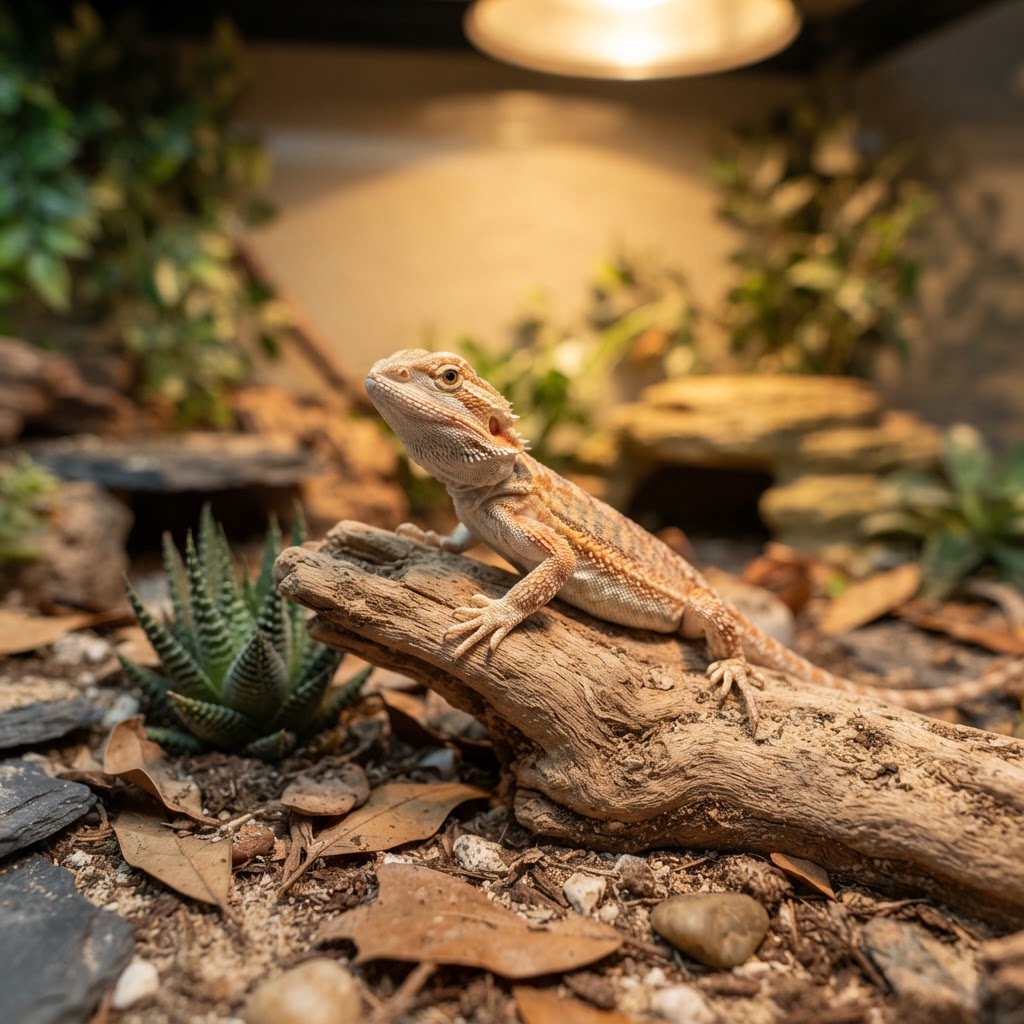
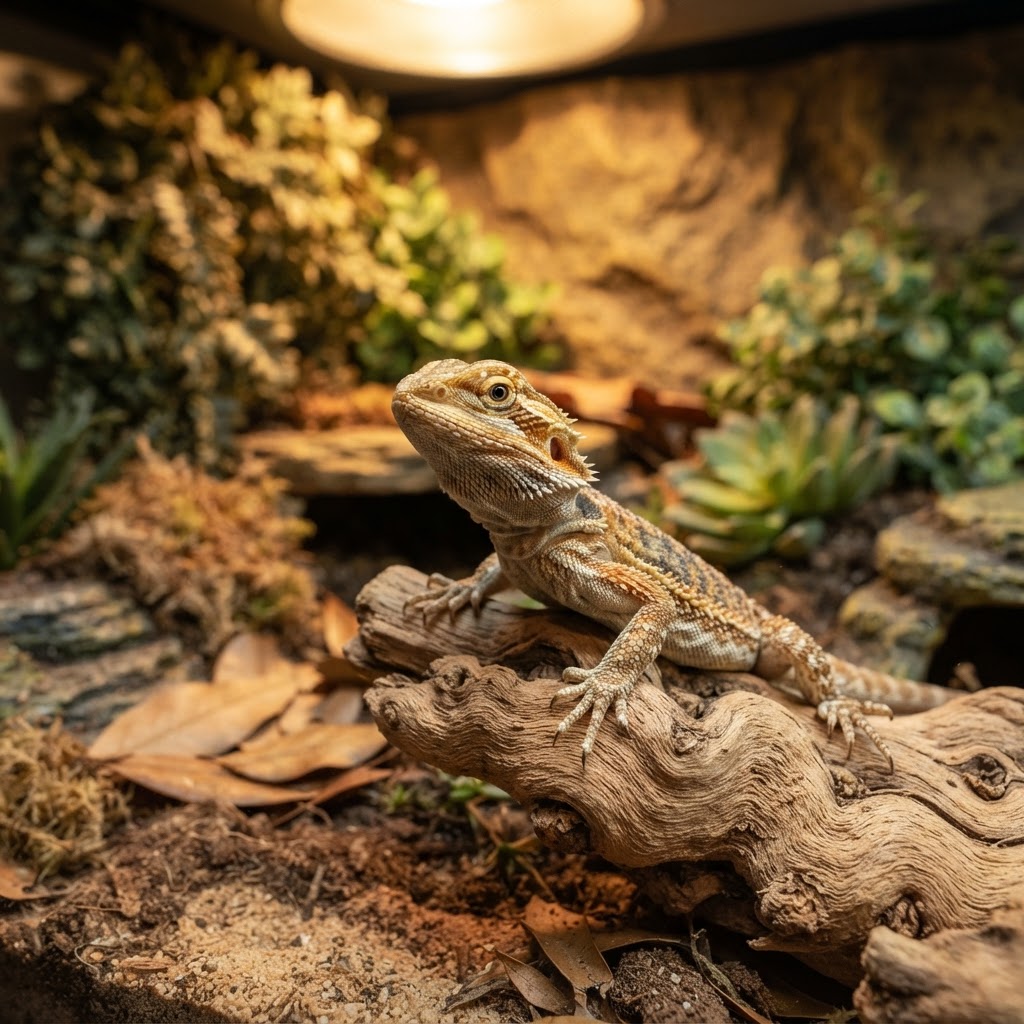
Proper lighting is one of the most important pieces of bearded dragon care. Babies need strong, reliable UVB to synthesize vitamin D3 and use calcium properly. Without it, they can develop weak bones, tremors, poor growth, and deformities.
They also need a correct temperature gradient:
- Basking surface: about 105-110°F for many babies
- Warm side air temperature: around 88-95°F
- Cool side: around 75-85°F
- Nighttime: typically 65-75°F is acceptable
If the enclosure is too cool, a baby may stop eating, become sluggish, and digest poorly. If it is too hot everywhere, the dragon may become dehydrated and stressed. Use reliable digital thermometers and a temperature gun rather than guessing.
For a deeper setup guide, see baby bearded dragon lighting and UVB and baby bearded dragon tank setup.
Diet and Calcium Intake
Food quality directly affects lifespan. Babies need frequent feedings and a diet built around appropriately sized live insects, plus daily access to safe greens. Most babies eat far more insects than adults because they are growing so quickly.
A few practical rules matter a lot:
- Feed insects that are no larger than the space between the dragon's eyes.
- Offer fresh greens daily, even if your baby only nibbles at first.
- Dust feeders with calcium on a regular schedule.
- Use a reptile multivitamin as recommended by your vet or care plan.
- Remove uneaten insects so they do not stress or bite your dragon.
A poor diet can lead to stunting, obesity later in life, vitamin imbalances, or bone disease. If you're unsure what to offer, read what baby bearded dragons eat.
Hydration
Baby bearded dragons can dry out faster than many beginners realize. Mild dehydration can reduce appetite and energy, while severe dehydration becomes dangerous quickly.
Watch for signs such as:
- Wrinkled skin
- Sunken eyes
- Thick saliva
- Low energy
- Hard, dry stools
Hydration support can include fresh water in a shallow dish, water droplets on the snout, moisture from greens, and proper enclosure temperatures so the dragon is not overheating. Avoid forcing large amounts of water into the mouth.
Cleanliness and Enclosure Safety
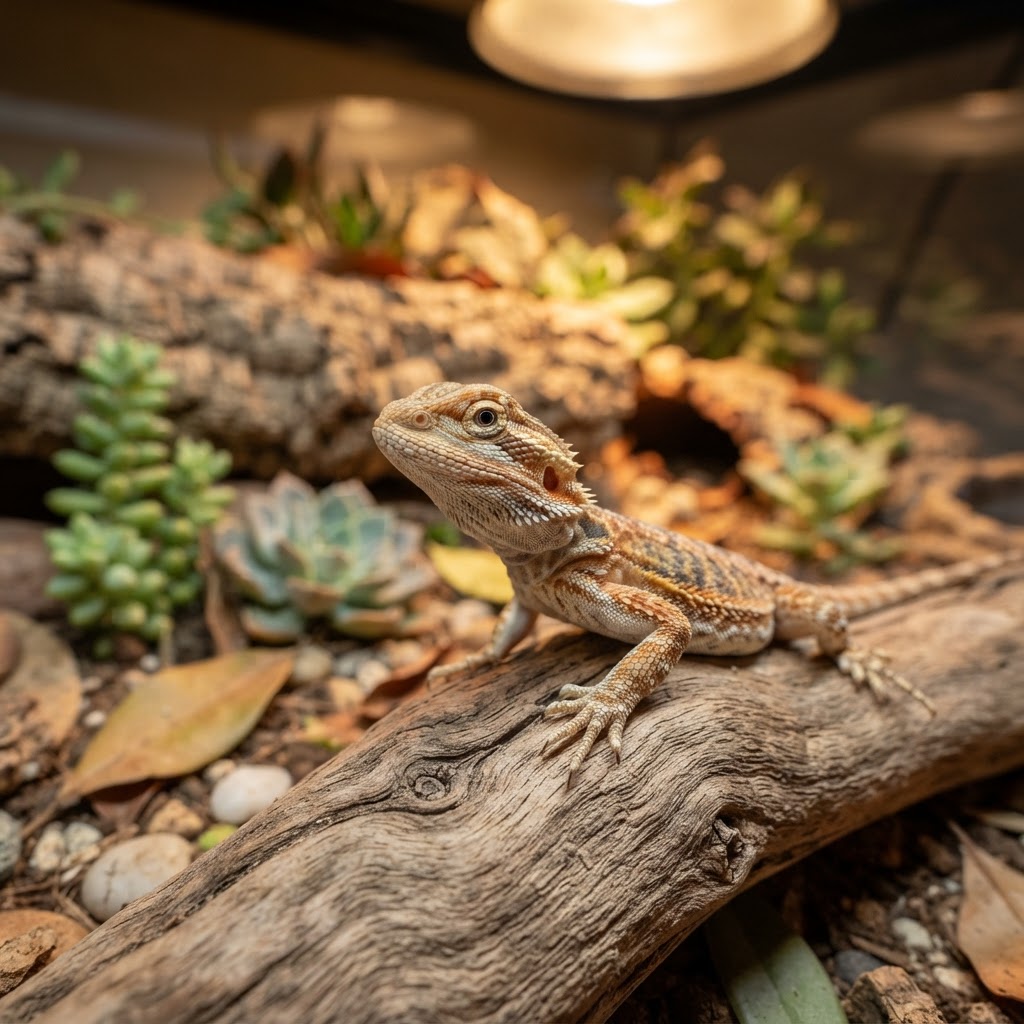
A dirty or poorly designed habitat raises stress and illness risk. Babies do best in clean, simple setups that make it easy to monitor appetite, stool quality, and activity. Many keepers prefer solid substrates such as reptile carpet alternatives, paper towels, or non-adhesive shelf liner for very young dragons because it is easier to keep sanitary and safer for observation.
Also check that your setup includes:
- A secure basking area
- Places to climb safely
- A cooler retreat area
- No loose decor that can fall
- No food dishes or hides that trap humidity excessively
Daily spot cleaning and regular deep cleaning help reduce bacterial buildup and parasite spread.
Stress Levels
Stress does not just affect behavior—it can affect health, appetite, and growth. Babies are especially sensitive to frequent handling, loud environments, enclosure tapping, poor temperatures, and cohabitation.
Try to keep the enclosure in a calm location and handle your baby gently for short sessions. A stressed baby may darken in color, glass surf, hide excessively, or refuse food.
Genetics and Early Start Before You Bought Them
Some lifespan factors begin before the dragon ever reaches your home. Poor breeding, overcrowded housing, heavy parasite loads, or malnutrition at the breeder or pet store can make babies more fragile.
That does not mean a baby with a rough start cannot thrive, but it does mean you should watch closely during the first few weeks. Weigh your dragon weekly, track food intake, and schedule a reptile vet exam if anything seems off.
Baby Bearded Dragon Milestones in the First Year
0 to 3 Months
This is the smallest and most fragile period. Babies need frequent meals, strong UVB, excellent heat, and close observation. Appetite should usually be enthusiastic. Fast weight loss, closed eyes, or persistent lethargy are urgent warning signs.
4 to 6 Months
Growth is still rapid, but many babies become more settled and confident. You may notice more regular basking patterns, stronger feeding responses, and longer wakeful periods. This is a good time to refine handling, monitor shedding, and confirm the enclosure still fits the dragon's size.
7 to 12 Months
By this point, your dragon is moving from baby to juvenile. Insect intake may begin to balance out gradually with more interest in greens. Healthy dragons should look fuller in body, stronger in limbs, and more coordinated in movement.
Throughout all stages, compare growth trends rather than judging by one single day. A baby that skips one salad is not automatically in trouble. A baby that shows dropping appetite, slowing growth, weak limbs, and poor basking behavior over time needs attention.
Practical Ways to Help Your Baby Live Longer
If your goal is a long, healthy life, focus on consistency. These habits make the biggest difference:
- Set up the enclosure correctly from day one. Dial in temperatures, UVB placement, and climbing spots before the dragon arrives.
- Feed for growth, not convenience. Babies need frequent, nutritious meals and correctly sized insects.
- Use a supplement routine. Calcium and vitamins matter, especially during heavy growth.
- Track weight and appetite weekly. Small changes are easier to catch early than major declines.
- Observe daily behavior. A healthy baby should be alert, bask regularly, and respond to movement and food.
- Keep handling short at first. Let the baby feel secure before increasing interaction.
- Clean the enclosure often. Hygiene helps prevent disease and lets you monitor stool quality.
- Do not house babies together. Competition, stress, and injury can happen quickly.
This is also why understanding what is the lifespan of baby bearded dragons is really about understanding care quality. Longevity is not random. In most cases, the basics of husbandry strongly shape the outcome.
Warning Signs That Can Shorten Lifespan if Ignored
A baby bearded dragon can hide illness at first, so subtle signs matter. Contact a qualified reptile vet if you notice:
- Refusing food for several days, especially in a very young baby
- Weakness, shaking, or trouble walking
- Swollen limbs or jaw softness
- Black beard combined with lethargy
- Persistent diarrhea or very foul stools
- Mucus around the mouth or nose
- Rapid weight loss
- Eyes staying closed while awake
- Severe dehydration
The sooner you respond, the better the chances of recovery. Babies can go downhill much faster than adults.
When to See a Reptile Vet
A wellness exam soon after bringing your baby home is a smart step, especially for first-time owners. A reptile vet can check body condition, hydration, jaw strength, parasite risk, and general development.
You should not wait for an emergency if your dragon:
- Has not been eating well for more than a few days
- Looks thin despite feeding attempts
- Has abnormal stools repeatedly
- Shows poor growth or crooked limbs
- Seems unusually sleepy every day
Good veterinary care is part of preventive care, not just crisis care. Catching a husbandry issue or mild illness early can protect years of your dragon's future health.
Final Thoughts
For most owners, the most accurate answer to what is the lifespan of baby bearded dragons is this: the baby stage lasts about one year, and a well-cared-for bearded dragon can often live 8 to 12 years or more. The big variable is not luck—it is the quality of care during that critical first year.
If you provide proper UVB, correct basking temperatures, a balanced diet, regular hydration, low stress, and prompt vet care when needed, your baby has an excellent chance to grow into a thriving adult. Start strong, stay consistent, and pay attention to small changes. Those daily habits are what truly support a long life.
Frequently Asked Questions
How long do bearded dragons usually live in captivity?
Most captive bearded dragons live around 8 to 12 years with proper care. Some live longer when husbandry is excellent, genetics are good, and medical issues are caught early.
Why do some baby bearded dragons die young?
The most common reasons are poor setup, weak UVB, incorrect temperatures, dehydration, inadequate diet, parasites, or delayed treatment for illness. Babies are far less forgiving than adults, so small mistakes can become serious quickly.
Does a bigger tank help a baby bearded dragon live longer?
A bigger tank does not automatically increase lifespan, but a properly set up enclosure absolutely supports better health. What matters most is having correct heat, UVB coverage, safe basking areas, and enough room for movement and thermoregulation.
Can improper UVB really affect lifespan that much?
Yes. In many cases, weak or incorrect UVB contributes to metabolic bone disease, poor calcium use, reduced growth, weakness, and chronic health problems. Lighting is one of the most important lifespan factors in the first year.
How can I tell if my baby bearded dragon is healthy?
Look for bright eyes, regular basking, a strong feeding response, steady growth, good coordination, normal stools, and alert behavior. A healthy baby should seem curious and responsive, not limp, sleepy all day, or too weak to chase food.
Is it normal for a baby bearded dragon to stop eating sometimes?
A brief dip in appetite can happen during shedding, stress, or environmental changes, but a young baby should not go long without eating. When owners ask what is the lifespan of baby bearded dragons, they often overlook how much early appetite matters. Persistent food refusal needs a husbandry review and, if it continues, a reptile vet visit.